Egypt
 Libya
 Morocco
 Sudan
 Tunisia
 Benin
 Burkina Faso
 Cabo Verde
 Côte d'Ivoire
 Ghana
 Guinea
 Guinea-Bissau
 Liberia
 Mali
 Mauritania
 Niger
 Nigeria
 Senegal
 Sierra Leone
 The Gambia
 Togo
 Cameroon
 Central African Republic
 Chad
 DR Congo
 Equatorial Guinea
 Gabon
 Republic of the Congo
 São Tomé and Príncipe
 Burundi
 Comoros
 Djibouti
 Eritrea
 Ethiopia
 Kenya
 Madagascar
 Malawi
 Mauritius
 Mozambique
 Rwanda
 Seychelles
 Somalia
 South Sudan
 Tanzania
 Uganda
 Angola
 Botswana
 Eswatini
 Lesotho
 Namibia
 South Africa
 Zambia
 Zimbabwe
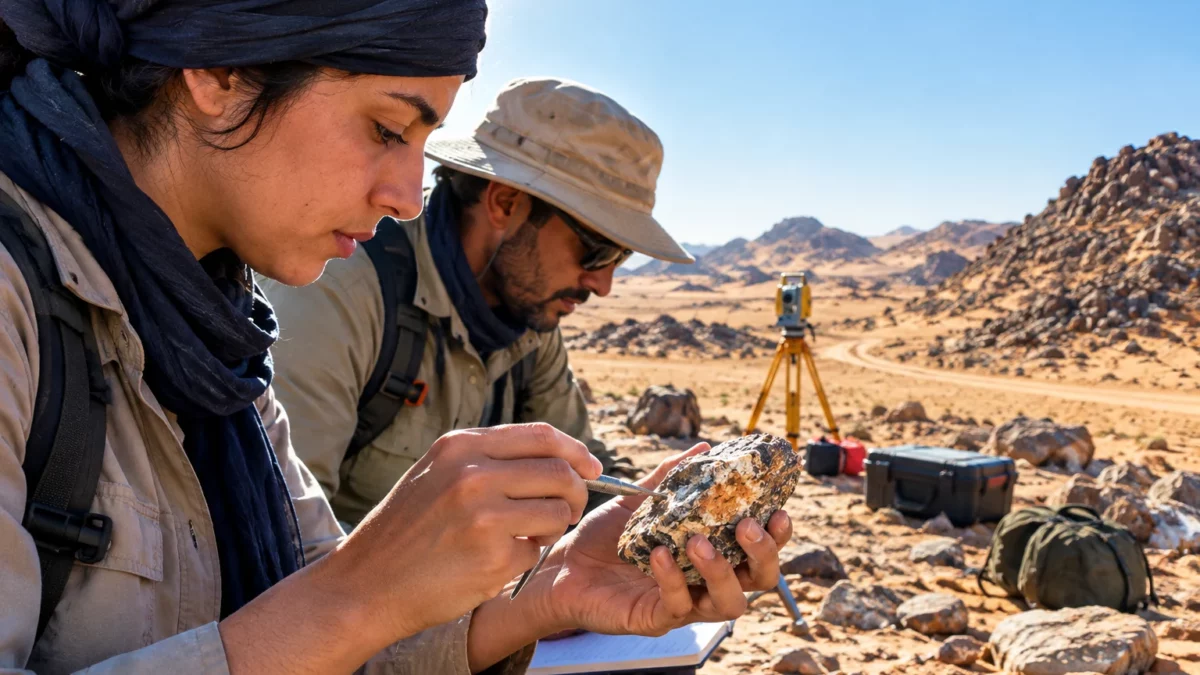
Transforming iron and phosphate into battery components would mark a new step for Algerian industry. But several stages remain between announcing a plant and establishing an industry capable of producing on a large scale: studies, supplies, equipment and markets.
Industrial ambition in a fragmented Maghreb
For several years, Algeria has sought to diversify an economy heavily dependent on hydrocarbons and to process more of its resources at home. The battery project is part of this strategy: it brings together mining, materials chemistry, industry and electricity storage.
At regional level, the country is part of the Arab Maghreb Union (AMU), which also comprises Libya, Morocco, Mauritania and Tunisia. The organisation provides a framework for cooperation, but the announced project remains, for now, an Algerian initiative. Its export prospects in neighbouring markets will therefore depend on trade agreements, product competitiveness and the ability to ensure regular deliveries. The Arab Maghreb Union and its member states
The technology under consideration is lithium iron phosphate, or LFP. This chemistry uses iron and phosphate, among other materials, to make the cathode, one of the components of a lithium-ion battery. It can be used in electric vehicles and electricity storage. However, the presence of raw materials alone is not enough to guarantee local production: their processing must also be mastered, and the other materials required must be brought together.
Project launched, but still at the study stage
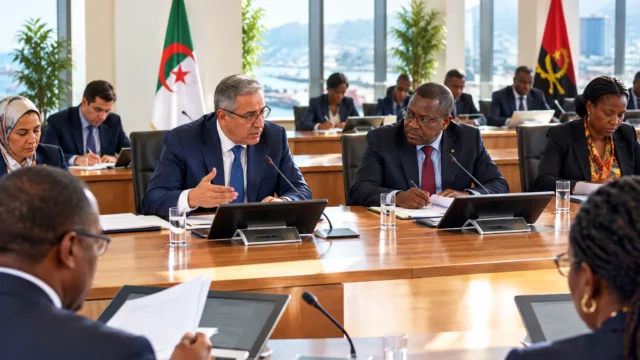
On 23 November 2026, President Abdelmadjid Tebboune chaired a working meeting in Algiers on launching a project to build a lithium battery plant. The presidency announced the appointment of Professor Karim Zaghib to lead the project. He is to study and oversee its technical and technological stages under the supervision of the Ministry of Energy and Renewable Energies, through Sonelgaz International. Algeria Press Service’s account of the meeting
Karim Zaghib, an Algerian-Canadian battery specialist, said that a capacity of 5 gigawatt-hours (GWh) was being considered. Production would serve electric vehicles and energy storage, with the domestic market as the first potential outlet and exports also envisaged. The available announcements specify neither a construction timetable, nor a cost, detailed financing or a start date for production. The announced capacity should therefore not be confused with production capacity already in place.
The project is not starting from scratch institutionally. In April 2025, the National Office for Geological and Mining Research (ORGM), part of the state-owned Sonarem group, signed a memorandum of cooperation with Karim Zaghib to develop the lithium sector and the LFP battery value chain. In November that year, the Ministry of Energy reported field studies on lithium in Tamanrasset and In Guezzam, conducted with Chinese group Ganfeng Lithium. The memorandum of cooperation announced by the ORGM The ministry’s update on exploration work
Resources available, a supply chain to build
Algeria has iron and phosphate deposits, two important resources for LFP chemistry. The Gara Djebilet iron ore deposit in the south-west and phosphates in the east of the country underpin ambitions for local processing. However, the available information does not point to a lithium mine in commercial production. Research in the south is focused on assessing geological potential: it guarantees neither the profitability of extraction nor an industrial supply in the short term.
The distinction is crucial. Even if local inputs can support part of the supply chain, battery manufacturing requires processed materials at suitable levels of purity, industrial processes, specialised skills and reliable suppliers. The project will need to specify which components will be made in Algeria and which will be imported. The cooperation with Ganfeng concerns the mining studies cited by the ministry; in itself, it does not amount to an announcement of a partnership to build or operate the plant.
The project’s political trajectory has also evolved. In July 2023, during a visit by Tebboune to China, Beijing expressed interest in establishing a large battery plant in Algeria. The decision announced in 2026 now emphasises leadership entrusted to an expert and the role of Sonelgaz International. No foreign industrial partnership for the plant was specified in the information published after the meeting.
Storage matters as much as electric cars
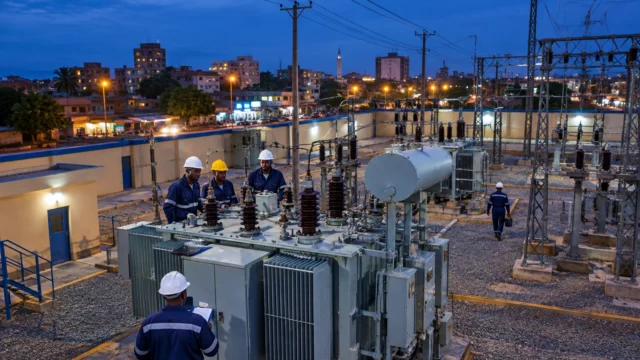
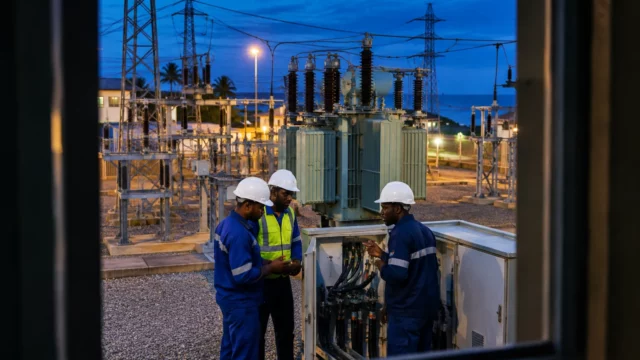
Batteries are not only used in transport. They can also store electricity and help balance a grid, particularly when solar or wind power output varies. Algeria therefore has reason to assess the project in terms of both electric mobility and the needs of its national energy system. The scale of these markets will, however, depend on projects actually being rolled out, infrastructure and the cost of storage solutions.
The potential benefits would not be distributed evenly. A plant would directly concentrate jobs and economic activity in the area where it is located, while benefits for mining regions would depend on supply contracts, infrastructure and the amount of processing carried out locally. For households and businesses, the impact on battery prices or availability cannot be established before costs and actual production volumes are known.
For Algerians, the question will be whether the project creates a lasting industrial activity beyond mineral extraction and assembly. For the African Union, it feeds into a broader question: what share of the value of the continent’s resources can be processed locally and then traded between African countries? The timetable, financing, lithium supplies and initial commercial contracts will show whether the announcement becomes effective industrial capacity.