Algeria
 Egypt
 Libya
 Morocco
 Sudan
 Tunisia
 Benin
 Burkina Faso
 Cabo Verde
 Côte d'Ivoire
 Ghana
 Guinea
 Guinea-Bissau
 Liberia
 Mali
 Mauritania
 Niger
 Nigeria
 Senegal
 Sierra Leone
 The Gambia
 Togo
 Cameroon
 Central African Republic
 Chad
 Equatorial Guinea
 Gabon
 Republic of the Congo
 São Tomé and Príncipe
 Burundi
 Comoros
 Djibouti
 Eritrea
 Ethiopia
 Kenya
 Madagascar
 Malawi
 Mauritius
 Mozambique
 Rwanda
 Seychelles
 Somalia
 South Sudan
 Tanzania
 Uganda
 Angola
 Botswana
 Eswatini
 Lesotho
 Namibia
 South Africa
 Zambia
 Zimbabwe
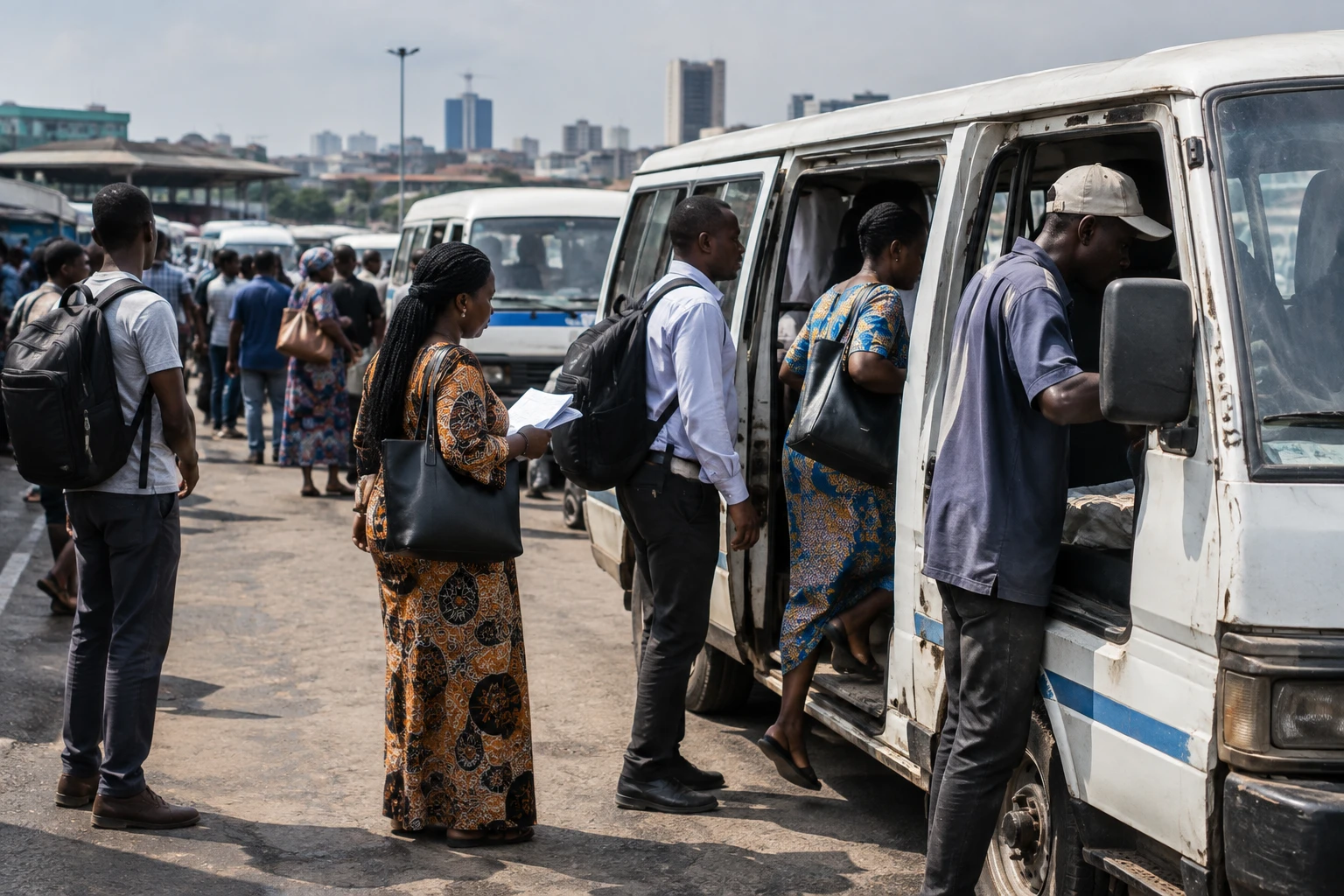
In the Democratic Republic of the Congo, calls for national dialogue are not just about bringing leaders together. The question is also who can take part, under what conditions and with what guarantees that constitutional deadlines will be respected.
Mediation proposal amid two crises
The war in the east of the country and tensions over political succession are now feeding off each other. In Kinshasa, the government says national security rules out certain contacts. In the opposition, several leaders fear the crisis could be used to delay the elections scheduled for 2028.
The situation extends beyond Congo’s borders. North Kivu, where Goma is located, is at the heart of a conflict involving armed actors and weighing on relations in the Great Lakes region. The Southern African Development Community (SADC) and the East African Community (EAC), two regional organisations of which the DRC is a member, have both been involved in diplomatic efforts surrounding the conflict. Peace initiatives therefore remain tied to national and regional balances.
The debate also comes after the announcement on 12 October of the creation in Goma of the Front for the Refoundation of the Nation (FRN), a politico-military coalition linked to Joseph Kabila and including armed groups, among them M23, according to the Associated Press news agency. This development makes any political meeting in a city located in a conflict zone particularly sensitive.
C64 seeks to bring Tshisekedi and Kabila together
Meeting in Rome at the end of October, five leaders of the Article 64 Coalition — Martin Fayulu, Delly Sesanga, Matata Ponyo Mapon, Moïse Katumbi and Jean-Marc Kabund — proposed separate meetings with President Félix Tshisekedi in Kinshasa and his predecessor Joseph Kabila in Goma. The coalition says it wants to create the conditions for a national dialogue and find a political way out of the crisis. However, it has announced neither a confirmed timetable nor prior agreement from either man.
The proposal quickly prompted a government response. On 5 November, Deputy Prime Minister and Interior Minister Jacquemain Shabani warned that C64 members could face prosecution if they met Kabila in Goma without authorisation. He cited Article 192 of the Penal Code, which concerns contact with an enemy power in wartime. Congolese media have reported the threat; it is the minister’s position, not a judicial ruling already handed down.
The government considers the former president to be linked to armed forces opposed to Kinshasa and rejects the inclusion in political dialogue of actors it describes as rebels. The C64, for its part, advocates separate consultations and says it applies the same constitutional requirement to the authorities and armed movements. These approaches do not resolve the central question: can a political actor be consulted without legitimising an armed coalition with which he is associated?
The dialogue format, a question of legitimacy
A dialogue cannot produce a lasting agreement if one side alone decides who takes part, the agenda and the conclusions. But including all the protagonists without distinguishing political and military responsibilities also carries a risk: turning armed force into a route to access national negotiations.
The C64 is calling for the forum’s rules to be agreed in advance. It proposes mediation by the National Episcopal Conference of Congo (CENCO) and the Church of Christ in Congo (ECC), as well as a regional role for Angola and Togo. It also wants security issues, civilian protection and humanitarian access to be addressed. These remain proposals from the coalition; they do not mean that a process has been accepted by the government or other actors.
The consequences of a deadlock would not be the same everywhere. In Kinshasa, the confrontation is playing out in institutions, political parties and the public sphere. In the east, people are living with insecurity and displacement, while fighting is complicating the state’s presence and the holding of electoral activities. For citizens, the issue is therefore not just the reconciliation of leaders: it also concerns political representation and the ability to vote safely.
Recent history fuels distrust. After Tshisekedi’s election in 2019, his camp and Kabila’s governed in a coalition, before their split in 2021 and the reshaping of the parliamentary majority. This experience is a reminder that an agreement at the top can be temporary. It guarantees neither de-escalation in the provinces nor credible electoral competition.
2028, the deadline weighing on talks
The electoral timetable gives the urgency a concrete measure. In its calendar published in 2025, the Independent National Electoral Commission (CENI) plans to hold presidential, national parliamentary and provincial elections in December 2028. However, the citizen observer mission SYMOCEL recently reported operational and financial delays that could undermine compliance with this deadline. The CENI and the authorities will therefore need to make preparations, funding and measures enabling voters in conflict-affected areas to participate visible.
The constitutional question is also at the centre of the debate. The C64 opposes any amendment that could open the way to a third term or a postponement of the election. These concerns are political; they do not prove that such a decision has been taken. They nevertheless show why the format and guarantees of any dialogue are as important as holding it.
At regional level, Angola, Togo, SADC and the EAC can contribute to mediation, but no external framework can replace a Congolese agreement accepted by the parties and understood by the population. The next steps to watch are clear: a response from Tshisekedi and Kabila to the C64 proposal, clarification of the legal status of the consultations planned in Goma, and the publication of verifiable progress on the electoral timetable. Without these guarantees, the word “dialogue” risks remaining a source of rivalry rather than a way out of the crisis.
The C64 proposal and the responses it has prompted were reported by Reporter.cd, Cable.cd and Deutsche Welle. The creation of the FRN was also reported by Associated Press.