Algeria
 Egypt
 Libya
 Morocco
 Sudan
 Tunisia
 Benin
 Burkina Faso
 Cabo Verde
 Côte d'Ivoire
 Ghana
 Guinea
 Guinea-Bissau
 Liberia
 Mali
 Mauritania
 Niger
 Nigeria
 Senegal
 Sierra Leone
 The Gambia
 Togo
 Cameroon
 Chad
 DR Congo
 Equatorial Guinea
 Gabon
 Republic of the Congo
 São Tomé and Príncipe
 Burundi
 Comoros
 Djibouti
 Eritrea
 Ethiopia
 Kenya
 Madagascar
 Malawi
 Mauritius
 Mozambique
 Rwanda
 Seychelles
 Somalia
 South Sudan
 Tanzania
 Uganda
 Angola
 Botswana
 Eswatini
 Lesotho
 Namibia
 South Africa
 Zambia
 Zimbabwe
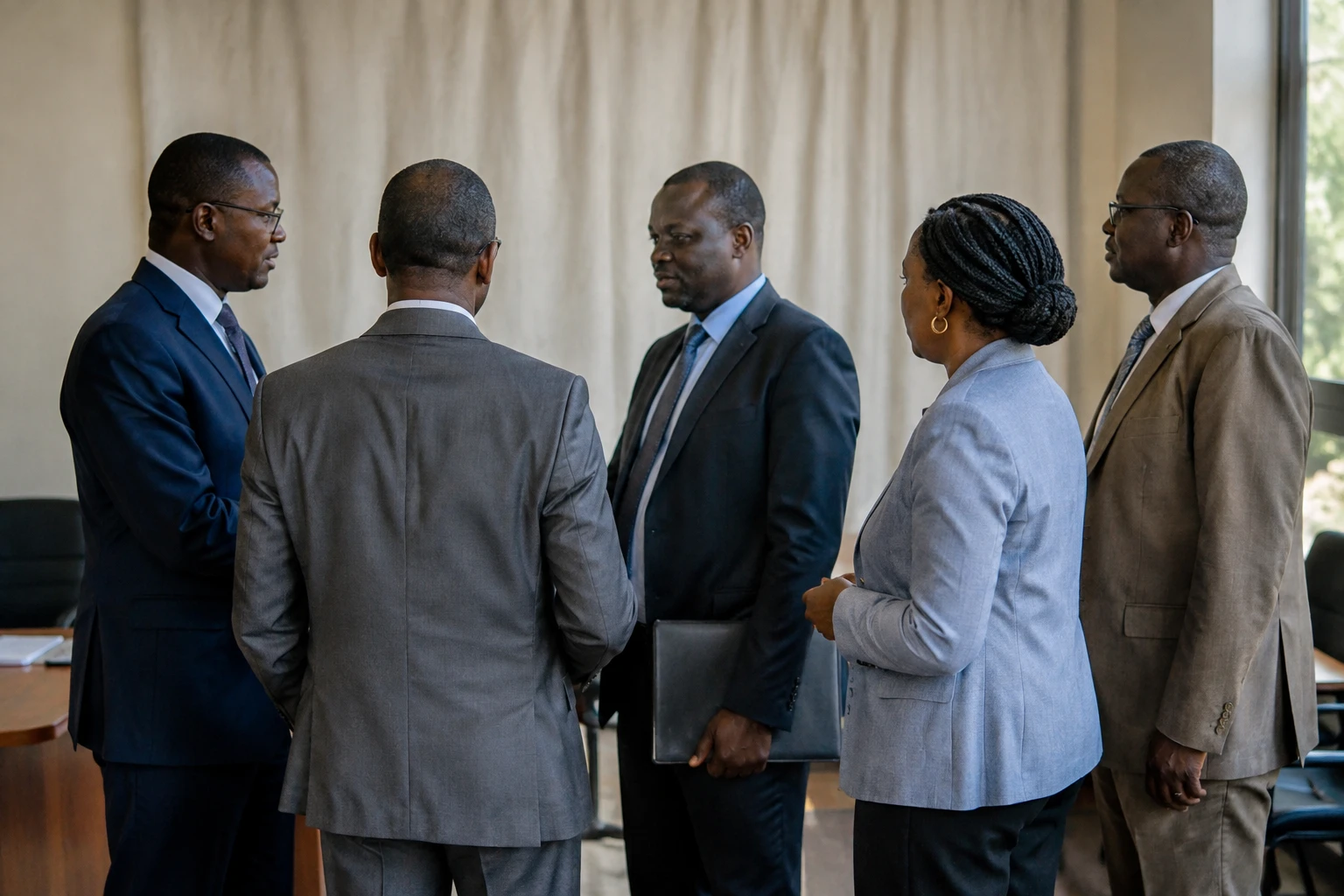
Returning after years in exile is about more than crossing a border. For Central African refugees living in southern Chad, return also depends on security, available services and the possibility of rebuilding a life in their home communities.
Exile that has lasted for years
Chad and the Central African Republic share a border and longstanding human ties. But successive crises in the Central African Republic have also driven families to seek refuge in southern Chad. Arrivals increased from the early 2000s, and again during the violence of 2013 and 2014.
Many of these refugees live in four provinces in southern Chad. Around Goré, in Logone Oriental, some reception sites have existed for nearly 20 years. This long-term displacement is changing needs: emergency aid remains necessary, but access to livelihoods, education and prospects for young people is becoming just as important.
In this context, voluntary repatriation is one of the solutions being considered by the Chadian and Central African authorities, with support from the United Nations High Commissioner for Refugees (UNHCR). It does not mean that all displaced people want to return, or that conditions are in place everywhere.
A framework for organising returns
On 4 November 2020, the governments of Chad and the Central African Republic, together with UNHCR, agreed practical arrangements for organising the return of refugees who wished to go home. Information made public at the time put the number of Central African refugees in Chad at about 147,000. UNHCR estimated that nearly 61,000 people had expressed a wish to return.
These figures describe intentions, not the number of people who have already left. The distinction matters: a decision to return can change depending on security, family circumstances or reception conditions. The authorities and UNHCR therefore planned to start in Logone Oriental, rather than launch convoys simultaneously from all the provinces concerned.
The announced plan was to proceed in stages. Before departure, those wishing to return were to undergo a medical examination. Livestock was also to be vaccinated about a week before the journey. Convoys of about 200 people were to travel to a transit centre in the Central African Republic, before continuing to their home communities, particularly around Paoua and Markounda.
The World Food Programme was to provide returnees with three months’ worth of food, in addition to repatriation assistance. These measures aim to ease immediate difficulties after arrival. However, they are not enough on their own to ensure lasting reintegration if families cannot access healthcare, water, schools or incomes.
The choice to stay matters too
Return is not the only option. Some refugees have started families in Chad, work there or wish to continue their lives there. For them, the shift from humanitarian assistance to agricultural and integration projects in Chadian villages was intended to support a different kind of stability.
This approach also concerns host communities. In rural areas of the south, access to land, services and economic opportunities can affect relations between residents and newcomers. Projects that involve both refugees and Chadian communities can limit tensions, provided resources and benefits are not reserved for just one group.
Both paths — returning to the Central African Republic and integrating in Chad — must therefore be based on a free and informed choice. Refugee status should not lead to a hurried departure. Likewise, one-off return assistance cannot replace adequate security conditions in destination areas.
A shared responsibility in Central Africa
The issue extends beyond relations between N’Djamena and Bangui. Chad and the Central African Republic belong to the Economic and Monetary Community of Central Africa (CEMAC), a regional economic co-operation bloc. Forced displacement there is a reminder that crises and their consequences cross borders, while solutions require co-ordination between neighbouring countries.
Previous organised returns from other countries in the region also show that an agreement and convoys do not automatically resolve the challenges of reintegration. The resumption of returns of Central African refugees from the Democratic Republic of the Congo, which began in 2019 before being interrupted in 2020 during the pandemic-related border closures, was later suspended again amid the violence surrounding the Central African elections in December 2020. This experience highlights how fragile any operation can be when security or cross-border movements deteriorate.
For refugees in Logone Oriental, the practical issue is being able to decide without pressure and to find conditions in the Central African Republic that allow them to rebuild their daily lives. For families who remain in Chad, the challenge is to ensure that support does not disappear before they can access livelihoods. The implementation of returns, their voluntary nature and the capacity of host communities to receive families remain decisive factors.