Algeria
 Egypt
 Libya
 Morocco
 Sudan
 Tunisia
 Benin
 Burkina Faso
 Cabo Verde
 Côte d'Ivoire
 Ghana
 Guinea
 Guinea-Bissau
 Liberia
 Mali
 Mauritania
 Niger
 Nigeria
 Senegal
 Sierra Leone
 The Gambia
 Togo
 Cameroon
 Central African Republic
 Chad
 DR Congo
 Equatorial Guinea
 Gabon
 Republic of the Congo
 São Tomé and Príncipe
 Burundi
 Comoros
 Djibouti
 Eritrea
 Ethiopia
 Kenya
 Madagascar
 Malawi
 Mauritius
 Mozambique
 Rwanda
 Seychelles
 Somalia
 South Sudan
 Tanzania
 Angola
 Botswana
 Eswatini
 Lesotho
 Namibia
 South Africa
 Zambia
 Zimbabwe
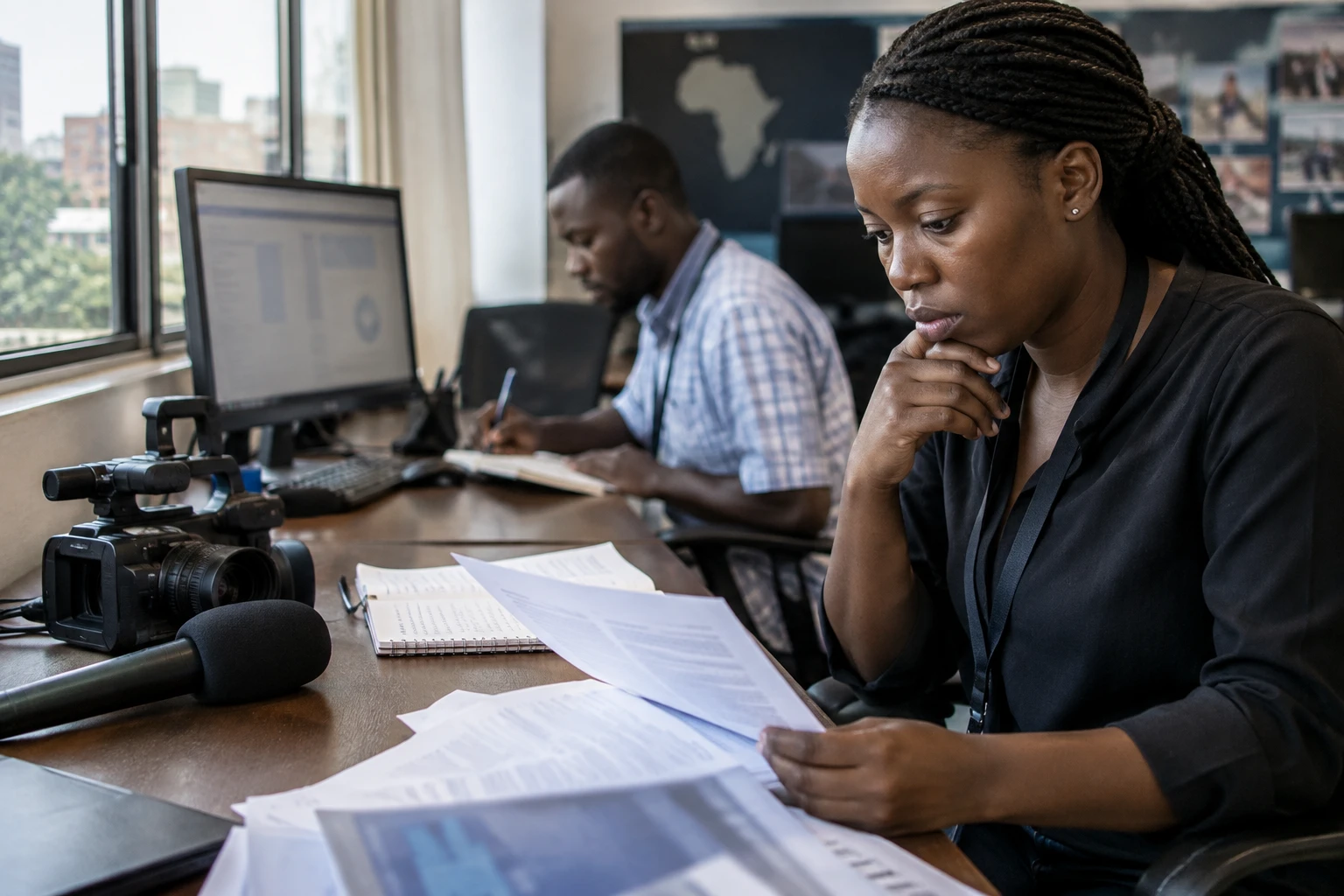
Protecting children online means knowing which devices they use. But in Uganda, mandatory registration of their SIM cards also raises a fundamental question: how can their safety be improved without turning data collection into an additional risk to their privacy?
A proposal, not yet a requirement
On 5 November 2026, Nyombi Thembo, executive director of the Uganda Communications Commission (UCC), raised the possibility of requiring parents to register the SIM card numbers used by their children. He was speaking at the launch of the Testbed Hackathon in Kampala. According to his explanation, this would allow operators to identify devices used by minors and apply targeted protections.
At this stage, this is a regulatory proposal announced by the regulator, not a rule that has already come into force. Publicly available information does not yet specify what data would be retained, who could access it, how long it would be stored, or how families could challenge an error. These safeguards will be crucial: a system designed to protect minors should not put their data or that of their relatives at risk.
The proposal is part of a wider debate on digital safety in Uganda. On 15 October, the UCC brought together government bodies, operators, schools and civil society organisations. Discussions covered filtering harmful content, parental controls, tackling unwanted messages and online safety education. Participants also discussed strengthening Sauti, the helpline for children.
Known risks, few reports
The regulator also launched a national awareness campaign at a school in Kampala on 7 October. It aims to help pupils identify risks, protect their personal information and report abuse. A survey of more than 5,700 pupils at Kololo Secondary School gives an indication of the scale of the issue, although it cannot by itself represent all children in the country.
According to results presented by the UCC, 88.5% of the pupils surveyed had encountered at least one online risk, including cyberbullying, hate speech or disinformation. In addition, 70.1% had seen sexually explicit messages, images or videos. Among those who had experienced a harmful situation, 74.2% said they had told no one, not even their parents. Ugandan media reported the same figures after they were presented by the Commission.
These figures describe the experiences of pupils at one school in the capital. They should not be mistaken for a national survey. Online habits and protective resources vary according to age, place of residence, access to devices and families’ ability to support children. Urban households may have more regular access to digital tools; in less well-served areas, access to information and reporting services may be more difficult.
A review of Uganda by the United Nations Committee on the Rights of the Child in September 2026 also addressed protection measures. The Ugandan delegation referred to an action plan to combat the sexual exploitation and abuse of children, as well as a telephone helpline that had received 2,300 calls. This figure concerns calls received by the helpline; on its own, it is not a count of online abuse. The Committee asked the authorities, among other things, about implementation and the resources allocated to protection services.
Protecting without excluding or blindly monitoring
Registering SIM cards could help operators offer settings tailored to minors. But its effectiveness will depend on concrete rules: informed consent from families, data security, restricted access to records, independent oversight and an appeals process. Without these safeguards, a centralised database could be used beyond its original purpose or penalise families who cannot easily register every device.
Protection does not rest solely with operators. Parents and teachers need accessible guidance, while children must be able to report a problem without fearing punishment or automatic loss of internet access. The silence highlighted in the Kampala survey underlines the importance of support services able to respond quickly, with trained professionals and adequate resources.
This approach must also take account of the role of the internet in learning and communication. An overly broad measure could restrict young people’s access to useful resources, particularly where digital tools complement school provision. The challenge for the Ugandan authorities is therefore to focus the response on risks and service practices, rather than treating children’s access to digital technology as a problem in itself.
An issue that extends beyond Uganda’s borders
Uganda is a member of the East African Community (EAC), which brings together several countries in the region for economic and political co-operation. Digital services and platforms do not stop at national borders. The Ugandan authorities will therefore need to align their rules with regional exchanges, while retaining responsibility for protecting children in their territory.
The next steps to watch are the possible publication of a text setting out SIM registration requirements, the technical protections promised by operators and the resources allocated to support for children. The central question will not simply be how many numbers parents must register. It will also be necessary to establish who protects the data collected, how children can get help and whether the announced measures actually reduce abuse.