Algeria
 Egypt
 Libya
 Morocco
 Sudan
 Tunisia
 Benin
 Burkina Faso
 Cabo Verde
 Côte d'Ivoire
 Ghana
 Guinea
 Guinea-Bissau
 Liberia
 Mali
 Mauritania
 Niger
 Nigeria
 Senegal
 Sierra Leone
 The Gambia
 Togo
 Cameroon
 Central African Republic
 Chad
 Equatorial Guinea
 Gabon
 Republic of the Congo
 São Tomé and Príncipe
 Burundi
 Comoros
 Djibouti
 Eritrea
 Ethiopia
 Kenya
 Madagascar
 Malawi
 Mauritius
 Mozambique
 Rwanda
 Seychelles
 Somalia
 South Sudan
 Tanzania
 Uganda
 Angola
 Botswana
 Eswatini
 Lesotho
 Namibia
 South Africa
 Zambia
 Zimbabwe
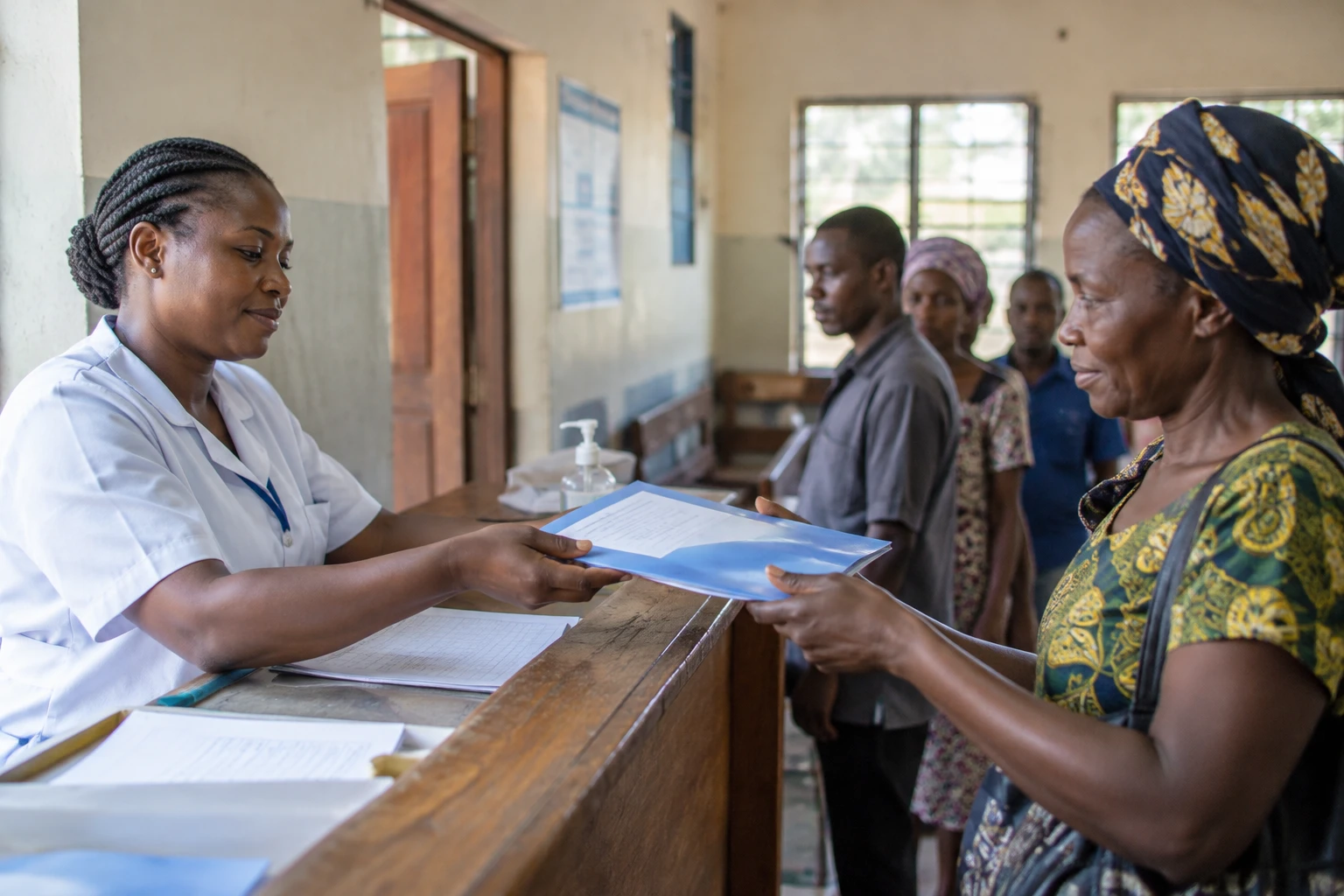
In Mongbwalu, the discharge of the last Ebola patients to recover brings visible relief to families and health workers. But the temporary closure of a centre to new admissions does not mean transmission has ended: in the Democratic Republic of the Congo (DR Congo), the epidemic continues to evolve across several provinces and beyond the country’s borders.
Local respite amid an epidemic that remains active
Mongbwalu is in Djugu territory, Ituri, in the north-east of the country. The town is about 85 kilometres from Bunia, the provincial capital. Médecins Sans Frontières (MSF) Ebola treatment centre there has received patients from several neighbouring health zones.
On 14 September, the Congolese Press Agency (ACP), citing the MSF coordinator in Mongbwalu, reported that admissions to the centre remained below their peak. The trend appeared to be falling or stable, but positive cases persisted. Since opening, the centre had treated about a thousand people, several of whom tested negative. The Congolese agency also reported late arrivals and deaths in the community.
The celebration of recovered patients should therefore be understood as a local milestone, not an announcement that the epidemic is over. As of 27 October, data from the US Centers for Disease Control and Prevention recorded 10,193 confirmed cases and 4,960 confirmed deaths in DR Congo. The same tally included cases linked to the epidemic in Kenya, Nigeria, Uganda and France. These figures change as investigations proceed and health authorities update their data.
A different strain means the response must adapt
The outbreak is caused by the Bundibugyo virus, a strain distinct from the one responsible for several previous epidemics in the Congo. This distinction matters: vaccines and treatments authorised for other strains are not approved against Bundibugyo. MSF says there is currently no vaccine or specific treatment approved for this virus.
Under these circumstances, the response relies in particular on rapidly identifying people who are ill, caring for them, tracing their contacts and preventing infections in health facilities. Isolating cases aims to break chains of transmission. It does not, however, replace routine care or dialogue with communities.
In Mongbwalu, the difficulties are tangible. The MSF coordinator noted that some patients arrive late, sometimes when their condition is already serious. Deaths outside healthcare facilities are also difficult to track. Without rapid identification, teams may miss contacts and underestimate the spread of the virus.
Security and trust also affect operations. In a region where insecurity makes travel difficult, medical teams cannot always reach affected communities easily. And when people doubt health messages or fear the consequences of being transferred, alerts may be delayed. Distrust is not simply a matter of individual refusal: it may also reflect past experiences, unequal access to healthcare and the difficulty of reconciling health measures with mourning practices.
Different effects across communities
For families in Mongbwalu, recovery means the return of a loved one, but also the end of a period of isolation and uncertainty. For health workers, a successful discharge from the centre demonstrates the value of care, even in the absence of an approved specific treatment. It may encourage other people who are ill to seek care early.
By contrast, villages far from health centres face greater obstacles: distance, difficult roads, a lack of reliable information or delays in collecting samples. The effects extend beyond patients. Markets, travel and local economic activity can be disrupted by fear of infection or by monitoring measures. People who rely on small businesses or informal work often have less room to absorb these interruptions.
The national situation remains fluid. Confirmed cases have been reported in several provinces, including Ituri, North Kivu, South Kivu, Haut-Uele, Bas-Uele, Tshopo and Sud-Ubangi. The gap between improvement at one centre and the emergence of cases elsewhere makes local assessments essential, but insufficient to conclude that the epidemic is retreating overall.
Regional coordination remains crucial
Cross-border movement links eastern DR Congo with neighbouring countries. Uganda, which shares important travel routes with DR Congo, also reported cases linked to this outbreak before indicating that it had no active cases. Kenya and Nigeria have also recorded cases. These situations are a reminder that an effective response depends on the rapid sharing of alerts, contact tracing and diagnostic capacity in each country.
For DR Congo, the challenge goes beyond organising treatment centres. It concerns the ability of national and provincial authorities to maintain surveillance in remote areas, protect health workers and explain measures with the help of local networks. Community teams, health officials and residents all have a practical role in early detection.
The joy seen in Mongbwalu marks an important human milestone. It does not bring the public health crisis to a close. The next indicators to watch are the detection of new cases in neighbouring areas, the time between the first symptoms and treatment, and the course of cases in affected countries. As long as transmission continues elsewhere, a lull at one centre remains a respite to build on, not a general victory.