Algeria
 Egypt
 Libya
 Morocco
 Sudan
 Tunisia
 Benin
 Burkina Faso
 Cabo Verde
 Côte d'Ivoire
 Guinea
 Guinea-Bissau
 Liberia
 Mali
 Mauritania
 Niger
 Nigeria
 Senegal
 Sierra Leone
 The Gambia
 Togo
 Cameroon
 Central African Republic
 Chad
 DR Congo
 Equatorial Guinea
 Gabon
 Republic of the Congo
 São Tomé and Príncipe
 Burundi
 Comoros
 Djibouti
 Eritrea
 Ethiopia
 Kenya
 Madagascar
 Malawi
 Mauritius
 Mozambique
 Rwanda
 Seychelles
 Somalia
 South Sudan
 Tanzania
 Uganda
 Angola
 Botswana
 Eswatini
 Lesotho
 Namibia
 South Africa
 Zambia
 Zimbabwe
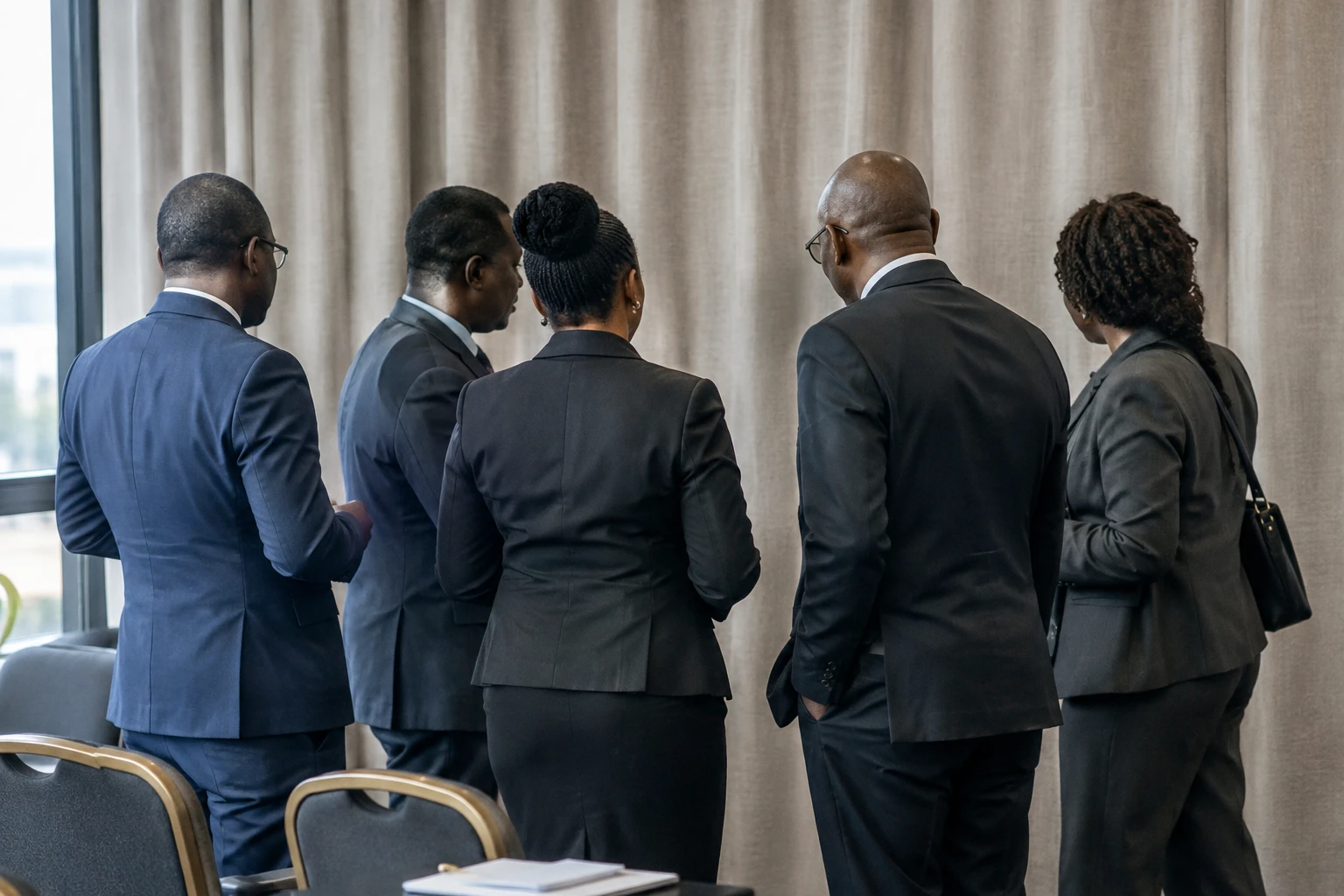
For Accra, closer ties with the BRICS could open up new areas of cooperation. But securing the backing announced by Moscow is not enough to join the group: the decision rests with all its members and requires a shared agreement.
A bid distinct from membership
Ghana is seeking to diversify its international partnerships and strengthen its economic ties with countries in the Global South. The government has begun a process to obtain BRICS partner-country status, a category distinct from full membership.
The distinction matters. Partner countries can take part in some of the group’s activities, but do not have the same status as its members. Under the procedure set out by the BRICS, decisions on expansion are based on consensus. A favourable statement by one country therefore does not amount to collective acceptance.
Ghana is also a member of ECOWAS, the Economic Community of West African States. Closer ties with the BRICS would add to this regional engagement, not replace it. The two frameworks serve different aims: West African integration on the one hand, and cooperation among emerging economies and developing countries on the other.
What Accra says about Russian support
On 28 October 2026, Ghana’s foreign minister, Samuel Okudzeto Ablakwa, said his Russian counterpart, Sergey Lavrov, supported Ghana’s bid for BRICS partner status. According to the statement, made after a meeting with African ministers, Moscow also intended to help win over the other founding members.
The announcement is attributed to Ghana’s top diplomat. The information reviewed was not accompanied by a separate public confirmation from Russia’s foreign ministry. It should therefore be presented as the position reported by Accra, not as an official BRICS decision or a collective commitment already secured.
The Ghanaian government had expressed interest in the group at the beginning of October. The official visit to Accra by India’s foreign minister, Subrahmanyam Jaishankar, also prompted discussions about the bid. India, a founding member, welcomed Ghana’s interest while noting that the application had to be considered by the other members.
A diversification strategy, not an economic guarantee
Ghanaian officials say the aim is to expand the country’s pool of partners, widen economic opportunities and strengthen cooperation with countries in the Global South. This approach could provide more channels for dialogue and diplomatic opportunities. It does not, however, guarantee immediate investment, new markets or direct benefits for households.
The impact would depend on concrete agreements on trade, financing, skills transfers or industrial cooperation. Exporting businesses could be affected if new trade develops. Small businesses and workers in the informal economy, by contrast, would not automatically benefit from diplomatic overtures. Mechanisms would be needed to link agreements to local businesses and jobs.
For the authorities, the bid could also strengthen Ghana’s room for manoeuvre abroad. But diversifying relations means managing interests that sometimes diverge among partners. Seeking Russian support, for example, does not mean the country is abandoning its relations with India, China, Brazil, South Africa or its Western partners.
The recent history of expansion is also a reason for caution. The BRICS have admitted new members and created a category for partner countries. Nigeria is among the African countries accepted into this latter category. For Ghana, this route is therefore a distinct goal from full membership, and the outcome remains subject to confirmation by the group.
A development to watch in West Africa
At regional level, Ghana’s bid shows how an ECOWAS country can seek partnerships beyond West Africa while remaining engaged in its regional bloc. It could strengthen ties between Accra and several African economies already in the BRICS or associated with its work. On its own, however, it does not change ECOWAS priorities.
The next step will be to see whether Accra formalises its application and whether BRICS members make a collective decision. Diplomatic announcements will also need to be distinguished from economic agreements that are actually negotiated. For Ghana, the outcome will be measured less by statements of support than by viable partnerships and their ability to deliver benefits beyond government-to-government relations.