Algeria
 Egypt
 Libya
 Morocco
 Sudan
 Tunisia
 Benin
 Burkina Faso
 Cabo Verde
 Côte d'Ivoire
 Ghana
 Guinea-Bissau
 Liberia
 Mali
 Mauritania
 Niger
 Nigeria
 Senegal
 Sierra Leone
 The Gambia
 Togo
 Cameroon
 Central African Republic
 Chad
 DR Congo
 Equatorial Guinea
 Gabon
 Republic of the Congo
 São Tomé and Príncipe
 Burundi
 Comoros
 Djibouti
 Eritrea
 Ethiopia
 Kenya
 Madagascar
 Malawi
 Mauritius
 Mozambique
 Rwanda
 Seychelles
 Somalia
 South Sudan
 Tanzania
 Uganda
 Angola
 Botswana
 Eswatini
 Lesotho
 Namibia
 South Africa
 Zambia
 Zimbabwe
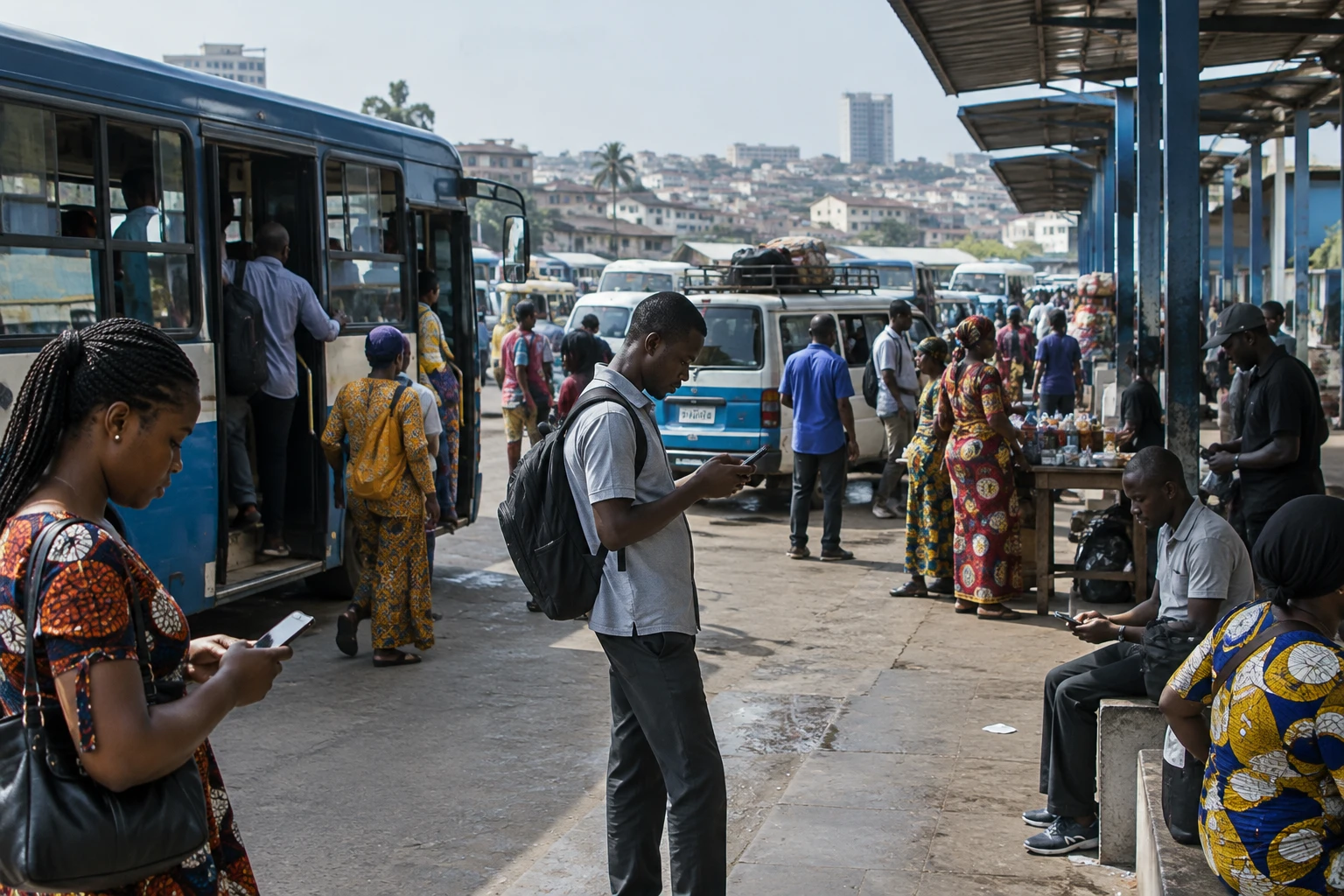
Owning a telecoms operator does not guarantee it a place on subscribers’ phones. In Guinea, the state now owns all of Areeba, but the company is losing ground to Orange in telephony, mobile internet and mobile money.
A state-owned operator in need of a turnaround
President Mamadi Doumbouya has appointed Mamy Diaby as chief executive of Areeba Guinea and Mohamed Diallo as deputy chief executive. The decree was made public on 26 October 2026, according to several Guinean media outlets. The new team takes charge of a company that must both restore its finances and win back customers.
The appointment follows a gradual takeover by the state. On 30 December 2024, the authorities bought the 75% stake held by South African group MTN. Then, on 11 December 2025, a decree formalised the state’s full ownership of the company. The Ministry of Economy and Finance says a review carried out by consultancy EY had revealed a near-insolvent position.
In July 2025, shareholders approved a so-called “accordion” operation: a capital reduction to absorb losses, followed by an increase through the conversion of state claims. Discussions with public creditors, including the tax authority and the Postal and Telecommunications Regulatory Authority (ARPT), also aim to reduce liabilities. The ministry says repayment could be considered if the financial situation improves.
This restructuring is an accounting step, not a commercial turnaround in itself. Areeba must also fund its network, improve service quality and extend coverage, particularly 4G. These investments will weigh on the resources of a company the ministry describes as financially fragile.
Market gaps are widening
The latest figures published by the ARPT show the scale of the challenge. In the second quarter of 2026, Orange held 85.4% of the mobile subscriber base, compared with 13.4% for Areeba and 1.2% for Cellcom. The national subscriber base then stood at 13.2 million. The ARPT’s observatory, the Guinean sector regulator, also publishes separate indicators for calls, mobile internet and digital payments.
The decline is even sharper in mobile internet: Areeba’s share of subscribers fell from 20.4% at the end of 2024 to 8.5% in June 2026, while Orange’s reached 90.9%. In mobile money, Areeba’s share of the market fell from 11% to 6% over the same period. Orange’s rose from 89% to 94%.
Revenue figures provided for the second quarter of 2026 also underline the contrast: Areeba is said to have recorded 101 billion Guinean francs, compared with 208 billion a year earlier, a fall of 51.4%. Orange is said to have reached 2,573 billion Guinean francs, up 23.4% year on year. These amounts are reported in the material available; the ARPT’s public page confirms the publication of an observatory for the quarter, but does not make the detailed tables consulted here directly visible.
Market shares do not tell the whole story of users’ experience. They do, however, show that the issue is not simply about preserving a state-owned company or its jobs. For subscribers, coverage, network reliability, the price of bundles and the availability of mobile financial services are tangible criteria. The gaps between the capital, Conakry, and less densely served areas can also make network investment particularly decisive.
The state’s responsibilities as shareholder
Areeba’s takeover puts the state in a dual position: sole shareholder and public authority responsible for ensuring a competitive sector. The ARPT retains a central role in regulation and the publication of data. Separating the company’s management from market oversight will be essential to maintaining the confidence of customers, creditors and other operators.
ECOWAS, the economic community bringing together West African countries, provides the framework for regional co-operation. But the immediate challenge is in Guinea: to turn public control into reliable service without allowing losses to weigh on public finances over the long term. Mamy Diaby’s appointment opens a new phase of management; it does not, on its own, guarantee Areeba’s return to the race.
The ARPT’s next indicators will show whether the operator stabilises its subscriber base, revenue and digital services. Announced investments, implementation of agreements with creditors and the new management team’s results will also need to be monitored. The authorities must now show that public ownership can go hand in hand with visible improvements for subscribers.