Algeria
 Egypt
 Libya
 Morocco
 Sudan
 Tunisia
 Benin
 Burkina Faso
 Cabo Verde
 Côte d'Ivoire
 Guinea
 Guinea-Bissau
 Liberia
 Mali
 Mauritania
 Niger
 Nigeria
 Senegal
 Sierra Leone
 The Gambia
 Togo
 Cameroon
 Central African Republic
 Chad
 DR Congo
 Equatorial Guinea
 Gabon
 Republic of the Congo
 São Tomé and Príncipe
 Burundi
 Comoros
 Djibouti
 Eritrea
 Ethiopia
 Kenya
 Madagascar
 Malawi
 Mauritius
 Mozambique
 Rwanda
 Seychelles
 Somalia
 South Sudan
 Tanzania
 Uganda
 Angola
 Botswana
 Eswatini
 Lesotho
 Namibia
 South Africa
 Zambia
 Zimbabwe
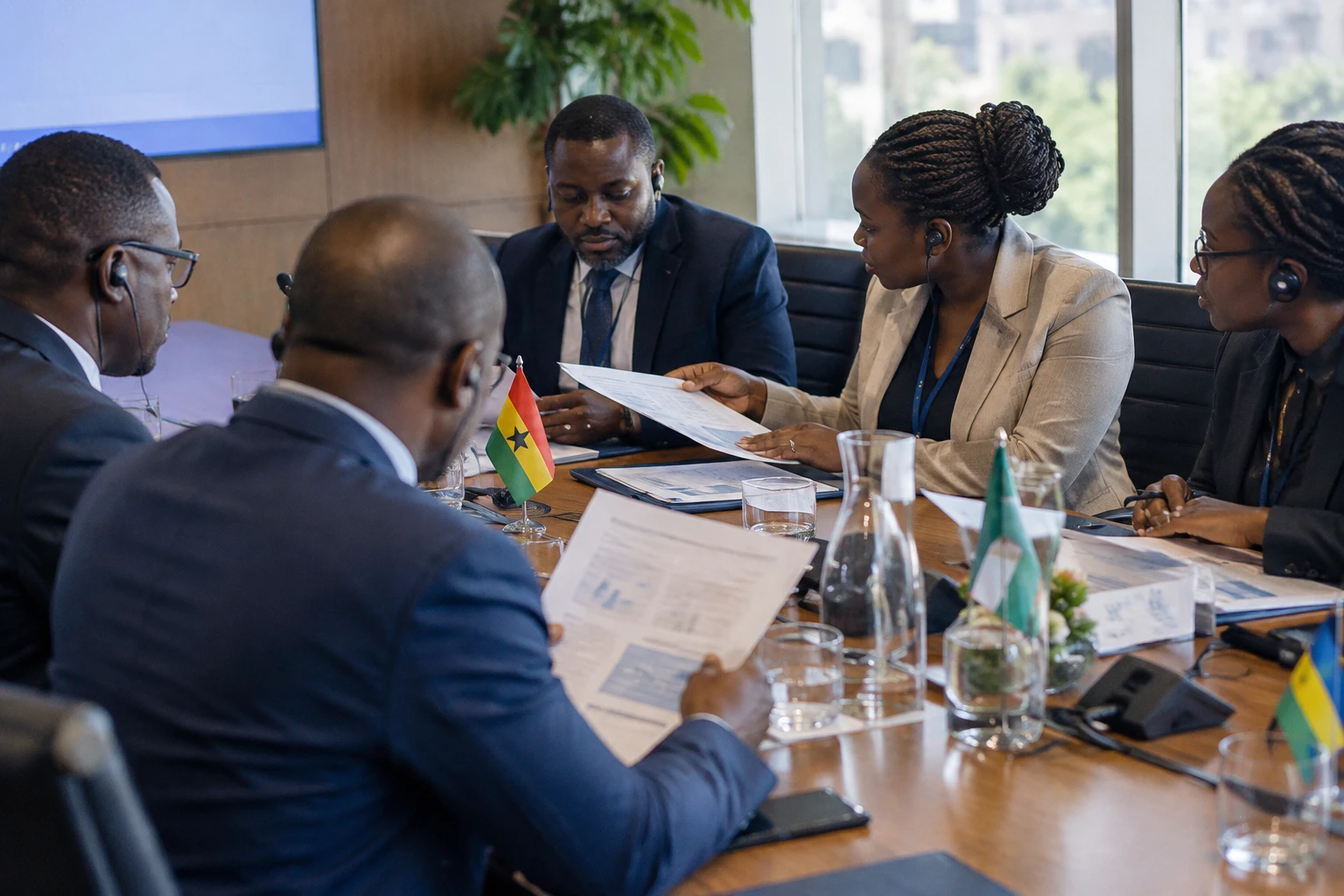
Ghana has reached a milestone in developing its first lithium project, but the entry of a new investor does not yet mean the mine is ready to produce. At Ewoyaa, in the Central Region, financing, state participation and local benefits remain central issues.
A step forward for a project still in development
On 26 October 2026, Zhejiang Huayou Cobalt completed the transfer of the rights and obligations held by Elevra Lithium in Atlantic Lithium’s Ghanaian portfolio. The transaction received approval from Ghanaian authorities. It covers, among other things, a 22.5% stake in the projects concerned, including Ewoyaa, as well as rights relating to the purchase of spodumene concentrate, an ore used to produce lithium, particularly for batteries.
The completion of the transaction and the US$71 million paid to Elevra are reported separately in the company’s announcement and by Ghanaian media outlet Graphic Online. The transfer ends Elevra’s funding obligations for the project. However, it does not, in itself, give Huayou full control of Ewoyaa.
Under the partnership terms detailed by Atlantic Lithium, Huayou is to fund up to US$66 million in development costs. In return, its stake in the Ghanaian portfolio could rise from 22.5% to 50%. Beyond that point, costs would be shared equally with Atlantic Lithium. The current stake and this conditional increase are therefore two separate steps.
Parliament ratifies the mining lease
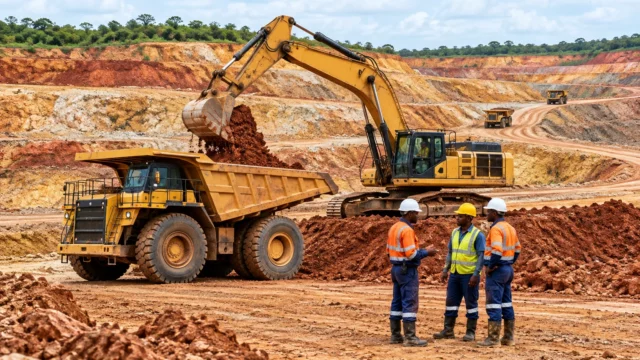
Ewoyaa is part of Ghana’s strategy to secure greater value from its mineral resources within its own borders. Ghana’s parliament ratified the project’s mining lease in March 2026, following a process that focused, among other things, on tax terms and royalties. The ratification authorises continued development, but does not mean commercial extraction has begun.
The project forecasts cumulative production of 3.6 million tonnes of spodumene concentrate over 12 years. These figures are project forecasts, not a production record. Atlantic Lithium estimates the required investment at US$185 million. The Ghanaian state is also to hold a 13% free-carried interest, according to project data published and cited by the Ghana Extractive Industries Transparency Initiative.
The regulatory process also shows that operating conditions matter as much as the arrival of capital. In late 2025, tax adjustments were incorporated into the lease before its ratification. The debate is therefore about balancing the profitability needed to finance the mine with the share of value that remains in Ghana.
Who will fund the mine, and who will benefit?
For investors, the deal clarifies part of the project’s financing and ownership. For the authorities, it opens a new phase of negotiation and oversight: financial commitments, marketing rights and obligations under the lease will need to be monitored as the project progresses.
The effects will not be the same for everyone. The state can generate tax revenues and benefit from its equity stake. Communities near the site may hope for jobs, contracts and infrastructure, but these benefits will depend on commitments actually being honoured and monitored. Small local businesses, particularly those not integrated into formal mining supply chains, will not automatically benefit from the activity.
Control over marketing is also important. The purchase rights transferred to Huayou may help secure a market for the ore. But Ghana’s challenge is not to limit its role to extraction: local processing, training and the participation of Ghanaian businesses will determine a more lasting share of the economic benefits.
A separate transaction must be distinguished from the sale completed with Elevra: Huayou is pursuing a bid for Atlantic Lithium. If successful, it would change the structure of Ewoyaa’s private ownership. As of 26 October, Huayou’s entry into Elevra’s rights is complete; the acquisition of Atlantic Lithium remains a separate process and should not be presented as completed.
A Ghanaian stake in regional competition
The issue also concerns West Africa and ECOWAS, the Economic Community of West African States, of which Ghana is a member. Countries in the region are seeking to attract investment in strategic resources while increasing local processing and value addition. Ewoyaa will be judged against these objectives, but its rules and benefits will be determined first and foremost by Ghanaian institutions.
The project is also part of a global supply chain in which lithium has become an important battery raw material. Huayou’s presence, with its existing activity in Africa’s mining sector, links Ewoyaa to international industrial players. This may facilitate financing and access to markets, but does not in itself guarantee technology transfer or processing of the ore in Ghana.
The next step will therefore be practical rather than symbolic: clarify changes in ownership, confirm construction financing and make economic and social commitments verifiable. For Ghana, Ewoyaa’s success will be measured not only by the tonnage extracted, but also by the value retained in the country and the tangible benefits for the communities concerned.
Sources consulted: Atlantic Lithium announcement on completion of the transfer ; Graphic Online report ; Elevra Lithium announcement on the sale of its interests ; Ghana Extractive Industries Transparency Initiative report ; document on the revision of the Ewoyaa mining lease.