Algeria
 Egypt
 Libya
 Morocco
 Sudan
 Tunisia
 Benin
 Burkina Faso
 Cabo Verde
 Côte d'Ivoire
 Ghana
 Guinea
 Guinea-Bissau
 Liberia
 Mali
 Mauritania
 Niger
 Nigeria
 Senegal
 Sierra Leone
 The Gambia
 Togo
 Cameroon
 Central African Republic
 Chad
 DR Congo
 Equatorial Guinea
 Gabon
 Republic of the Congo
 São Tomé and Príncipe
 Burundi
 Comoros
 Djibouti
 Eritrea
 Ethiopia
 Kenya
 Malawi
 Mauritius
 Mozambique
 Rwanda
 Seychelles
 Somalia
 South Sudan
 Tanzania
 Uganda
 Angola
 Botswana
 Eswatini
 Lesotho
 Namibia
 South Africa
 Zambia
 Zimbabwe
Free screening can open the door to a diagnosis. But in Madagascar, that door does not always lead to accessible care. For patients, the cost of medicines, hospital waiting times and social stigma can turn every step into another ordeal.
In Antananarivo, women describe care journeys in which information, psychological support and financial means matter almost as much as access to an examination. Pink October puts prevention in the spotlight. The decisive question remains: what happens after screening?
From screening to treatment, an unequal journey
Campaigns in Madagascar offer free examinations, particularly for breast and cervical cancer. Local organisations, including the Kintana medical centre run by the Akbaraly Foundation, announce free screening during October. Madagascar’s National Assembly has also promoted awareness-raising initiatives on these women’s cancers.
This mobilisation addresses a major issue. Estimates from the Global Cancer Observatory, part of the International Agency for Research on Cancer, put the number of new cases in Madagascar at around 21,300 and cancer-related deaths at 14,270 in 2022. Cervical and breast cancer are among the most common cancers in women. These national estimates describe a heavy burden, but do not by themselves show each region’s capacity to screen and treat patients.
Early screening does not guarantee prompt care. In Prisca Carine’s account, doctors initially suggested other diagnoses for nearly a year. In December 2024, as her condition worsened, she says she waited two and a half hours at a public hospital before being advised to go home. Her breast cancer had already spread to several organs, according to her testimony.
This individual account cannot measure waiting times across all facilities. It nevertheless illustrates the possible gap between a one-off screening campaign and a system able to provide diagnosis, further tests and treatment without interruption.
Costs go beyond the consultation
Anny Andrianaivonirina, a Malagasy journalist and former patient, has described the constraints of her chemotherapy: arriving at hospital as early as 5.30am, having sessions while seated on a chair and encountering few staff in the room. She says the care was free, but some medicines could cost up to 450,000 ariary per session. According to her testimony, that amount was equivalent to a salary for some families.
Her colleagues organised a concert to help fund her treatment. This solidarity provided practical support. She also highlights the difference between people who have support and information, and those who face the illness without a network or resources. Expenses are not always limited to medicines: travel to specialist centres, tests and days of lost work can also weigh on households. The burden varies according to people’s circumstances and where they live.
The contrast is stark between an announcement of free screening and the potential cost of what follows. The World Health Organization had already highlighted the importance of community-based cervical cancer screening programmes in Madagascar. But detecting an abnormality is useful only if a patient can then access the tests and care she needs. This is particularly important outside the capital, where the distance to specialist services can complicate follow-up.
Public resources also matter. For 2025, Madagascar’s budget documents allocated around 4.8% of state expenditure to the health function. This budget figure alone does not measure the resources available for oncology. It nevertheless serves as a reminder that prevention and treatment form part of broader choices involving staff, equipment, medicines and local services.
Breaking the silence and supporting patients
Cancer also has social consequences. Prisca Carine says she receives messages from women who lost their jobs after their diagnosis. She describes how women who lose their hair during chemotherapy are viewed: some feel judged and then excluded. These reported experiences do not reflect what every patient goes through, but they show how illness can weaken social ties and economic independence.
Psychologist Stacy Rakotondrazanany observes that gynaecological cancers remain associated with judgements about women’s sexuality and behaviour. This stigma can make it harder to speak out and delay consultations. Portraying these cancers as an individual failing is unfounded: screening, information and access to care must be available without humiliation or blame.
Through the Espoir Rose Madagascar association, Prisca Carine wants to complement medical care with psychological support, nutritional advice and practical workshops. These initiatives do not replace oncologists or hospital services. They do, however, address often neglected needs: understanding treatments, maintaining self-esteem and not being left alone after receiving the news.
A public health issue beyond October
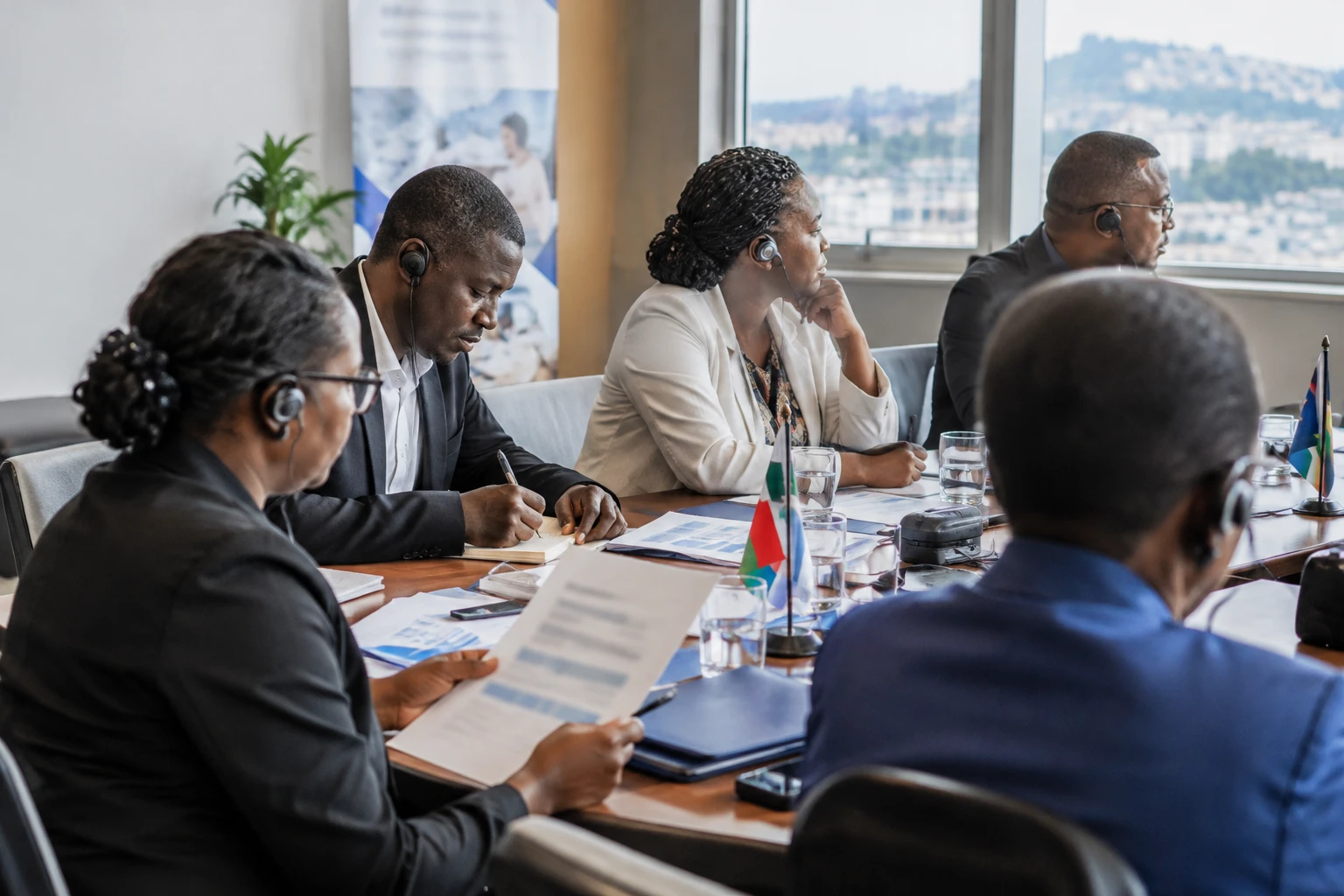
Madagascar, an East African country, is a member of the Southern African Development Community (SADC), a regional organisation bringing together several states in southern Africa and the Indian Ocean. The fight against cancer raises a shared question across the region: how can screening be linked to diagnosis and affordable treatment, rather than concentrating efforts on isolated awareness campaigns?
Cancer estimates and patients’ experiences shed light on two different dimensions. The former show the scale of the problem nationally. The latter reveal the practical obstacles encountered along the care journey. For women in the capital and in the regions alike, the challenge is to reduce waiting times, make medicines affordable and provide better guidance from the first examinations.
Pink October can draw attention to the issue and make it easier to get an initial appointment. The campaign’s lasting impact will depend on what comes next: continuity of care, available medical teams, support for families and action against stigma. It is at this level that free screening can become a genuine opportunity to receive care.