Algeria
 Egypt
 Libya
 Morocco
 Sudan
 Tunisia
 Benin
 Burkina Faso
 Cabo Verde
 Côte d'Ivoire
 Ghana
 Guinea
 Guinea-Bissau
 Liberia
 Mali
 Mauritania
 Niger
 Nigeria
 Senegal
 Sierra Leone
 The Gambia
 Togo
 Cameroon
 Central African Republic
 Chad
 Equatorial Guinea
 Gabon
 Republic of the Congo
 São Tomé and Príncipe
 Burundi
 Comoros
 Djibouti
 Eritrea
 Ethiopia
 Kenya
 Madagascar
 Malawi
 Mauritius
 Mozambique
 Rwanda
 Seychelles
 Somalia
 South Sudan
 Tanzania
 Uganda
 Angola
 Botswana
 Eswatini
 Lesotho
 Namibia
 South Africa
 Zambia
 Zimbabwe
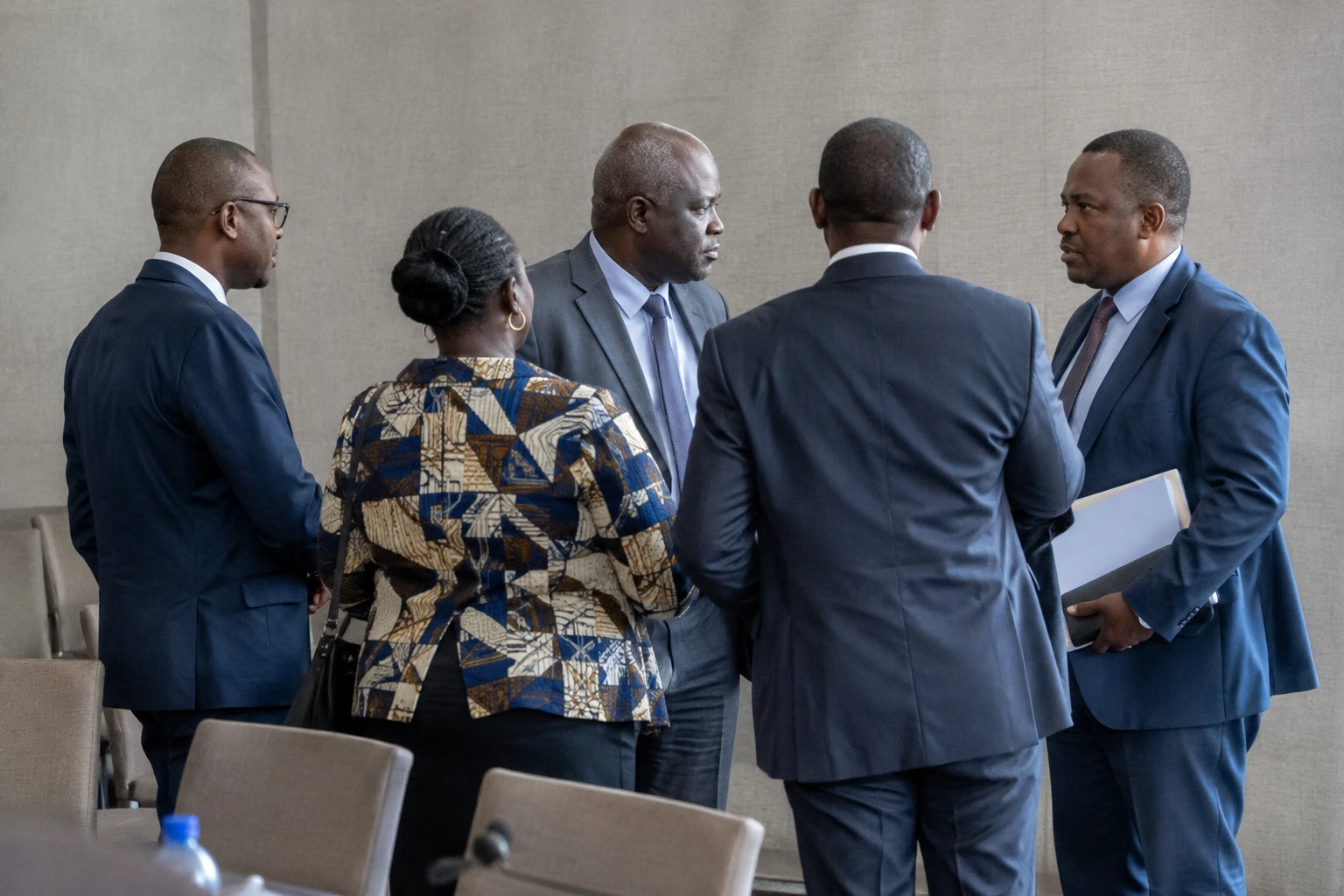
When a former head of state joins the leadership of a political-military coalition, the boundaries between political opposition and armed conflict become harder to draw. In the Democratic Republic of the Congo, the announcement of the Front for the Refoundation of the Nation (FRN) puts this question at the heart of the debate, as the country’s east remains at war.
A realignment amid the eastern crisis
Since January 2025, the AFC/M23 has controlled Goma and Bukavu, two major cities in eastern Congo. The group, which brings together the Congo River Alliance (AFC) and the March 23 Movement (M23), is fighting government forces and weighing on efforts to reach a political settlement. The DRC and UN experts accuse Rwanda of supporting the M23; Kigali rejects the accusations against it.
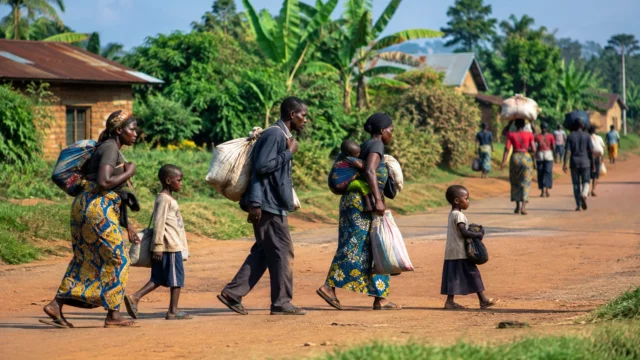
The crisis also affects neighbouring countries and regional organisations. The DRC is a member of the Southern African Development Community (SADC), which has supported regional peace and security efforts. The fighting, civilian displacement and cross-border tensions mean that any new armed realignment could complicate de-escalation.
A report by the United Nations Group of Experts published in June 2026 had already referred to a possible restructuring of the AFC/M23 and a growing role for Joseph Kabila. The announcement of the FRN now gives this realignment a public form, although its resources and operations have yet to be clearly established.
The FRN and reactions in Kinshasa
On 12 October in Goma, Joseph Kabila was presented as the leader of the FRN. The new coalition brings together figures from the AFC/M23. Corneille Nangaa and Bertrand Bisimwa have been named as vice-presidents, while Sultani Makenga has been presented as chief of staff. His adviser Claude Ibalanky said the movement intended to unite the forces of resistance, “including” through the use of force.
Three days earlier, on 9 October, Kabila had called for peace and a political solution. This succession of statements prompted criticism from Vital Kamerhe, a former president of the National Assembly and an ally of President Félix Tshisekedi. On 13 October, he denounced a contradiction between Kabila’s call for peace and his role at the head of a political-military structure. Kamerhe also said that “no political ambition justifies sacrificing more Congolese lives” and called on armed actors to engage in dialogue.
The Alliance of Democratic Forces of Congo (AFDC), the party of Modeste Bahati Lukwebo, also condemned the creation of the FRN. In a statement dated 13 October in Kinshasa, the party denounced destruction and population displacement, rejected a military solution and advocated “sincere and inclusive” dialogue. It reaffirmed its membership of the Sacred Union of the Nation, the political coalition formed around Félix Tshisekedi.
These reactions do not represent all Congolese political positions. The statements reported in Kinshasa have come mainly from figures close to the government. The absence of public statements from some opposition groups is not, in itself, enough to conclude that they support or reject the FRN.
A legal and political issue
The creation of the front comes amid a fraught legal context. On 30 September 2025, the High Military Court sentenced Joseph Kabila to death in absentia, notably for treason and participation in an insurrectionary movement. This is a judicial decision; the accusations made during the trial should not be presented as independently established facts. Kabila was not present at the hearing and challenged the proceedings, according to available reports.
His new role could strengthen the coalition’s political weight, but it also risks hardening the confrontation with Kinshasa. For the government, the association of a former president with a structure that includes AFC/M23 leaders raises questions of security and institutional legitimacy. For people in the east, the stakes are more immediate: continued fighting can disrupt travel, access to school and services, as well as local economic activity.
In Kinshasa, the controversy is playing out mainly through statements and alliances. In areas under control or contested, its consequences are felt first and foremost in people’s safety and their ability to carry on with daily life. This difference is a reminder that the national political debate and civilians’ experience are not one and the same.
What happens next will also be decided at the negotiating table
The FRN will need to clarify its objectives, its operational ties with the AFC/M23 and the place it intends to give to a negotiated solution. The answers will affect ongoing diplomatic efforts. The announcement comes as peace talks struggle to bring about lasting de-escalation on the ground.
For SADC and other regional actors, the emergence of a new banner does not change the essential needs: protecting civilians, reducing the fighting and keeping channels for dialogue open. The key question will be whether the FRN can turn its announcement into a distinct political organisation or, instead, extend the military dynamics already at work in eastern DR Congo under a new name.
Sources for context: Vital Kamerhe’s reaction reported in Kinshasa, AFDC statement on the FRN, announcement and composition of the Front for the Refoundation of the Nation, report on the High Military Court verdict and SADC summit communiqué on the DRC.