Algeria
 Egypt
 Libya
 Sudan
 Tunisia
 Benin
 Burkina Faso
 Cabo Verde
 Côte d'Ivoire
 Ghana
 Guinea
 Guinea-Bissau
 Liberia
 Mali
 Mauritania
 Niger
 Nigeria
 Senegal
 Sierra Leone
 The Gambia
 Togo
 Cameroon
 Central African Republic
 Chad
 DR Congo
 Equatorial Guinea
 Gabon
 Republic of the Congo
 São Tomé and Príncipe
 Burundi
 Comoros
 Djibouti
 Eritrea
 Ethiopia
 Kenya
 Madagascar
 Malawi
 Mauritius
 Mozambique
 Rwanda
 Seychelles
 Somalia
 South Sudan
 Tanzania
 Uganda
 Angola
 Botswana
 Eswatini
 Lesotho
 Namibia
 South Africa
 Zambia
 Zimbabwe
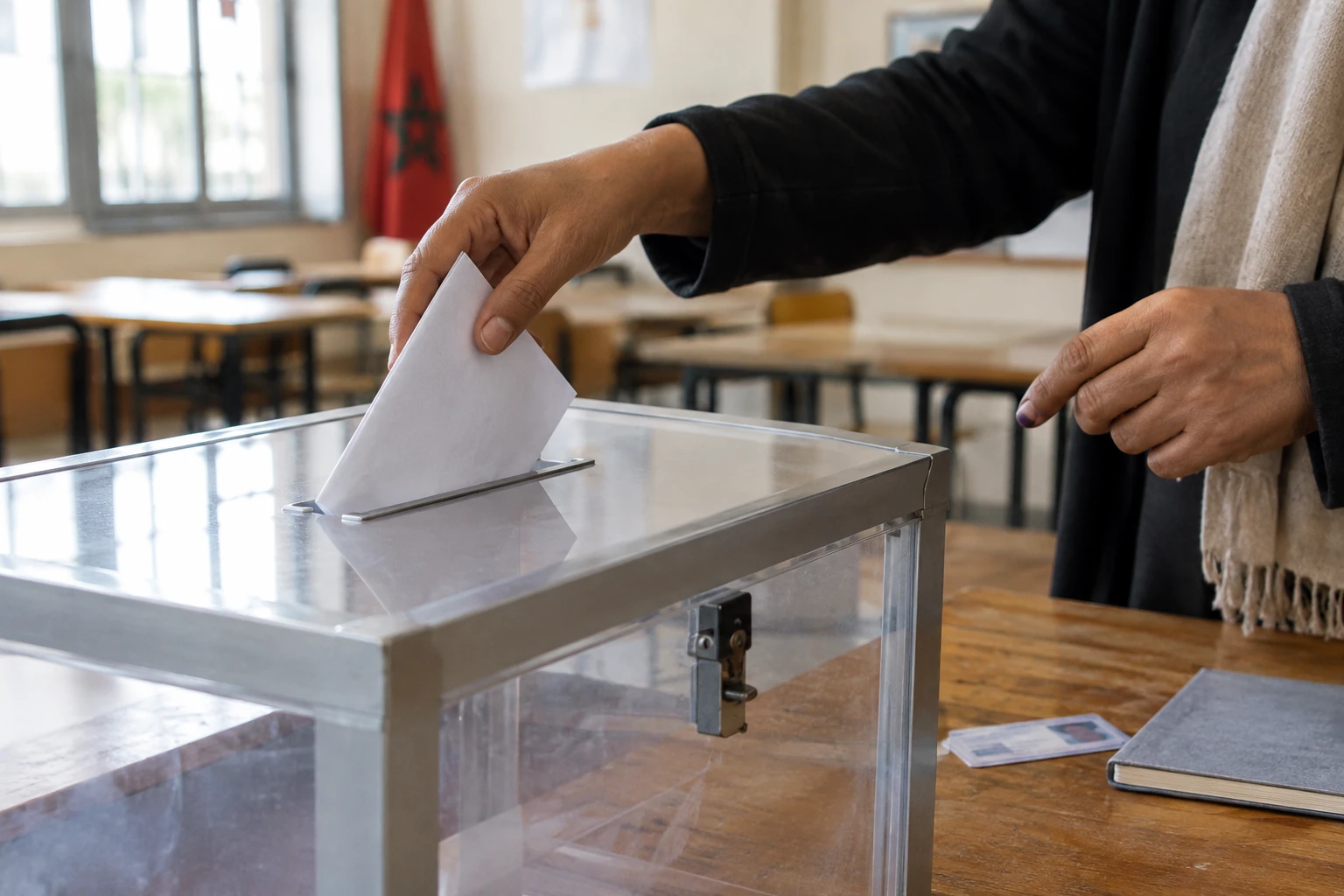
In Rabat, the opening of the parliamentary session on 10 October 2025 placed a practical question at the centre of the debate: how can public investment reach the territories and services on which residents depend? The royal address stressed local development, youth employment, education and health.
An address about the regions, not Madrid
One point needs correcting: the material provided conflates several separate events. The address of 10 October 2025, delivered in the final legislative year of the 11th legislature, did not include the reported remarks about Spain or a call for an integrated youth policy. The official text instead emphasises territorial development and the effectiveness of public policies.
The reference to Spain appears to come from another speech, delivered before Parliament on 11 October 2024. On that occasion, Mohammed VI discussed bilateral relations and advocated a partnership without pressure or blackmail. The Ceuta migration crisis took place on 17 and 18 May 2021, not 30 and 31 July. These episodes shed light on relations between Rabat and Madrid, but should not be presented as the subject of the 2025 address.
The official transcript of the royal address of 10 October 2025 confirms the context: the king was addressing MPs at the opening of the final year of the current term. He asked them to complete legislative work and monitor the programmes under way.
National priorities to be translated into action in the regions
The central message concerns social and territorial justice. The king called on the government to prepare a new generation of local programmes, delivering results more quickly and taking greater account of conditions on the ground. He cited the creation of jobs for young people, education, health and support for local economic activity.
The address also emphasises disparities between territories. Mountainous areas cover 30% of the national territory, according to the royal text. Oases, rural areas and regions far from major centres are also identified as requiring tailored responses. The challenge is to avoid concentrating services, infrastructure and job opportunities in the main urban centres.
For residents, the significance of these priorities will depend less on announcements than on their implementation: real access to healthcare and schools, job prospects for young people, nearby public services and sustainable economic activity. Needs differ between Rabat or Casablanca, small towns, the countryside and mountain areas.
Youth: a social concern, but not the attributed quotation
Youth remains an important political issue in Morocco. In autumn 2025, young people took part in demonstrations expressing demands concerning education, health and employment prospects, among other issues. Independent reports documented these mobilisations before the parliamentary address. However, the official text of 10 October does not mention the demonstrations and does not contain the quotation about an “integrated vision” reproduced in the material provided.
It is therefore more accurate to distinguish between the facts: young people voiced concerns in public about services and future opportunities, while the royal address called for territorial development programmes to be accelerated and investment better directed. The connection between these two points is contextual, rather than an explicitly stated response in the address.
This distinction also matters when assessing policies. National announcements translate differently depending on whether people live in a large city, a rural municipality or a remote area. MPs, from both the majority and the opposition, are called on to scrutinise government action and represent citizens. Responsibility does not end with setting out priorities.
A political and regional deadline
The address came during the final year of the 2021-2026 legislature, not after September parliamentary elections as the initial material claims. The king asked representatives to complete legislation and projects under way before their term ends. Effective parliamentary scrutiny and the continuity of programmes are therefore immediate concerns.
At the regional level, Morocco belongs to the Arab Maghreb Union, whose five member states are Morocco, Algeria, Tunisia, Libya and Mauritania. The organisation continues to face limited cooperation. Morocco’s territorial development priorities are therefore framed primarily at the national level, while echoing shared Maghreb challenges: youth employment, access to services and reducing disparities between regions.
Looking ahead, the decisive test will be whether these priorities are translated into funded, accessible and measurable programmes in the territories. The address of 10 October 2025 does not, on its own, provide a detailed timetable or quantified results to come. It sets a political direction; the government and Parliament will be accountable for its implementation.