Algeria
 Egypt
 Libya
 Morocco
 Sudan
 Tunisia
 Benin
 Burkina Faso
 Cabo Verde
 Côte d'Ivoire
 Ghana
 Guinea
 Guinea-Bissau
 Liberia
 Mali
 Niger
 Nigeria
 Senegal
 Sierra Leone
 The Gambia
 Togo
 Cameroon
 Central African Republic
 Chad
 DR Congo
 Equatorial Guinea
 Gabon
 Republic of the Congo
 São Tomé and Príncipe
 Burundi
 Comoros
 Djibouti
 Eritrea
 Ethiopia
 Kenya
 Madagascar
 Malawi
 Mauritius
 Mozambique
 Rwanda
 Seychelles
 Somalia
 South Sudan
 Tanzania
 Uganda
 Angola
 Botswana
 Eswatini
 Lesotho
 Namibia
 South Africa
 Zambia
 Zimbabwe
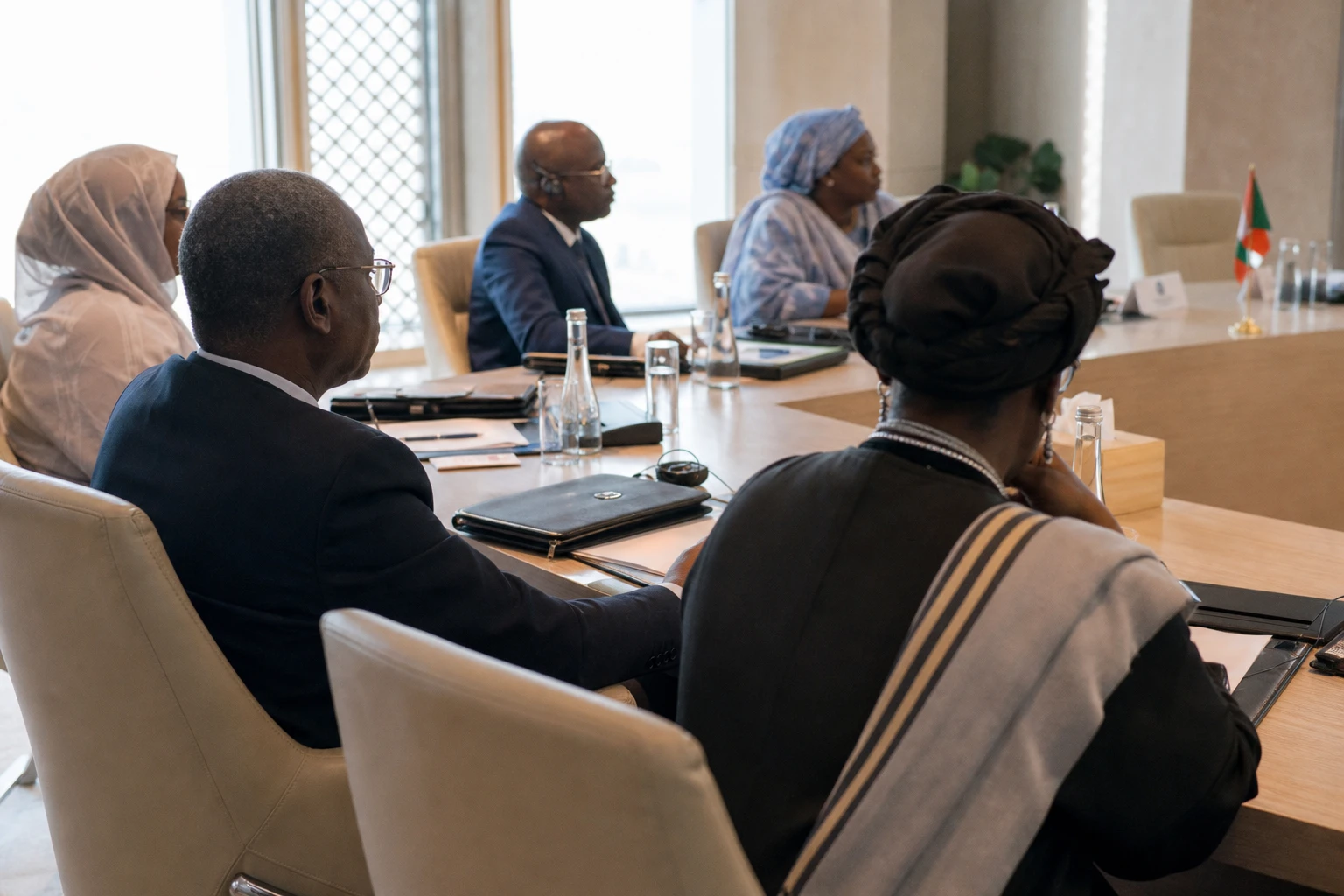
In Nouakchott, the demand is no longer just for a legal text. It concerns the Mauritanian state’s ability to protect women and girls, prosecute perpetrators and guarantee victims real access to justice. Mobilisation around the Karama bill has therefore brought back to the fore a reform announced several years ago.
A bill awaited after years of debate
The Karama bill aims to establish a framework for preventing violence against women and girls, protecting victims and prosecuting perpetrators. It covers rape, sexual harassment, domestic violence, female genital mutilation, incest, threats and certain forms of deprivation of rights.
The bill would not simply amend the criminal code. It also provides for medical and social support mechanisms, the protection of witnesses and personal data, and procedures designed to limit victims’ exposure during legal proceedings.
The bill was presented to the government after several revisions. In September 2023, a national debate held in Nouakchott brought together representatives of the ministries of justice and Islamic affairs, legal experts, MPs, religious leaders and civil society organisations. Discussions focused on the bill’s content and its compatibility with the country’s religious references.
Mauritania’s justice ministry then described Karama as a framework based on four pillars: prevention, protection, the fight against impunity and support for victims. The government also said the bill must take account of the constitution, Mauritania’s international commitments and the principles of sharia.
Compatibility with sharia at the heart of discussions
In Mauritania, discussion of violence against women cannot be separated from the role of Islamic references in the legal and social order. This is one of the main points of debate around Karama.
The authorities have said the bill will be adopted only after its compliance with sharia has been verified. Sharia refers to the body of principles and sources of Islamic law invoked in Mauritania’s public debate. The text has notably been submitted to religious bodies and legal experts specialising in the field.
Several civil society organisations, for their part, argue that protecting women and girls does not contradict Islamic values. On the contrary, they believe the fight against violence can be presented as a requirement of dignity, justice and the preservation of the family.
This approach seeks to avoid a simplistic opposition between women’s rights and religion. It also reflects changes to the original bill. According to civil society actors who took part in consultations, the current version has been revised to remove some wording considered imprecise and incorporate observations made by legal experts and religious leaders.
Why associations are calling for swift adoption
For the organisations campaigning on the issue, the main problem is the lack of sufficiently precise definitions and procedures in existing law. This can complicate the work of investigators, judges and lawyers. It can also discourage victims from filing complaints.
Associations are particularly concerned about the difficulties women and girls face in cases of sexual violence. Family pressure, fear of stigma and economic dependence can delay reporting. In areas far from Nouakchott, access to a doctor, a lawyer or a social service is also more difficult.
The issue therefore goes beyond the severity of sentences. An effective law must define offences, organise the collection of evidence, protect victims from reprisals and ensure relevant professionals receive training. It must also provide resources for shelters and the associations supporting survivors.
Mauritanian organisations have already established listening, referral and legal assistance services. However, their capacity varies by region and often depends on limited funding. Adoption of Karama would not automatically resolve these difficulties, but it could provide a common basis for coordinating public action.
An issue that affects all Mauritanian society
The debate concerns first and foremost women and girls exposed to violence. It also affects families, health professionals, teachers, judges, security forces and local leaders.
In the capital, victims are more likely to find an association, a medical centre or legal advice. In distant wilayas, long distances and a lack of specialist services can slow support. This disparity between Nouakchott and other regions will be crucial in assessing the effectiveness of any future law.
The bill will also have to address the circumstances of women with disabilities, minors, domestic workers and women who are economically dependent on those around them. Protection that is uniform on paper can remain unequal if access to justice mechanisms is not available everywhere.
Online violence is another challenge. Human rights advocates have recommended including digital threats, image-based blackmail and the non-consensual distribution of private content in the bill. These practices are spreading as the use of mobile phones and social media grows, including among victims living far from major urban centres.
Regional and continental significance
Mauritania occupies a particular position in West Africa. It is not a member of the Economic Community of West African States, ECOWAS, but remains linked to its regional environment through trade, mobility and security issues. It also takes part in the dynamics of the Maghreb and the Sahel.
Adoption of Karama would therefore be watched beyond Nouakchott. It would show how a Sahelian state can build a framework to combat violence while bringing together national law, religious references and international commitments.
The next step will be the parliamentary timetable. Until the bill is scheduled, examined and adopted by the National Assembly, political announcements will not provide victims with any new protection. Its implementation will then depend on the resources allocated to the justice system, social services, health facilities and associations.
For Mauritanian women, that is precisely what is at stake: moving from a bill debated for years to a rule that can be enforced, is known about and is accessible. The current mobilisation is a reminder that dignity is not merely proclaimed. It is measured by an institution’s ability to prevent violence, hear a complaint and deliver justice.