Algeria
 Egypt
 Libya
 Morocco
 Sudan
 Tunisia
 Benin
 Burkina Faso
 Cabo Verde
 Côte d'Ivoire
 Ghana
 Guinea-Bissau
 Liberia
 Mali
 Mauritania
 Niger
 Nigeria
 Senegal
 Sierra Leone
 The Gambia
 Togo
 Cameroon
 Central African Republic
 Chad
 DR Congo
 Equatorial Guinea
 Gabon
 Republic of the Congo
 São Tomé and Príncipe
 Burundi
 Comoros
 Djibouti
 Eritrea
 Ethiopia
 Kenya
 Madagascar
 Malawi
 Mauritius
 Mozambique
 Rwanda
 Seychelles
 Somalia
 South Sudan
 Tanzania
 Uganda
 Angola
 Botswana
 Eswatini
 Lesotho
 Namibia
 South Africa
 Zambia
 Zimbabwe
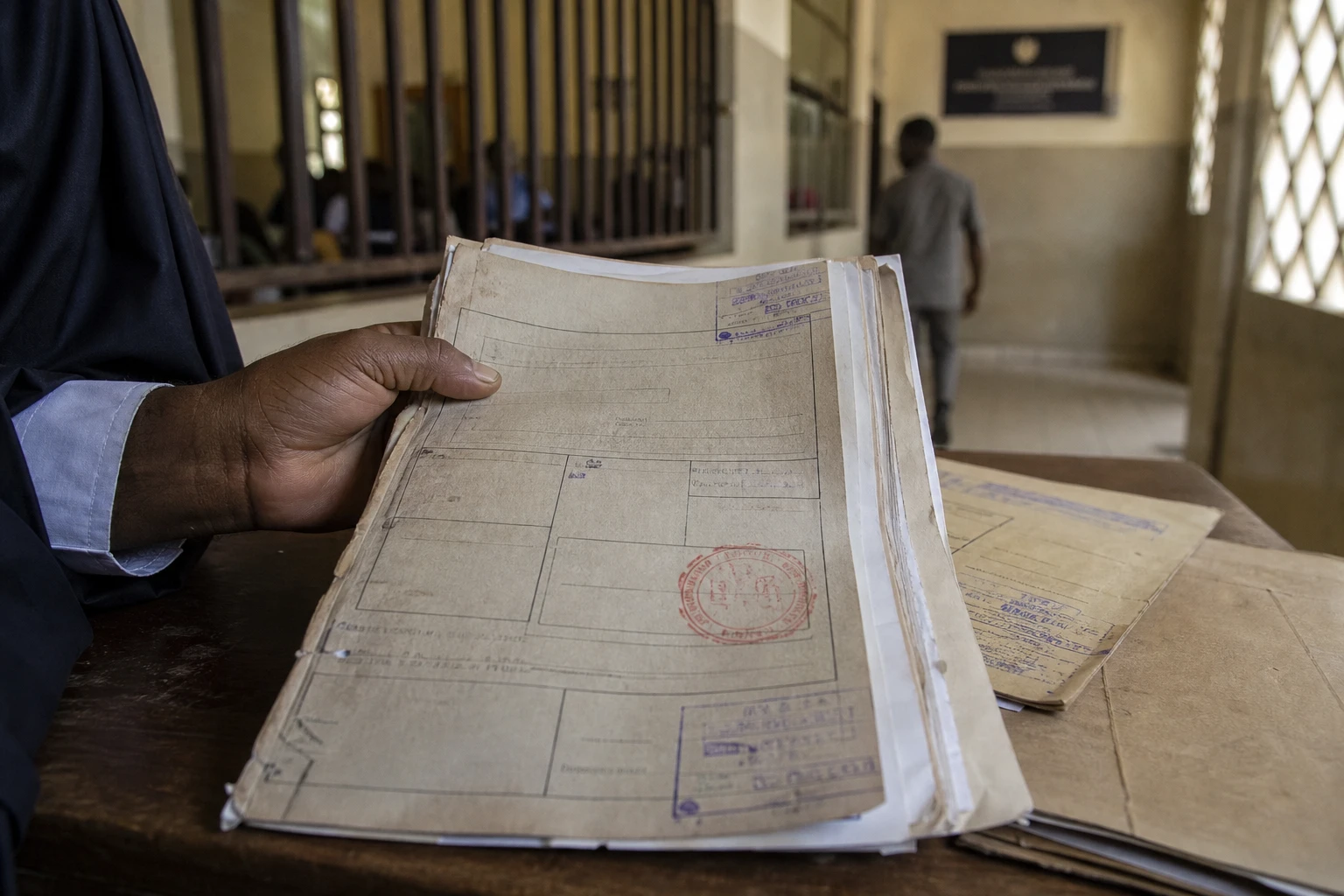
In Conakry, a taxi conversation becomes a criminal case
In Conakry, a casual conversation can lead to a criminal court hearing within days. That is what the case of Seydouba Soumah, a young Guinean facing prosecution after remarks exchanged in an unlicensed taxi in the heart of the Guinean capital, demonstrates.
The case is not insignificant. It touches on a sensitive issue: the sometimes blurred line between private discussion, political rumour and police interpretation. In a country where public space remains closely monitored, any words spoken about the state of the country can quickly take on legal significance.
Guinea remains marked by transition and security vigilance
Since the September 2021 coup, Guinea has experienced a long and contested political transition, followed by a gradual return to constitutional order. ECOWAS, the Economic Community of West African States, accompanied this process before lifting its remaining sanctions in early 2026, following the 2025 constitutional referendum and the elections that followed. The sub-region is therefore watching Conakry closely, as developments there affect West Africa as a whole. ECOWAS reference text on Guinea
At the same time, warnings about civil liberties have not ceased. The UN system has reiterated that the rights to assembly, expression and association must remain protected, while pointing to continuing restrictions on political activism and the work of human rights defenders. United Nations report on the situation in Guinea This context explains why a case that began in a taxi reaches far beyond a local court hearing.
The facts: a discussion, a check, then a prosecution
The events date back to 1 September in Conakry. Seydouba Soumah was in an unlicensed taxi when a discussion reportedly turned to possible tensions ahead in the country. A plain-clothes police officer in the vehicle considered the remarks grounds for intervention. At the next checkpoint, the two occupants were arrested, before the driver fled.
At the hearing on 9 September before the Kaloum Court of First Instance, accounts differed. The police officer maintained that the driver had mentioned possible clashes in October and November. Seydouba Soumah denied making any such remarks. He said he had merely heard a conversation and had not taken part in it in a threatening manner. Report on the hearing in Kaloum
The prosecutor requested the opening of a judicial investigation to hear from the missing driver and clarify responsibility. The judge agreed to adjourn the case and keep Seydouba Soumah in detention. The case is due to be heard again this Wednesday, 16 September, in Kaloum, amid close attention from human rights organisations. Legal updates on the case
What the case reveals about public space in Guinea
Beyond the individual case, the issue is clear: what room is left for ordinary speech when political tensions rise? In Guinea, public debate has often been shaped by fears of unrest, rumours of crisis and suspicions of incitement. But the use of the charge of “attempted disturbance of public order” raises another question: when does a conversation become a crime?
For the public, the answer has practical consequences. It affects daily journeys, bus stations, markets and the places where unofficial information circulates. For the authorities, it reflects an approach centred on prevention and security. For judges, it means distinguishing between a rumour, an opinion and a genuinely punishable act. That is where the credibility of the justice system is at stake.
In a country where the justice system is often expected to make decisions free from political pressure, the length of pre-trial detention and the strength of the evidence become important markers. Human rights organisations already see this as a test of freedom of expression and the proportionality of the criminal response. Their concern is not theoretical: it reflects how the state manages dissent, especially when the political climate becomes tense.
A local case with regional significance
This hearing extends beyond Conakry because it comes at a time when West Africa is still experiencing transitions, institutional realignments and debates about freedoms. Guinea has brought one phase of transition to a close, but not the underlying question: how can public order be maintained without restricting citizens’ speech?
The coming weeks will be watched closely, not only in Kaloum but also in judicial, political and civil society circles across the sub-region. If the case confirms a broad interpretation of disturbance of public order, it will fuel concerns about civic space. If it is investigated rigorously and on the basis of precise evidence, it will instead say something important about the Guinean justice system’s ability to resist pressure and exercise restraint.
In a region where institutional balances remain fragile, this case is a reminder of a simple truth: stability is built not only by controlling the streets. It also depends on the trust placed in speech, the law and the judge.