Algeria
 Egypt
 Libya
 Morocco
 Sudan
 Tunisia
 Benin
 Burkina Faso
 Cabo Verde
 Côte d'Ivoire
 Ghana
 Guinea
 Guinea-Bissau
 Liberia
 Mali
 Mauritania
 Niger
 Nigeria
 Sierra Leone
 The Gambia
 Togo
 Cameroon
 Central African Republic
 Chad
 DR Congo
 Equatorial Guinea
 Gabon
 Republic of the Congo
 São Tomé and Príncipe
 Burundi
 Comoros
 Djibouti
 Eritrea
 Ethiopia
 Kenya
 Madagascar
 Malawi
 Mauritius
 Mozambique
 Rwanda
 Seychelles
 Somalia
 South Sudan
 Tanzania
 Uganda
 Angola
 Botswana
 Eswatini
 Lesotho
 Namibia
 South Africa
 Zambia
 Zimbabwe
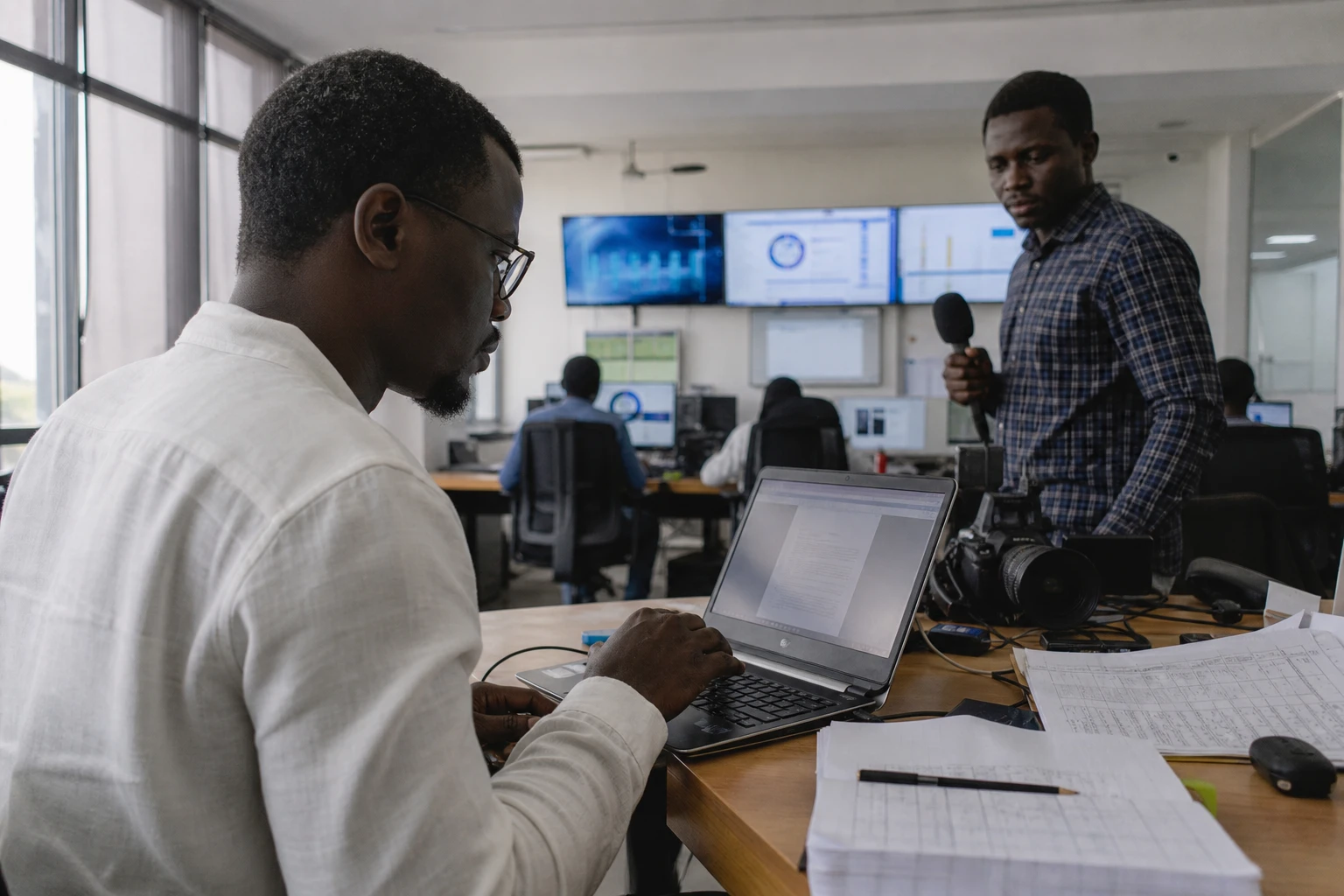
In Senegal, retail savings are still looking for an entry point
In Dakar and other cities in Senegal, many households already know how to put money aside. The real barrier comes next: turning those savings, often informal, into an investment that is clear, secure and accessible. This is precisely the step Everest Finance is targeting with Sama Naffa, a platform designed to bring small savers closer to the WAEMU regional financial market, the West African monetary union made up of eight states that use the CFA franc and share a single financial market.
The project is arriving in a particular environment. Mobile money is already widespread in Senegal, while access to market products remains much more limited. The World Bank says that, in 2024, 66.9% of Senegalese adults held a mobile money account and 48% had an account with a bank or similar financial institution. This creates an opportunity: some savings already move by phone, but do not yet automatically lead to investment.
Sama Naffa, an investment product presented as a gateway
Everest Finance, a Dakar-based asset management and brokerage firm approved by the AMF-UMOA, has presented Sama Naffa as a discretionary management solution. The service would allow users to start saving from 1,000 CFA francs, then gradually invest the accumulated amounts in the regional financial market. The platform also relies on payment methods already familiar to the public, including Orange Money, Wave, bank cards and cash deposits.
The company says it wants to bridge deeply rooted practices in Senegal, such as tontines and savings associations, with the more formal instruments of the financial market. It also plans to build a network of local agents, called “Nos Jambars”, to explain how the service works and support users. This choice is telling: in a country where trust matters as much as the financial tool, education is as important as technology.
The launch ceremony brought together public officials. Babacar Cissé, chief of staff to the Minister of the Economy, Finance and Planning, said he hoped the platform would make it easier for Senegalese people to access the financial market and help spread a culture of investment. The event reflected a simple idea: financing the economy will not come solely from the state, banks or large institutional investors. Households will also need to be mobilised.
A regional market still largely closed to individual investors
The launch comes against a backdrop already documented by the AMF-UMOA. The regulator notes that a securities account is opened with an SGI, an authorised asset management and brokerage firm that acts as an intermediary between the saver and the market. It also specifies that only approved intermediaries may perform this role on the regional financial market. In other words, an entry point exists, but it remains technical, difficult to understand and still little used by the general public.
Figures cited by the financial press from AMF-UMOA data point in the same direction. At the end of 2024, Senegal had 31,553 securities accounts, out of nearly 197,000 across the WAEMU as a whole. The country therefore accounted for about 16% of the regional total. This is not insignificant, but it remains low in relation to the size of the Senegalese economy and its demographic weight in the sub-region.
Another indicator sheds light on the problem. In an interview in September 2025, AMF-UMOA president Badanam Patoki said that individual investors in Senegal accounted for less than 5% of subscriptions to the country’s bond issues. The message is clear: savings exist, but they are not yet making a substantial contribution to bond financing for companies and WAEMU states.
How competition is changing for Senegalese brokerage firms
Everest Finance is positioning itself in a still narrow but strategic segment: retail savings. The company, founded in 2015 and approved under number SGI/2016-01, says it aims to expand its client base and establish a position ahead of its competitors in a market whose offerings remain little known to the general public. In a country where market finance remains distant for many households, the first advantage is not simply returns. It is ease of use.
The bet rests on a broader shift in financial habits. According to the World Bank, digital services have already embedded new payment and savings habits in Senegal. But turning a mobile account into a financial investment requires more: a clear explanation of risk, fees, the investment horizon and the role of an SGI. That is where the success or failure of this kind of initiative will be decided.
For households, the stakes are twofold. On the one hand, these tools can lower the entry threshold and make investment less intimidating. On the other, they impose a new requirement for transparency and understanding. For market participants, the contest will be commercial, but also educational. The provider that explains things best will win trust more quickly.
A useful development for WAEMU and West Africa
Beyond Senegal, Sama Naffa reflects a trend that extends beyond Dakar. Across West Africa, the question is no longer just how to open bank or mobile accounts. Part of this liquidity must now be channelled into productive investment within a regulated framework. For WAEMU, the growth of retail savings can support bond issues, diversify sources of finance and reduce exclusive reliance on bank credit.
What happens next will depend on the regional market’s ability to remain accessible, clear and credible. The coming months will show whether platforms such as Sama Naffa become merely a digital veneer or a genuine entry channel for Senegalese households into regional finance. In WAEMU, where market infrastructure is already in place, the issue is no longer technical feasibility. It is converting everyday savings into patient capital.