Algeria
 Egypt
 Libya
 Morocco
 Sudan
 Tunisia
 Benin
 Burkina Faso
 Cabo Verde
 Côte d'Ivoire
 Ghana
 Guinea
 Guinea-Bissau
 Liberia
 Mali
 Mauritania
 Niger
 Nigeria
 Senegal
 Sierra Leone
 The Gambia
 Togo
 Cameroon
 Central African Republic
 Chad
 Equatorial Guinea
 Gabon
 Republic of the Congo
 São Tomé and Príncipe
 Burundi
 Comoros
 Djibouti
 Eritrea
 Ethiopia
 Kenya
 Madagascar
 Malawi
 Mauritius
 Mozambique
 Rwanda
 Seychelles
 Somalia
 South Sudan
 Tanzania
 Uganda
 Angola
 Botswana
 Eswatini
 Lesotho
 Namibia
 South Africa
 Zambia
 Zimbabwe
A response moving up a gear
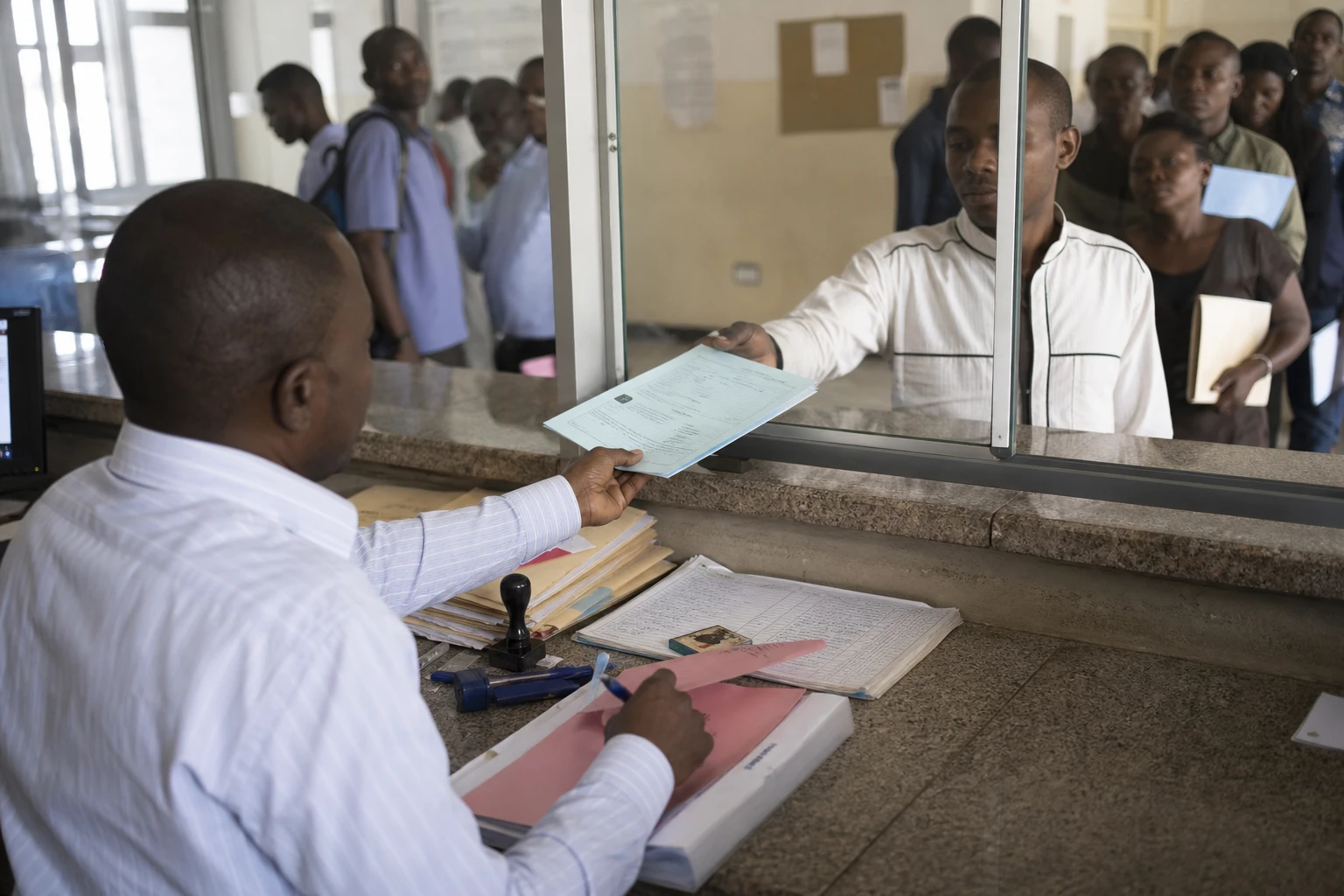
In Kinshasa, Ebola is no longer just a localised outbreak. It has become a test of speed, coordination and public trust. When a virus spreads faster than contact tracing can keep up, every hour saved matters, especially in a vast country where roads, river ports and conflict zones complicate surveillance.
The Democratic Republic of the Congo, with Kinshasa as its capital, has therefore decided to revise its response. On 4 September 2026, the government and its partners presented a revised 180-day multisectoral plan to accelerate the response to the 17th Ebola outbreak caused by the Bundibugyo virus. The total funding requirement is estimated at US$1.3 billion.
What the new plan sets out
The document presented in Kinshasa is primarily aimed at breaking the chain of transmission. It focuses on epidemiological surveillance, contact tracing, prompt treatment of patients and faster referral to health facilities. It also provides for stronger logistics, risk communication and community engagement. In an Ebola outbreak, these components are not incidental. They are often decisive.
According to the WHO, the outbreak is already the second largest ever recorded in the country and the fastest observed to date. As of 2 September, 6,342 cases had been reported and 3,072 cumulative deaths recorded. The outbreak affects 60 health zones across six provinces. These figures show widespread geographical transmission, beyond a single, isolated hotspot.
The Ministry of Health explained that the initial response phase had been designed to last three months, but developments on the ground made a revision necessary. This adjustment is significant. It reflects a reality often seen in African health emergencies: a plan that is too short quickly runs out of steam, especially when cases move, communities are still reluctant to report symptoms and field teams have to cover vast distances.
The role of communities, provinces and borders
Health authorities have highlighted a sensitive issue: many deaths are still occurring in communities, often among people who had not been identified as contacts and never reached a health centre. In other words, the response is not playing out only in referral hospitals. It is also taking place in villages, neighbourhoods, along river routes and through community networks.
This is where the initiative <a href=