Algeria
 Libya
 Morocco
 Sudan
 Tunisia
 Benin
 Burkina Faso
 Cabo Verde
 Côte d'Ivoire
 Ghana
 Guinea
 Guinea-Bissau
 Liberia
 Mali
 Mauritania
 Niger
 Nigeria
 Senegal
 Sierra Leone
 The Gambia
 Togo
 Cameroon
 Central African Republic
 Chad
 DR Congo
 Equatorial Guinea
 Gabon
 Republic of the Congo
 São Tomé and Príncipe
 Burundi
 Comoros
 Djibouti
 Eritrea
 Ethiopia
 Kenya
 Madagascar
 Malawi
 Mauritius
 Mozambique
 Rwanda
 Seychelles
 Somalia
 South Sudan
 Tanzania
 Uganda
 Angola
 Botswana
 Eswatini
 Lesotho
 Namibia
 South Africa
 Zambia
 Zimbabwe
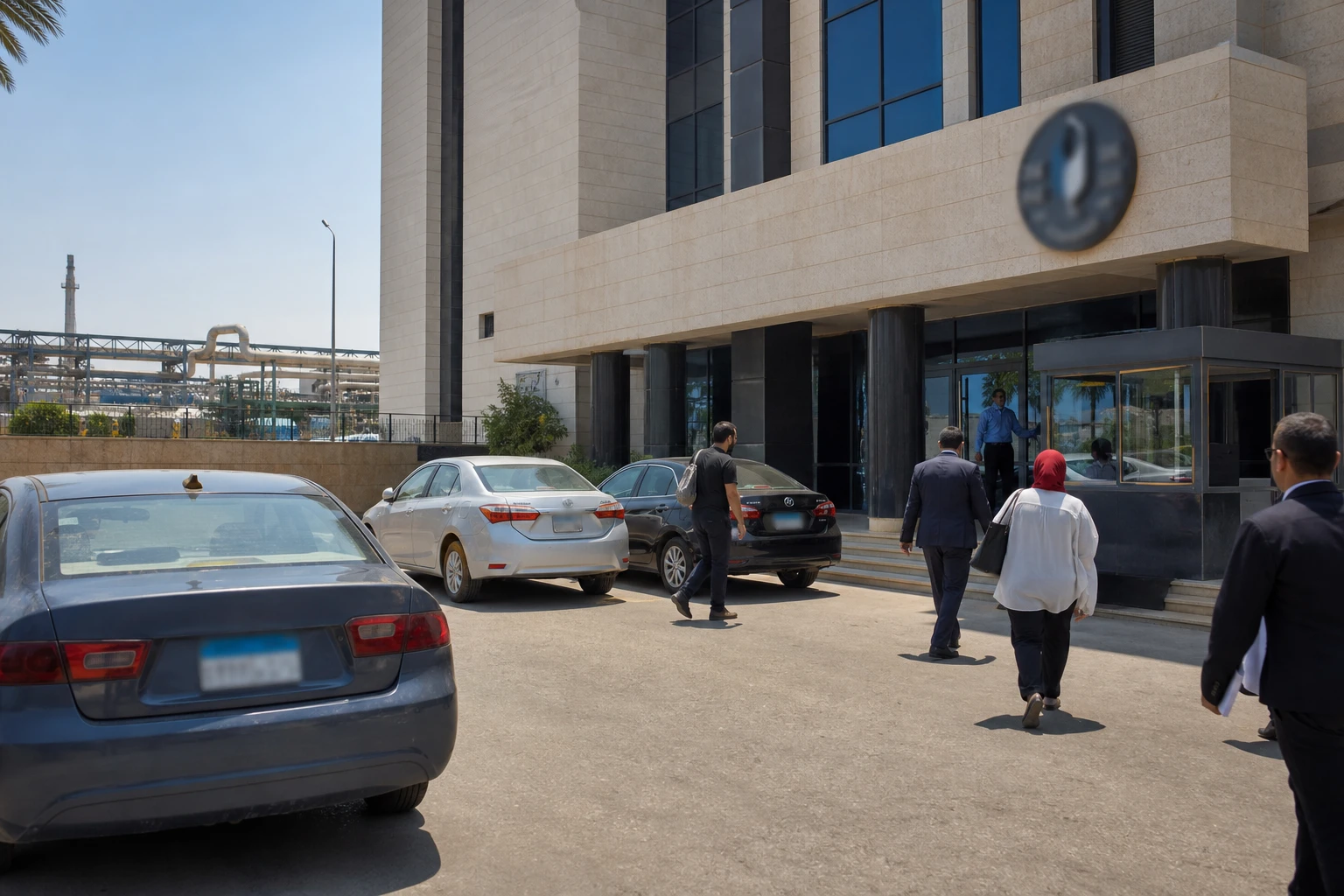
When a new supply of natural gas is presented as good news for the nation, it says something about more than a technical start-up. In Egypt, the issue touches on electricity stability, the cost of imports and the ability of the country, Africa’s largest gas consumer, to maintain its energy balance during heat peaks.
Cairo is also seeking to keep a grip on a strained market. The country has had to bring floating regasification units back into service at Ain Sokhna to absorb imported liquefied natural gas, while the authorities are striking more medium-term supply deals to limit exposure to the spot market. This strategy also fits into the broader logic of the African Union and the Arab Maghreb Union, where energy security remains a lever of economic sovereignty.
Fayoum-4: a modest gain, launched at the right time
On 31 August 2026, Egypt’s petroleum ministry announced that the Fayoum-4 well, in the West Nile Delta concession, had started production. The well adds about 80 million cubic feet of gas a day to the national network and came on stream nearly two years ahead of the original schedule. The ministry presents the project as an example of accelerated development based on the use of existing infrastructure.
The technical choice is central. Teams drilled a sidetrack from an existing well to a depth of about 3,000 metres to reach new Messinian reservoirs. By relying on the Giza-Fayoum gas pipeline and treatment facilities already in operation, the operator avoided building new subsea infrastructure and cut the time to production by about two years. The method reflects a broader trend in Egypt’s sector: producing more quickly, with fewer new industrial complexities.
The gain is nevertheless limited at market scale. Data cited by industry players show that Egyptian gas production has fallen by about 30% since 2021, as the offshore Zohr field, long a mainstay of the national gas system, has declined. The International Energy Agency also says Egypt consumed 59 billion cubic metres of gas in 2025, with very high summer peaks.
In other words, Fayoum-4 provides relief, but does not solve the problem. The country still depends on a fragile balance between domestic production, pipeline gas imports and LNG cargoes. The ministry also acknowledges that the Ain Sokhna regasification platform was prepared to handle the cargoes needed for the high-demand season. Egypt therefore remains in a transition phase, caught between ambitions of self-sufficiency and imports to ensure security of supply.
This strain weighs on public finances. LNG imports rose sharply in 2025 and 2026, with deals for up to 24 cargoes for summer 2026 concluded with QatarEnergy, and broader discussions with other suppliers such as Shell, TotalEnergies and BP. These contracts are intended to smooth the bill, but they also confirm Cairo’s reliance on overseas purchases to get through the months of heaviest demand.
A catch-up strategy for Cairo, and a signal for the region
The authorities are no longer hiding their priority: restoring domestic volumes. In August 2026, the petroleum ministry announced an increase of about 20% in exploration and production activity, as well as new tenders for blocks in the Mediterranean, the Nile Delta and Sinai. At the same time, the state is pushing faster, more targeted drilling solutions, with the aim of reviving investment and reducing the import bill.
This policy has very tangible effects across entire sectors of the Egyptian economy. Power stations, fertiliser plants and heavy industries depend on gas. When supply tightens, pressure quickly feeds through to production costs, company margins and, ultimately, domestic prices. Conversely, an additional supply such as Fayoum-4 improves the network’s room for manoeuvre, even if it does not eliminate the need for imports.
The issue also has regional significance. Egypt is seeking to remain an Eastern Mediterranean gas hub, connecting its infrastructure to neighbouring resources, including through recent discussions on Cypriot discoveries and the use of Egyptian terminals. If this strategy takes hold, it could strengthen the country’s role as a transit and processing platform for North Africa and the Mediterranean basin.
For North Africa, the stakes go beyond a single well. The question is whether Egypt can turn a period of decline into a lasting recovery, or whether it will have to keep striking a balance, season after season, between domestic production, LNG imports and network security. The next milestones will be the new tenders, the pace of the announced drilling and developments at Zohr, which remains the most sensitive variable in Egypt’s gas system.