Algeria
 Egypt
 Libya
 Morocco
 Sudan
 Tunisia
 Benin
 Burkina Faso
 Cabo Verde
 Côte d'Ivoire
 Ghana
 Guinea
 Guinea-Bissau
 Liberia
 Mali
 Mauritania
 Niger
 Nigeria
 Sierra Leone
 The Gambia
 Togo
 Cameroon
 Central African Republic
 Chad
 DR Congo
 Equatorial Guinea
 Gabon
 Republic of the Congo
 São Tomé and Príncipe
 Burundi
 Comoros
 Djibouti
 Eritrea
 Ethiopia
 Kenya
 Madagascar
 Malawi
 Mauritius
 Mozambique
 Rwanda
 Seychelles
 Somalia
 South Sudan
 Tanzania
 Uganda
 Angola
 Botswana
 Eswatini
 Lesotho
 Namibia
 South Africa
 Zambia
 Zimbabwe
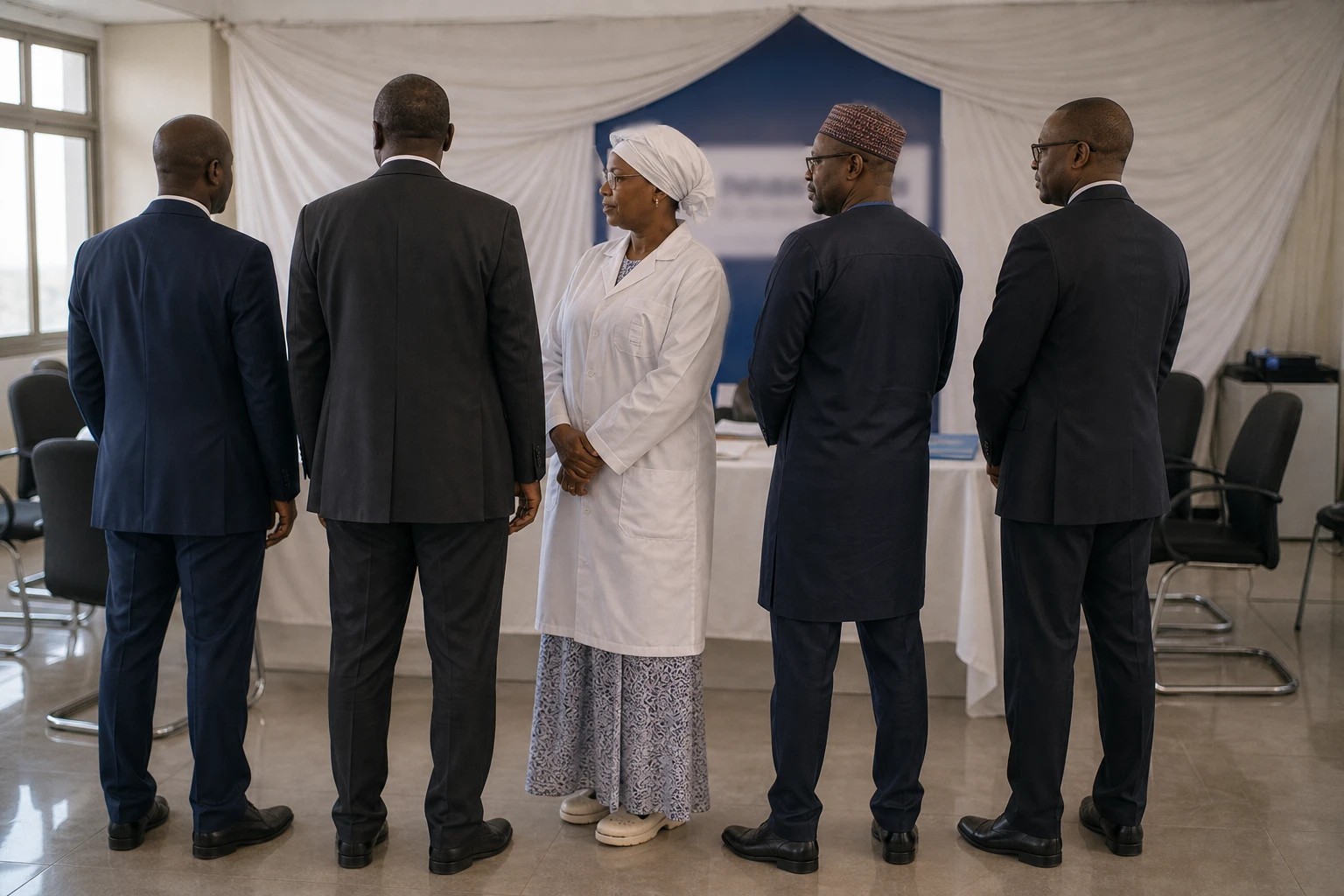
A treatment made in Dakar changes the equation for families long dependent on imports
In many Senegalese households, sickle cell disease is more than a chronic illness. It means repeated appointments, heavy expenses and a constant race to find treatment in stock. The arrival of a locally produced generic is changing this picture by bringing patient care closer to realities on the ground, rather than leaving it to theoretical standards alone.
In Senegal, the issue is part of a broader strategy for health sovereignty. The authorities want to reduce what they see as excessive dependence on imported medicines, in a country where sickle cell disease is among the conditions monitored by the Ministry of Health and specialist institutions such as the National Blood Transfusion Centre in Dakar. Regionally, the issue goes beyond Senegal: the WHO says sub-Saharan Africa accounts for nearly 80% of cases worldwide.
The medicine is called Drepaf. It is a generic version of hydroxyurea, manufactured in Senegal by Teranga Pharma. According to the Senegalese Press Agency, the paediatric formulation was launched in spring 2026, with the aim of offering a version better suited to children with sickle cell disease. Other sources have confirmed that an adult version had already been put into circulation, making the product an important milestone in local pharmaceutical production.
The core change is simple: treatment is becoming more accessible. Prices reported by the Senegalese press show a substantial gap compared with some imported brands, which can matter in a country where out-of-pocket payments remain a frequent obstacle for households. Local production also cuts supply times and limits stock-outs, a problem Senegalese health officials are seeking to address through new public procurement frameworks favouring domestic producers.
For patients, the issue is not only financial. It is medical. Sickle cell disease already places a burden on specialist services in Senegal: the CNTS monitors around 4,500 people with the condition, while Cheikhoul Khadim Hospital in Touba follows nearly 400, the vast majority with the SS form, the most severe. These figures convey the scale of the need for continuous care, biological monitoring and therapeutic education, especially for children and young adults.
This progress also has an industrial dimension. Drepaf production is part of a broader expansion of the pharmaceutical sector in Senegal, supported by a new regulatory framework and a stated ambition to anchor more value added in the country. In short, this is not just about making one more box of tablets. It is about testing the country’s ability to produce, regulate and distribute essential medicines nationally and then regionally.
A signal for West Africa, where public health remains too dependent on external supply chains
The issue reaches beyond Dakar. In West Africa, where health systems share the same logistical weaknesses, a locally produced medicine for a disease as widespread as sickle cell disease becomes a case study. It shows that a state can begin to regain control over part of its supply, even in a sector as sensitive as medicines and even for a long-term condition.
The issue is also of interest to regional and continental bodies. ECOWAS, in a region where patients, products and medical talent move across borders, is closely monitoring anything that could improve the availability of treatments. Across Africa, the logic of health sovereignty aligns with the objectives of the African Union and several industrial development strategies: produce more on the continent to meet African needs, with prices and standards controlled locally.
For Senegalese families, the stakes will remain tangible: actual availability in hospitals, affordable prices, uninterrupted stocks and medical support. For the state, the challenge will be to sustain the initiative, extend it to other chronic diseases and ensure regular distribution beyond the capital, Dakar. If this supply chain holds, Senegal could offer the region a pragmatic model for responding to a disease long treated in fits and starts.