Algeria
 Egypt
 Libya
 Morocco
 Sudan
 Tunisia
 Benin
 Burkina Faso
 Cabo Verde
 Côte d'Ivoire
 Ghana
 Guinea
 Guinea-Bissau
 Liberia
 Mali
 Mauritania
 Niger
 Nigeria
 Senegal
 Sierra Leone
 The Gambia
 Togo
 Cameroon
 Central African Republic
 Chad
 Equatorial Guinea
 Gabon
 Republic of the Congo
 São Tomé and Príncipe
 Burundi
 Comoros
 Djibouti
 Eritrea
 Ethiopia
 Kenya
 Madagascar
 Malawi
 Mauritius
 Mozambique
 Rwanda
 Seychelles
 Somalia
 South Sudan
 Tanzania
 Uganda
 Angola
 Botswana
 Eswatini
 Lesotho
 Namibia
 South Africa
 Zambia
 Zimbabwe
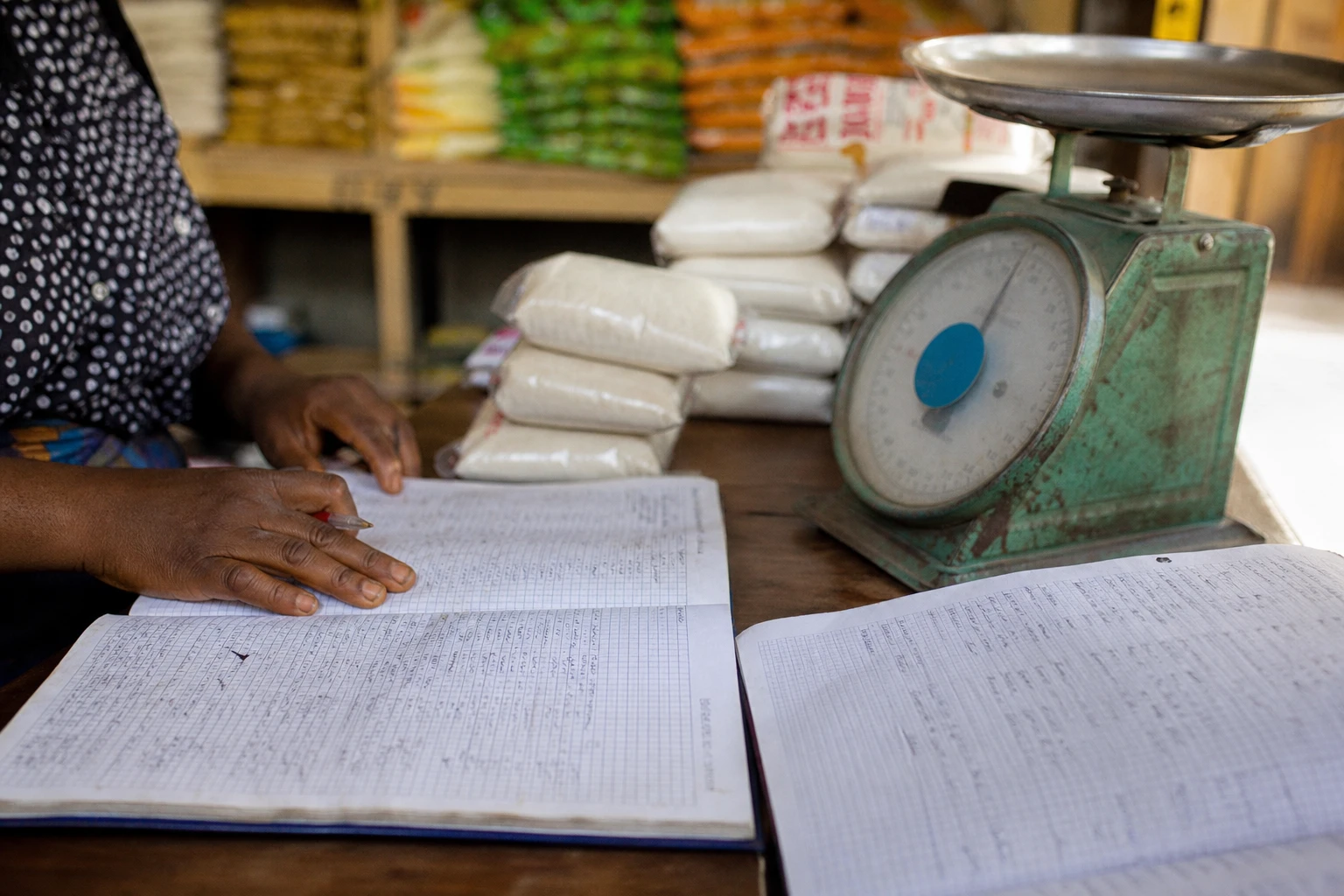
When schools become frontline public health posts
In Bunia, the start of the school year is no longer just about exercise books and uniforms. It is also about simple actions that can break the chain of Ebola transmission. In a province where the disease continues to weigh on families, schools have become places of vigilance as well as learning.
This choice is no minor matter. In the Democratic Republic of the Congo, awareness campaigns rarely succeed without community relays. Schools provide just such a link. A pupil listens, remembers and repeats. Then they go home with clear messages about handwashing, early alerts, isolating the sick and avoiding risky contact. In an epidemic, this flow of information matters as much as official announcements.
Ituri, the epicentre of a response still under pressure
Ituri province remains at the heart of the 17th Ebola epidemic recorded in the DRC. The virus is circulating in a challenging environment: population displacement, unequal access to some areas, security tensions and exhausted health teams. This combination complicates surveillance and sometimes delays the arrival of care. The World Health Organization also points out that the response depends not only on medical facilities, but on community engagement.
The Congolese government and technical partners confirmed over the summer that the epidemic had taken hold in several eastern provinces of the country. Figures published by the authorities and reported by international media show more than 6,100 confirmed cases and more than 3,000 deaths as of 2 September 2026, with six provinces affected. Ituri accounts for most of the epidemic burden.
The country has also received vaccine support, described by the WHO and Africa CDC in late August as an important step, but not a sufficient solution. Vaccines and treatments help. They do not replace prevention among families, at markets, in churches and in schools.
What Ituri’s authorities are asking of schools
At the official launch of the 2026-2027 school year in Bunia on Tuesday 1 September, Ituri’s military governor, Major General Gaby Kasongo Mulumba, asked schools to organise weekly Ebola awareness sessions. The aim is to make prevention a regular event, rather than an occasional reminder triggered by an alert.
The announced plan follows a policy already set by the Ministry of National Education and New Citizenship. In areas affected by the epidemic, the school year began as planned on 1 September 2026, with arrangements varying according to the level of risk: in-person classes with enhanced measures in some areas, limited distance learning in sectors classified as high-risk, and schools retained as educational service points.
In Ituri’s schools, the moments chosen are very practical: the flag salute, the break before recreation and dismissal. This choice says much about the strategy. The aim is not to turn schools into health centres, but to use their routines to establish health-conscious habits. Education officials have also been trained to recognise risky behaviour and pass on the right messages to families.
A health decision, but also a social one
The measure responds to genuine concern. Before the school year began, parents and teachers had called for classes to be postponed in the areas most exposed to the disease. Their fear was straightforward: that classrooms would become additional places of gathering in a province already under strain. The authorities have made a different bet: to maintain educational continuity while adding more safeguards.
This bet has different effects on different groups. For urban families in Bunia, it mainly means a relatively controlled return to school, with more instructions and vigilance. For households in rural areas, particularly where access to care is slower, it can serve as an early-warning safety net. For teachers, it adds a health role to an already demanding educational one. For pupils, it turns the classroom into a place for civic education and public health.
The strategy rests on a simple idea: information repeated at the right time can save time, and therefore lives. In Ituri, the authorities are relying on local relays rather than top-down messages alone. It is a pragmatic approach, suited to a province where trust, access and rapid alerts remain decisive.
A lesson that goes beyond Ituri
The significance of this decision extends beyond the province. It affects the whole of the DRC, as well as Central Africa and neighbouring countries in the Great Lakes region, where human mobility crosses borders faster than health systems can respond. The Congolese experience is a reminder that epidemics are also fought through schools, local voices and neighbourhood organisation, not only through referral hospitals.
It also points to a broader debate about African health sovereignty. Africa CDC and the WHO stressed in August the need for a response led with communities, not merely for them. The DRC illustrates a crucial point: regional systems, vaccines and experts are not enough if local institutions cannot embed preventive practices in everyday life.
What happens next will depend on three factors: the evolution of cases in Ituri, the ability to keep schools open without increasing risks, and the continued operation of the vigilance network in the coming weeks. In the DRC, the 2026-2027 school year thus shows how a classroom can become, in its own way, a link in the national response.