
 Algeria
 Egypt
 Libya
 Morocco
 Sudan
 Tunisia
 Benin
 Burkina Faso
 Cabo Verde
 Côte d'Ivoire
 Ghana
 Guinea
 Guinea-Bissau
 Liberia
 Mali
 Mauritania
 Niger
 Nigeria
 Senegal
 Sierra Leone
 The Gambia
 Togo
 Cameroon
 Central African Republic
 Chad
 Equatorial Guinea
 Gabon
 Republic of the Congo
 São Tomé and Príncipe
 Burundi
 Comoros
 Djibouti
 Eritrea
 Ethiopia
 Kenya
 Madagascar
 Malawi
 Mauritius
 Mozambique
 Rwanda
 Seychelles
 Somalia
 South Sudan
 Tanzania
 Uganda
 Angola
 Botswana
 Eswatini
 Lesotho
 Namibia
 South Africa
 Zambia
 Zimbabwe
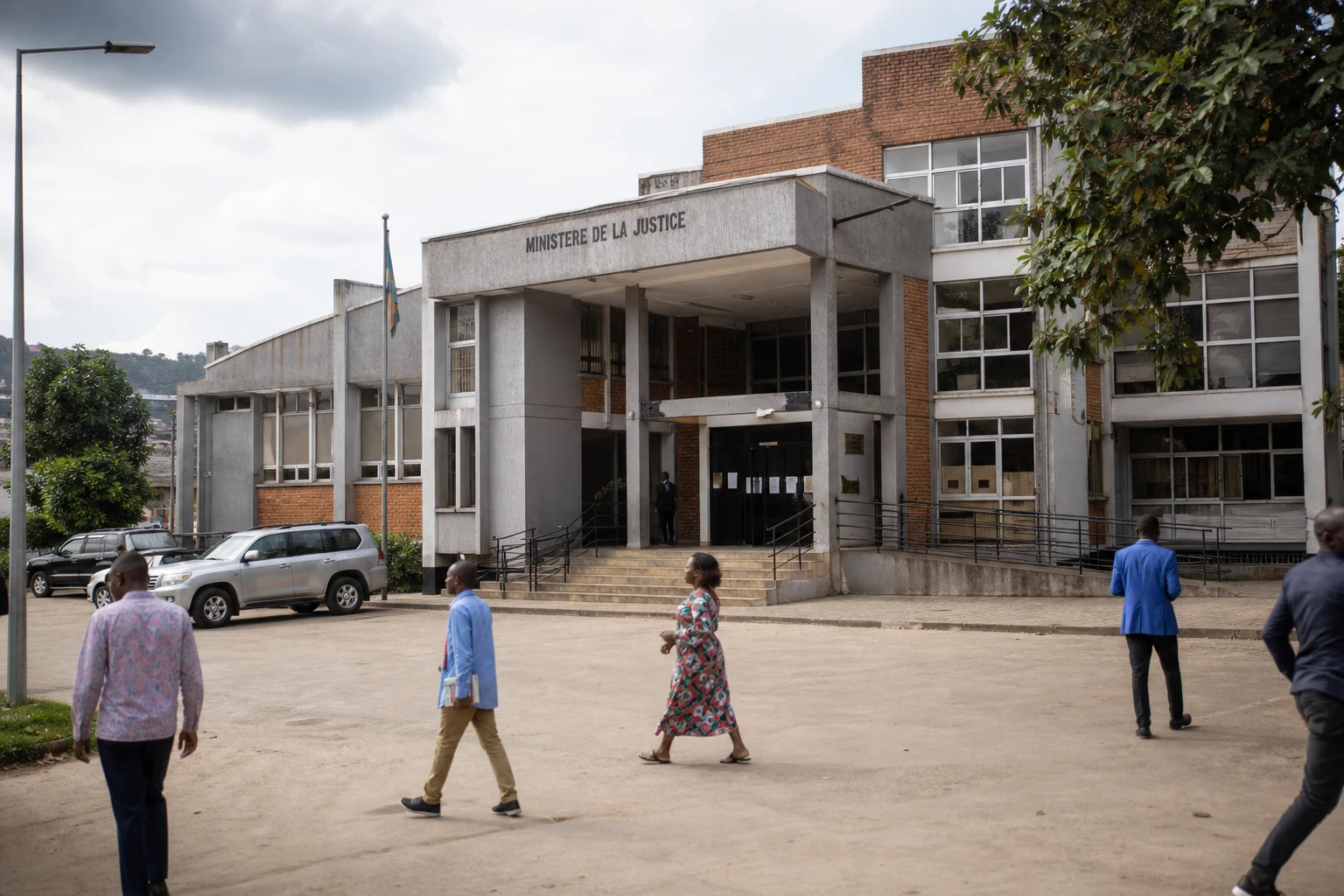
A local memory, a national problem
In Kasika, in Mwenga territory, commemoration is about more than remembrance. It also reflects the state of a country where victims are still waiting for a judicial response commensurate with the crimes they suffered. In the east of the Democratic Republic of the Congo, people in South Kivu continue to live with this tension: remembering, yes, but with no justice in sight.
This wait weighs all the more heavily because the Congolese east remains unstable. In 2026, the UN still says that North Kivu, South Kivu and Ituri provinces account for most forced displacement in the DRC, with millions of people uprooted. The UN High Commissioner for Refugees estimates that there are 6.9 million internally displaced people in the country, including more than 5 million in these eastern provinces.
Kasika, Kilungutwe and Kalama: documented crimes
On 23 and 24 August 1998, the localities of Kasika, Kilungutwe and Kalama were struck by extremely brutal violence. The UN Mapping Report, published in 2010, documents the massacre among the most serious violations committed in the DRC between 1993 and 2003. It attributes the killings to ANC/APR soldiers and refers to more than 1,000 civilians killed, as well as rape, torture, mutilation and the burning of numerous homes.
The UN document also states that the massacre was presented as retaliation for a deadly ambush the previous day. This chronology sheds light on the logic of war that turned villages into targets. Above all, it is a reminder that attacks on civilians were neither accidental nor isolated.
In local memory, the name Kasika is also associated with Mwami François Mubeza and several religious figures killed during the events. These details, already noted in the Mapping Report, give the tragedy a very strong social and customary significance. In Mwenga, the attack shattered families, but also a community order.
The calendar speaks of persistence. Twenty-eight years after the events, on 24 August 2026, Denis Mukwege again called for truth, justice, reparations and guarantees of non-recurrence for the victims. His statement follows a consistent line: for years, the Bukavu gynaecologist has linked Kasika to all the violence committed in the Congolese east.
Why impunity remains at the heart of the debate
The core of Denis Mukwege’s message is simple: without trials, commemoration is incomplete. He is urging Kinshasa and international partners to seriously reopen the case of the crimes documented in the Mapping Report and establish a credible judicial mechanism. According to positions reported in recent weeks, he supports the idea of a special court, mixed chambers or an internationalised mechanism within the Congolese justice system.
This demand concerns several levels of responsibility. It applies to direct perpetrators, but also to alleged instigators, whether military officers, members of armed groups or political leaders. In this view, the issue is not merely moral. It is institutional. As long as impunity prevails, victims feel that the state protects accounts of war better than the rights of civilians.
The issue goes far beyond Kasika. In June 2026, the UN was still reporting fighting and renewed concerns in South Kivu, while also referring to support for the implementation of a ceasefire in the Kivus. Meanwhile, MONUSCO continued to operate after its withdrawal from South Kivu, decided in 2024, as the east of the country remained under security pressure. This sequence shows a reality familiar to Congolese people: the landscape of armed groups changes, but civilians remain exposed.
What Kasika still says to the DRC and Central Africa
Kasika is not a case from the past. It is a test for Congolese justice, the credibility of reforms and the state’s ability to address mass crimes through means other than annual tributes. In the DRC, transitional justice is often invoked, but rarely given the political and financial resources it needs. Discussions about reparations, the creation of dedicated funds or the establishment of specialised mechanisms remain fragile in the face of security and budget crises.
For victims, the stakes are tangible. They want names, dates and responsibilities established, followed by genuine reparations. For families, this means breaking the silence imposed by time. For the communities of Mwenga and South Kivu, it also means recognising customary, religious and civil memory as a legitimate part of the national narrative.
At the regional level, Kasika also raises a question that Central Africa knows all too well: how can lasting peace be built without a response to war crimes, without a serious investigation and without the protection of civilians? As long as there is no answer, South Kivu will remain a cause for concern. And the DRC will continue to bear, in its eastern provinces, the weight of a history that refuses to close.



