Algeria
 Egypt
 Libya
 Sudan
 Tunisia
 Benin
 Burkina Faso
 Cabo Verde
 Côte d'Ivoire
 Ghana
 Guinea
 Guinea-Bissau
 Liberia
 Mali
 Mauritania
 Niger
 Nigeria
 Senegal
 Sierra Leone
 The Gambia
 Togo
 Cameroon
 Central African Republic
 Chad
 DR Congo
 Equatorial Guinea
 Gabon
 Republic of the Congo
 São Tomé and Príncipe
 Burundi
 Comoros
 Djibouti
 Eritrea
 Ethiopia
 Kenya
 Madagascar
 Malawi
 Mauritius
 Mozambique
 Rwanda
 Seychelles
 Somalia
 South Sudan
 Tanzania
 Uganda
 Angola
 Botswana
 Eswatini
 Lesotho
 Namibia
 South Africa
 Zambia
 Zimbabwe
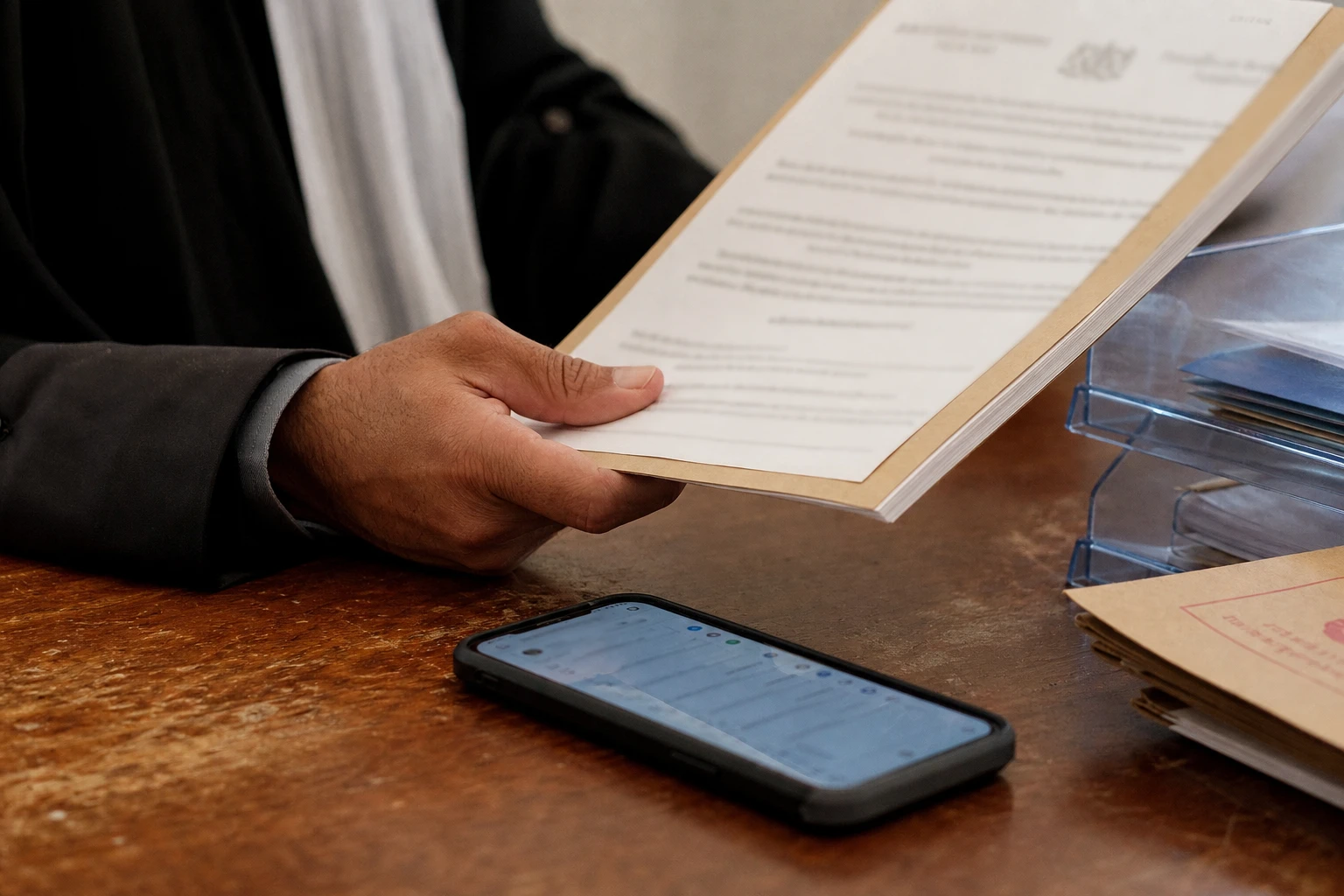
A holiday trip turns into a legal case
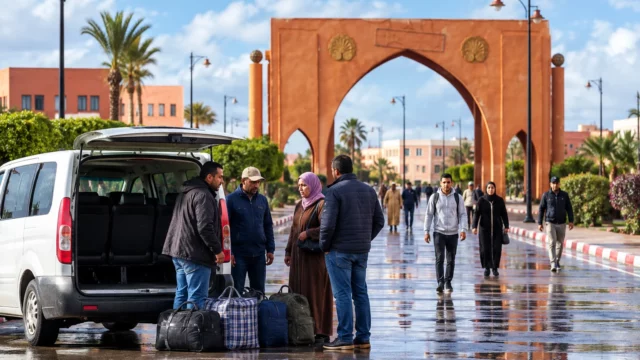
In Marrakech, a video filmed inside a taxi was enough to turn an ordinary stay into a criminal case. For content creators travelling between France, the Maghreb and the rest of the continent, the episode is a reminder of a simple reality: a phone can leave a heavier mark than a passport. In Yass Naubelle’s case, the clip left social media and entered the realm of Moroccan justice.
Morocco, whose capital is Rabat, has for several years faced recurring tensions between online expression, the protection of public order and criminal prosecutions over posts deemed offensive or false. These tensions do not affect only political activists. They also touch internet users, bloggers, influencers and diaspora voices who think they can post from afar without local consequences. The cases of Saida El Alami, Ibtissame Lachgar and Soukaina Janah show that the digital sphere has become a judicial space in its own right.
What we know about the Yass Naubelle case
The available information converges on the essential points. According to several media outlets that have covered the case, the 30-year-old, known on TikTok by the pseudonym Yass Naubelle, was detained on 13 June 2026 at Marrakech-Menara Airport as she was about to board a flight to France. She was subsequently tried in Marrakech and sentenced on 22 June 2026 to one year in prison and a fine of 2,000 dirhams, or about €187 to €190 according to published exchange rates.
The charges, as reported by the Moroccan and Algerian press, relate to the dissemination of allegations deemed false and defamatory, and to insulting a body established by law. In the versions made public, the video concerned road traffic in Morocco and accused some police officers of “trying to get money” during checks. To date, the full judgment has not been made public in the sources consulted, limiting independent verification of the specific passages on which the conviction was based.
The severity of the sentence drew attention because it concerns a short post shared on a social network, rather than a lengthy investigation, leaflet or campaign speech. That is precisely what makes the case revealing. In Morocco, some online posts may be read as mere opinions, while others are interpreted as direct attacks on institutions, public order or the reputation of identifiable people. The line is narrow, and criminal proceedings can move quickly.
A case that must also be seen in the Moroccan context
The case did not emerge in a political vacuum. Amnesty International notes that activists and human rights defenders in Morocco have previously faced prosecution over online posts deemed critical of the authorities, the justice system or the conduct of public affairs. Saida El Alami’s conviction was upheld on appeal, while other recent cases have concerned content posted on Facebook, Instagram or TikTok.
In this landscape, Yass Naubelle’s case is primarily a judicial matter, not a diplomatic one. Yet her French-Algerian background adds a sensitive dimension. Media coverage differs from country to country: some Algerian outlets have presented the case as a punishment for criticism deemed minor, while Moroccan media have focused on the accusation against the police and on remarks considered insulting to Moroccans. This divergence shows how the same event is reported differently across the Maghreb’s media landscapes.
The consular dimension, meanwhile, remains limited. Diplomatic assistance can provide support, monitor a case, raise it with the authorities or help the family. It does not replace local criminal proceedings. The sources consulted indicate that no major public statement by the French authorities has been noted so far, fuelling among some supporters a sense that French nationals detained abroad are treated unequally. This is a political and media observation, not proof of a complete lack of consular action.
What the case says about the diaspora and Africa’s digital space
The Yass Naubelle case goes beyond one person. It is a reminder that the Maghrebi and African diaspora lives in a space of constant movement. People can post from Marseille, Brussels or Paris, then return to Marrakech, Rabat, Casablanca or Algiers for a holiday, a family visit or a shoot. Online content is therefore no longer just an act of expression. It also becomes an object of judicial sovereignty as soon as its creator sets foot back in the territory concerned.
For influencers, the lesson is as much economic as legal. A TikTok, Instagram or YouTube account is not an abstract space. It is a reputational asset, and therefore a source of income. A conviction, a ban on using social media or pre-trial detention can bring an activity to a halt within hours. The case of Soukaina Janah, sentenced to ten months in prison and barred from appearing on social media for three years, shows that a penalty can target both the content and the channel through which it is shared.
Across Africa, the issue is broader still. Several states on the continent have tightened controls on digital speech, often in the name of tackling disinformation, threats to public order or protecting institutions. Morocco is no exception to this trend, but it is giving expression to it through an institutional and judicial framework that now also affects highly visible figures, not only political opponents. This requires newsrooms, lawyers and observers to distinguish clearly between criticism, alleged defamation, insult and incitement.
The case’s wider continental significance ultimately lies in one thing: the circulation of narratives. Across Moroccan, Algerian and French media and diaspora websites, a single case can quickly become a symbol of double standards, diplomatic silence or excessively harsh justice. Yet understanding such cases requires keeping the facts at the centre: an arrest on 13 June 2026, a conviction on 22 June 2026, a one-year prison sentence, and a broader debate over the place of public speech in Morocco’s digital space.