
 Algeria
 Egypt
 Libya
 Morocco
 Sudan
 Tunisia
 Benin
 Burkina Faso
 Cabo Verde
 Côte d'Ivoire
 Ghana
 Guinea
 Guinea-Bissau
 Liberia
 Mali
 Mauritania
 Niger
 Nigeria
 Senegal
 Sierra Leone
 The Gambia
 Togo
 Cameroon
 Central African Republic
 Chad
 Equatorial Guinea
 Gabon
 Republic of the Congo
 São Tomé and Príncipe
 Burundi
 Comoros
 Djibouti
 Eritrea
 Ethiopia
 Kenya
 Madagascar
 Malawi
 Mauritius
 Mozambique
 Rwanda
 Seychelles
 Somalia
 South Sudan
 Tanzania
 Uganda
 Angola
 Botswana
 Eswatini
 Lesotho
 Namibia
 South Africa
 Zambia
 Zimbabwe
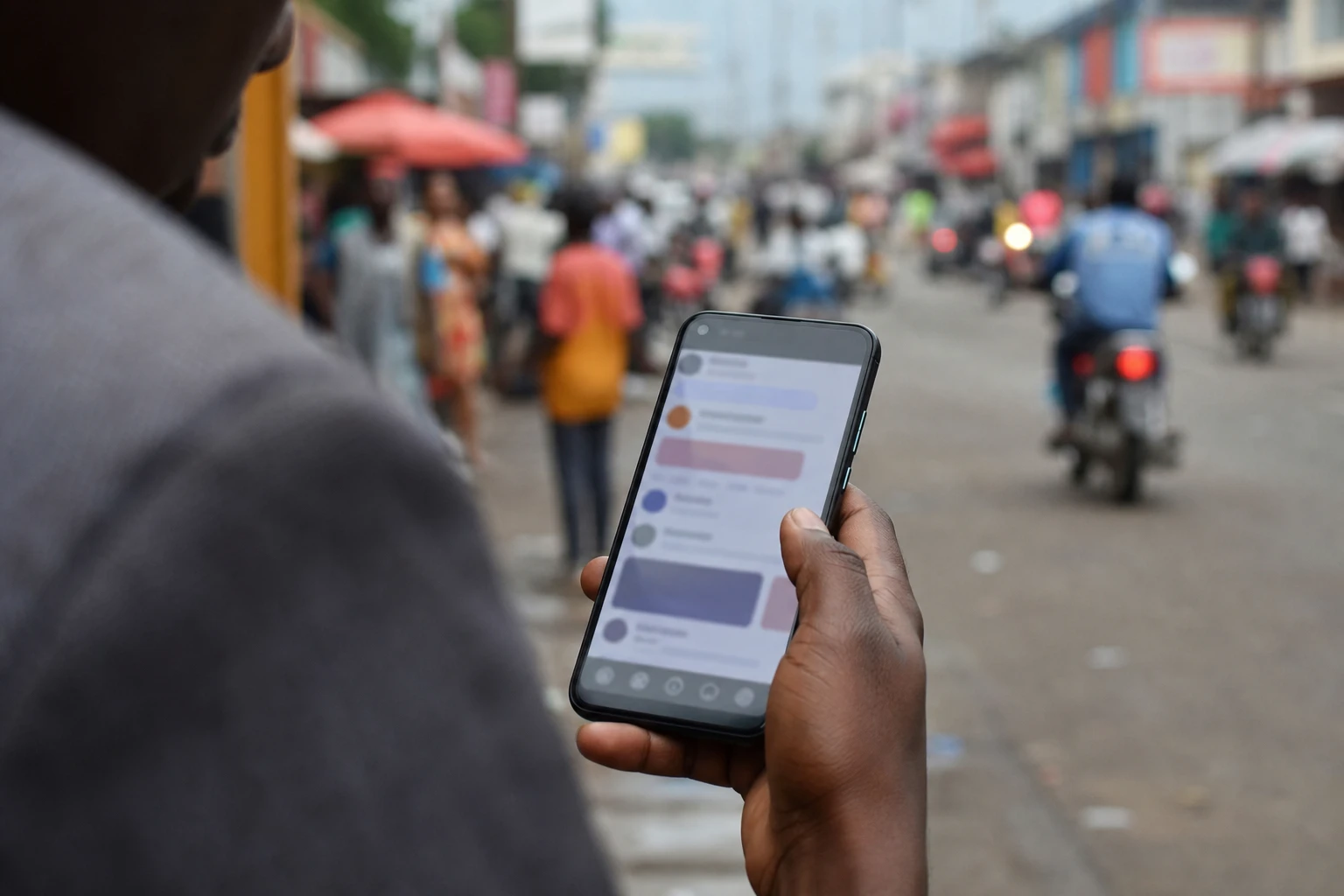
In Bunia, the health response faces distrust
In the east of the Democratic Republic of the Congo, every medical journey can become a race against fear. In Bunia, the capital of Ituri, teams transporting Ebola patients must contend with another front: mistrust, community tensions and attacks on medical transport. The World Health Organization (WHO) reports that a response ambulance was targeted in Bunia, while the province remains the outbreak’s epicentre.
This is not an isolated incident. In Ituri, the health response is proceeding in an environment marked by insecurity, population displacement and often difficult access to health zones. The WHO also notes that the spread of Bundibugyo virus, which is causing the current outbreak, is affecting several areas in the east of the country and requires enhanced surveillance, particularly around Bunia and along transit routes to other provinces.
What the facts on the ground show
On 21 July 2026, from Bunia, Dr Thierno Baldé, the WHO’s incident manager for the Ebola response in DR Congo, said an ambulance had been attacked in the city the previous day. He described recurring assaults on health services and said such incidents occurred almost every day. His message is clear: when transfer vehicles are targeted, the rapid isolation of cases, treatment and contact tracing become more difficult.
This warning is part of a broader picture. The WHO and Congolese authorities confirmed the Bundibugyo virus disease outbreak in Ituri on 31 May 2026. On 11 July, the organisation reported 1,926 confirmed cases and 702 cumulative deaths, according to the National Institute of Public Health. A few days later, the WHO’s African office said Ituri remained at the heart of the outbreak, accounting for more than 90% of cases and 80% of deaths, according to data presented in Geneva by Dr Baldé.
The health situation is compounded by other constraints. The WHO has said that there is neither an approved vaccine nor a recognised specific treatment for the Bundibugyo strain, making rapid testing, contact tracing and supportive care even more critical. At the same time, the UN agency said the crisis had struck an area with high levels of mobility, chronic insecurity and a dense network of informal care providers.
Why ambulances have become a sensitive target
An ambulance is more than just a vehicle. During an Ebola outbreak, it connects a home to a treatment centre, and sometimes suspicion to medical confirmation. When it is attacked, the entire response chain is weakened: patient transfers are delayed, teams hesitate to go out, families withdraw and rumours spread. In Bunia, response officials also acknowledge that insecurity is compounded by delays in payments to service providers, affecting the availability of teams.
Tensions surrounding the response are not limited to ambulances. In Ituri, funeral teams and health facilities have already been targeted in clashes. The Associated Press reported that at least a dozen attacks on health facilities and workers had been recorded during the outbreak, alongside strikes over pay in several services. Radio Okapi also reported in early June that four responders had been injured in clashes during an Ebola-related funeral in Bunia.
These episodes reveal a central fact: the fight against Ebola depends not only on supplies, tests or beds. It also rests on trust. When residents believe the disease is being concealed, poorly explained or managed without their involvement, the response loses its most important ally. The WHO has said as much in its recent messages in Ituri: community dialogue remains a pillar of the strategy. In Kigonze, near Bunia, community workers have been mobilised to turn fear into shared information and encourage acceptance of testing and care.
A Congolese challenge, but also a regional one
The situation in Ituri extends beyond the province. The 2026 outbreak has already spread across several health zones and prompted alerts in other provinces in the east of DR Congo. The WHO has even reported imported cases in Kisangani, in Tshopo, confirming that internal mobility could widen the crisis if transfers, surveillance and information do not keep pace. In a country the size of a continent such as DR Congo, an outbreak that is not contained can quickly become an interprovincial problem.
The regional dimension is just as important. On 17 May 2026, the WHO declared the Ebola virus disease outbreak in DR Congo and Uganda a public health emergency of international concern. Eastern Congo shares roads, markets, mining flows and border crossings with neighbouring countries. This means the quality of the response in Bunia, Mongbwalu or Rwampara has an impact beyond Congo’s borders. In this context, the East African Community and humanitarian partners are closely monitoring the movement of people, especially in transit areas.
For Kinshasa, the challenge is twofold. It must protect health workers and restore access to care without fuelling the perception that the response is being imposed from above. For residents of Bunia and nearby communities, the need is more immediate: being able to transport a sick person without the vehicle being seen as a threat, burying a loved one with dignity, and seeking care early rather than late. Until this equation is resolved, the response will remain fragile, even with more vehicles, partners and prevention messages. The coming weeks will show whether the logistical boost announced in Bunia, community mobilisation and the securing of transfer routes are enough to slow an outbreak advancing in a region already battered by forced displacement and local tensions.



