Algeria
 Egypt
 Libya
 Morocco
 Sudan
 Tunisia
 Benin
 Burkina Faso
 Cabo Verde
 Côte d'Ivoire
 Ghana
 Guinea
 Guinea-Bissau
 Liberia
 Mali
 Mauritania
 Niger
 Nigeria
 Senegal
 Sierra Leone
 The Gambia
 Togo
 Cameroon
 Central African Republic
 Chad
 Equatorial Guinea
 Gabon
 Republic of the Congo
 São Tomé and Príncipe
 Burundi
 Comoros
 Djibouti
 Eritrea
 Ethiopia
 Kenya
 Madagascar
 Malawi
 Mauritius
 Mozambique
 Rwanda
 Seychelles
 Somalia
 South Sudan
 Tanzania
 Uganda
 Angola
 Botswana
 Eswatini
 Lesotho
 Namibia
 South Africa
 Zambia
 Zimbabwe
An outbreak spilling beyond health borders
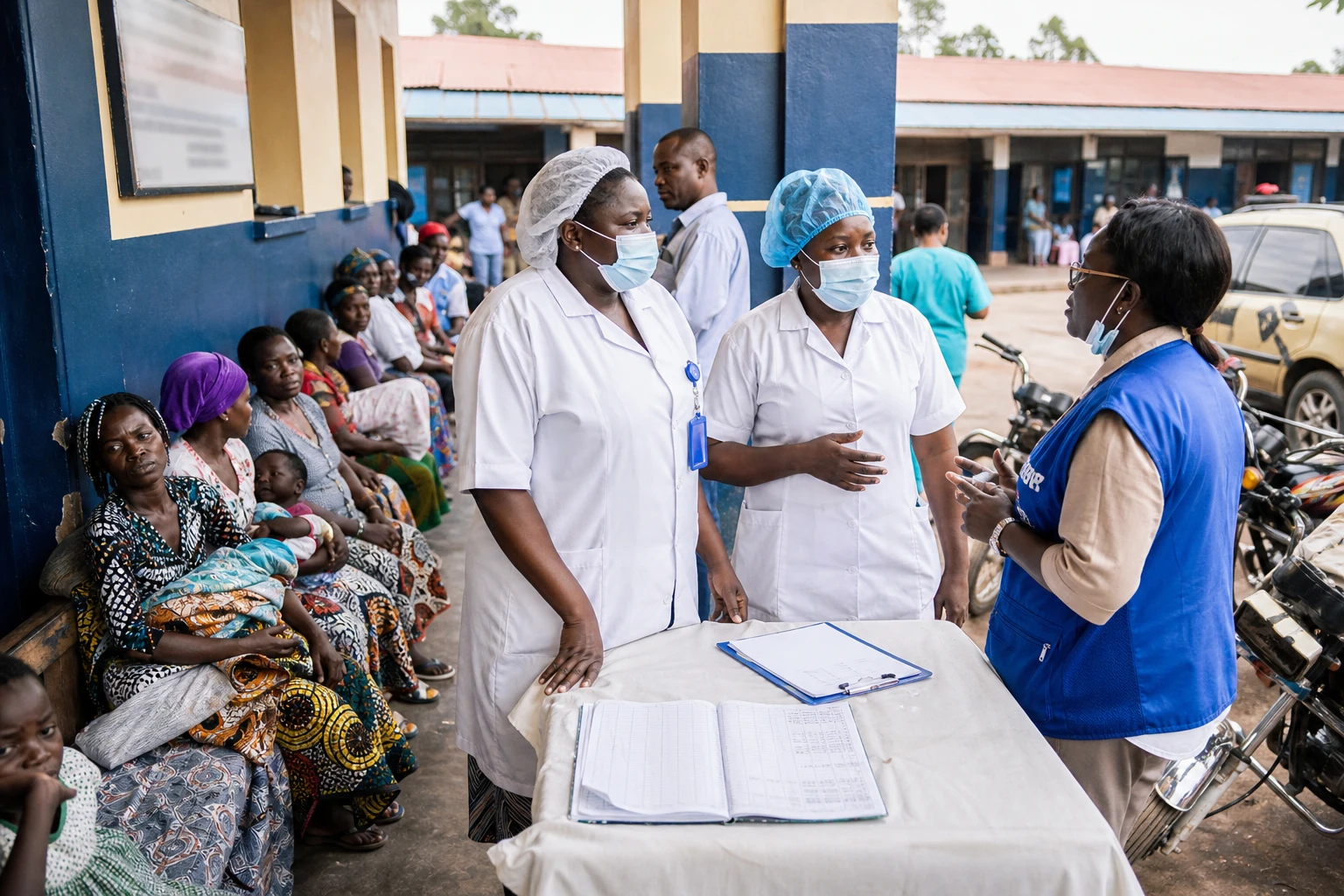
In the Democratic Republic of the Congo, an epidemic is never just a tally of cases. It also reveals the strength—or fragility—of a health system confronting remoteness, population mobility and insecurity. In the east of the country, the response to Bundibugyo Ebola is shaped by precisely these realities: isolated areas, constant movement and epidemiological surveillance under strain.
The alert was issued by Congolese authorities on 15 May 2026 and recognised as a public health emergency of international concern by the World Health Organization on 17 May. A few days later, Africa CDC also classified the event as a public health emergency of continental security. In other words, the crisis is not only Congolese: it already affects public health in Central Africa and the Great Lakes region.
What the figures show, and why they matter
As of 15 July 2026, the WHO reported 2,124 confirmed cases and 828 deaths in the Democratic Republic of the Congo. On 17 July, it said the outbreak was continuing to spread rapidly, with transmission still active. Congolese health authorities had already reported hundreds of suspected and confirmed cases in Ituri, North Kivu and South Kivu provinces at the end of May.
Data released by Congolese authorities on 28 May recorded 125 confirmed cases and 17 confirmed deaths, but that tally was quickly overtaken as contact tracing, laboratory testing and reporting of cases in outlying areas intensified. This rapid increase reflects not only the spread of the virus but also improved detection capacity, in a country where many deaths occur far from healthcare facilities.
The critical factor is speed. The WHO described transmission as exceptional, and its reports showed a gradual spread to several health zones. Geographic expansion beyond the initial outbreak area in Ituri made tracing more difficult—a key link in breaking chains of transmission. In this kind of epidemic, every day counts.
Bundibugyo, a rare strain that complicates the response
The virus responsible is a rare Ebola strain: Bundibugyo. The WHO says that, to date, there is no approved vaccine or specific treatment approved for this form of the disease. Trials and vaccine candidates are under way, but the response still relies on conventional measures: rapid testing, isolation, supportive care, contact tracing, infection prevention and safe burials.
This scientific rarity has very tangible consequences. Available tools have largely been developed for other Ebola species, particularly the more common Zaire strain. For Bundibugyo, the medical response is advancing, but protection has yet to be fully established. The WHO has nonetheless paved the way for clinical trials and the assessment of candidate vaccines, showing that research is adapting, but under pressure.
On the ground, this changes the order of priorities. Hospitals in Bunia, treatment centres and surveillance teams are not only fighting a viral disease. They are also managing community trust, access to healthcare, the spread of sometimes contradictory information and the protection of health workers. The virus’s impact on healthcare staff is a reminder that breaches of hygiene protocols cost lives very quickly.
DR Congo faces an outbreak that is also affecting its social economy
In Kinshasa, the response is being directed at the highest level of government. Prime Minister Judith Suminwa Tuluka coordinated the initial decisions, while the Ministry of Health made repeated trips to Bunia and held discussions with MPs from Ituri. The government has also reopened debate on health infrastructure, particularly in areas where the movement of people and goods remains vital to the local economy.
For residents, the stakes go beyond the disease itself. An Ebola outbreak slows markets, disrupts transport, reduces visits to health centres and can deter pregnant women, families and informal workers from travelling to public services. In eastern DR Congo, where economic activity depends heavily on small businesses, regional roads and cross-border trade, a health alert has an immediate economic impact.
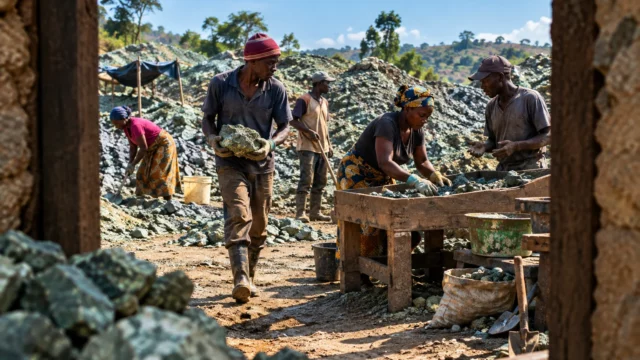
The regional dimension is just as clear. Uganda has confirmed cases linked to importation from DR Congo, and South Sudan has taken part in cross-border coordination meetings. Africa CDC has highlighted the risk of spread to neighbouring countries because of population movements, mining activity and insecurity. This is therefore not just a national episode, but a test of health governance for the entire Great Lakes region.
A continental impact extending beyond DR Congo
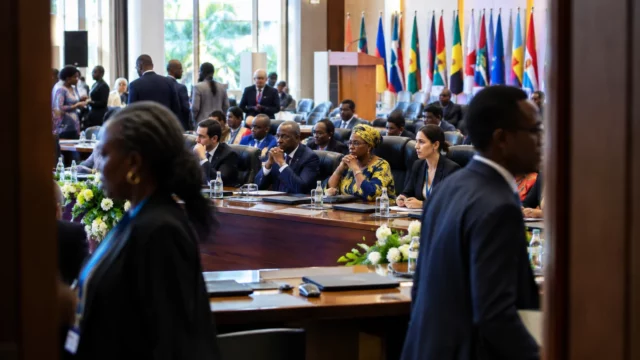
This crisis says something important about the continent: Africa does not lack expertise, but it remains at a disadvantage when detection comes late, laboratories are far away and scientific research does not always keep pace with the real diversity of viruses. The joint plan launched by Africa CDC and the WHO in June 2026, with a US$518 million funding appeal, shows that Africa’s response now involves an explicit commitment to continental coordination.
The precedent is familiar. DR Congo has already faced several Ebola outbreaks, and the WHO says this is the country’s 17th since the virus was identified in 1976. This experience has built strong local expertise, but also institutional fatigue. The next areas of concern are clear: the effectiveness of tracing, healthcare coverage and the capacity to stop transmission beyond surveillance. In the weeks ahead, that is where the difference will be made between a contained outbreak and a more enduring regional crisis.