
 Algeria
 Egypt
 Libya
 Morocco
 Sudan
 Tunisia
 Benin
 Burkina Faso
 Cabo Verde
 Côte d'Ivoire
 Ghana
 Guinea
 Guinea-Bissau
 Liberia
 Mali
 Mauritania
 Niger
 Nigeria
 Senegal
 Sierra Leone
 The Gambia
 Togo
 Cameroon
 Central African Republic
 Chad
 Equatorial Guinea
 Gabon
 Republic of the Congo
 São Tomé and Príncipe
 Burundi
 Comoros
 Djibouti
 Eritrea
 Ethiopia
 Kenya
 Madagascar
 Malawi
 Mauritius
 Mozambique
 Rwanda
 Seychelles
 Somalia
 South Sudan
 Tanzania
 Uganda
 Angola
 Botswana
 Eswatini
 Lesotho
 Namibia
 South Africa
 Zambia
 Zimbabwe
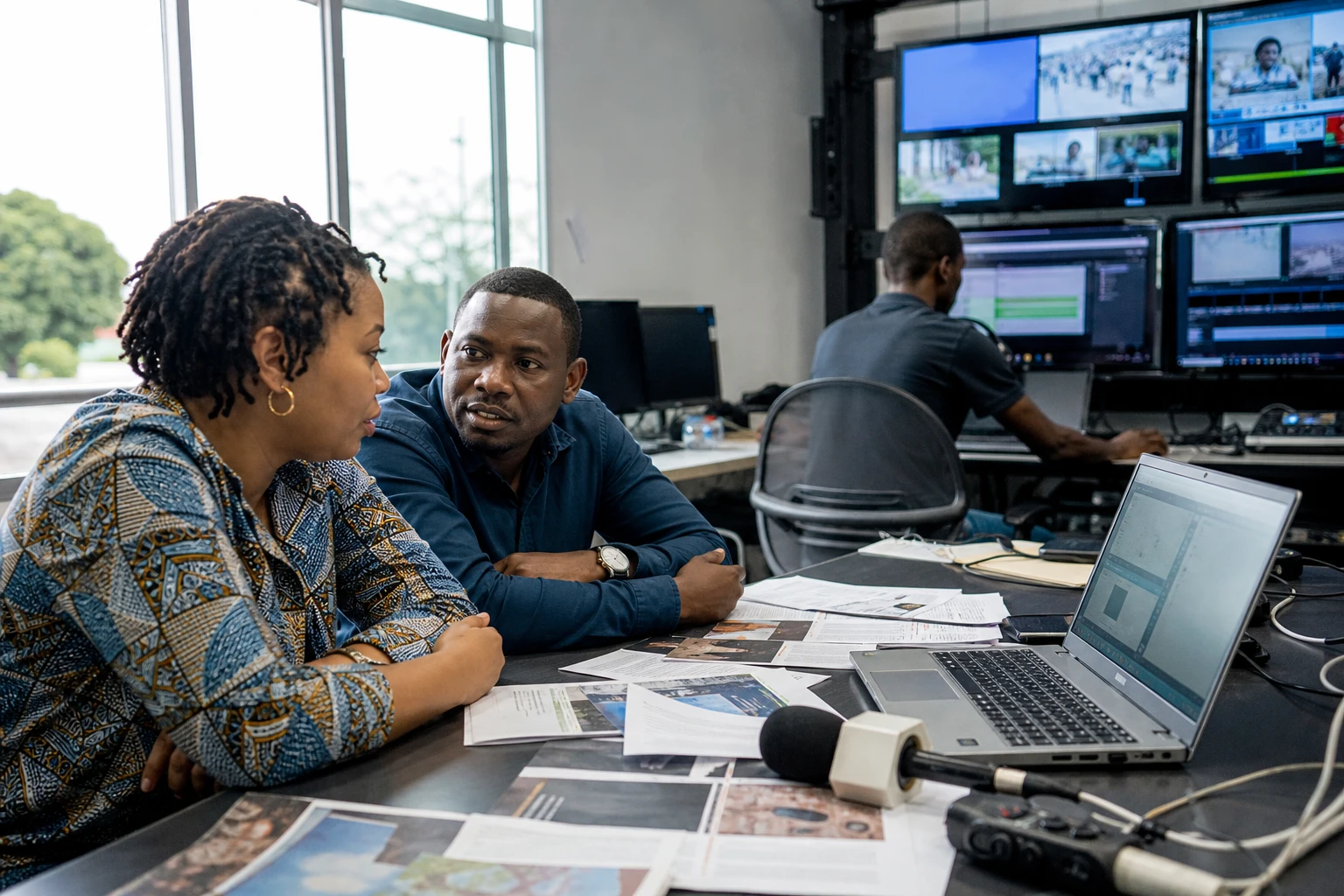
An outbreak that extends beyond healthcare
In eastern Democratic Republic of the Congo, the fight against Ebola is not taking place only in treatment centres. It is also being waged on roads, in markets, at border posts and in areas where people continue to move in large numbers. In a country as vast as DR Congo, where power is concentrated in Kinshasa but crises often begin far from the capital, every delay in detection turns a local alert into a national problem.
The current outbreak involves the Bundibugyo strain, a variant of the Ebola virus for which there is currently no approved vaccine or specific treatment. The WHO confirmed that the outbreak declared in May 2026 was unfolding amid a humanitarian crisis, insecurity and extensive cross-border movement, increasing the need for surveillance, contact tracing and community engagement. Africa CDC, for its part, classified the outbreak as a continental public health emergency on 18 May 2026.
The WHO’s latest figures show that the situation remains worrying. As of 9 August 2026, DR Congo had recorded 4,381 confirmed cases and 2,011 deaths, with a case fatality rate of 45.9%. Ituri remained the epicentre, accounting for 85.8% of cumulative cases and 80.6% of deaths. The WHO says the 2,000-death threshold was crossed just 86 days after the official declaration on 15 May. In other words, the outbreak spread rapidly, faster than the response teams on the ground could cope.
These figures help explain why the disease outpaced response teams. On 5 May 2026, the WHO was alerted to an outbreak of an unknown disease in the Mongbwalu health zone in Ituri. On 15 May, Congolese authorities confirmed the outbreak. Then, on 17 May, the WHO declared it a public health emergency of international concern. The organisation later said the first cases had probably begun in February, suggesting that the virus was circulating well before the official alert.
When surveillance falters, the virus gains ground
The delay in detection is not a technical detail. It changes the course of an outbreak. In emergencies, a few weeks are enough to break the chains of transmission. Here, several signs point to a surveillance network that was too weak to catch the first cases in time. The WHO said that some transmission chains remained unknown and that many deaths were occurring in communities, outside healthcare facilities and beyond the lists of monitored contacts.
The issue also touches on DR Congo’s health sovereignty. In June, the country’s health authorities said the response involved Bunia General Hospital, the Elikya treatment centre and several technical and financial partners, including Médecins Sans Frontières. The ministry also put epidemiological surveillance at the heart of its response, with a page dedicated to Ebola/Bundibugyo and active monitoring in place since 15 May 2026. This shows that Kinshasa wants to take charge of interpreting the data, coordinating the response and issuing early warnings.
Coordination does not stop at national borders. The health ministers of DR Congo, Uganda and South Sudan met in Kampala on 22 and 23 May 2026 to strengthen the cross-border response, alongside Africa CDC, the WHO, UNICEF and other partners. This was essential, because Ituri shares transport routes with Uganda, while human and commercial exchanges can accelerate the spread of the virus to other provinces and neighbouring countries.
The WHO’s assessment that the virus was probably circulating as early as February, combined with the surge in cases over a few weeks, highlights a structural weakness: without local surveillance, stable funding and community trust, alerts come too late. This is also why the WHO and Africa CDC stress community engagement, the protection of healthcare workers and close monitoring of contacts. In an area marked by insecurity, the challenge is not only medical; it is logistical, social and political.
A test for DR Congo and for all of Central Africa
The current response has implications beyond DR Congo. The WHO has already reported cases imported from the country, including a doctor evacuated to Germany and a humanitarian worker transferred from DR Congo in July 2026. These incidents are a reminder that an outbreak concentrated in eastern Congo can quickly become a regional and international concern. Monitoring points of entry, preparing neighbouring countries and coordinating healthcare are therefore not optional; they have become essential to stability across Central Africa and the Great Lakes region.
This is not DR Congo’s first fight against Ebola. The country has experienced 17 outbreaks since 1976, according to US health authorities and the WHO, including a first Bundibugyo outbreak in 2012. But the context in 2026 is unusual: there is no licensed vaccine specific to the strain in circulation, forcing the response to adapt in real time. The WHO has recommended using Ervebo, a vaccine authorised against the Zaire strain, in a phase 3 clinical trial, while research continues elsewhere on candidates targeting Bundibugyo.
For people in Ituri, North Kivu and neighbouring areas, the stakes are immediate: access diagnosis quickly, isolate cases, protect families and prevent routine healthcare from collapsing under the pressure of the outbreak. For the Congolese state, the challenge is broader: to prove it can detect outbreaks earlier, coordinate more effectively and strengthen the health system for the long term, rather than relying solely on emergency responses. Across Africa, the outbreak is a reminder of an often-forgotten truth: robust health security must be built on the continent, through strong institutions, reliable surveillance networks and regular regional cooperation.



