
 Algeria
 Egypt
 Libya
 Morocco
 Sudan
 Tunisia
 Benin
 Burkina Faso
 Cabo Verde
 Côte d'Ivoire
 Ghana
 Guinea
 Guinea-Bissau
 Liberia
 Mali
 Mauritania
 Niger
 Nigeria
 Senegal
 Sierra Leone
 The Gambia
 Togo
 Cameroon
 Central African Republic
 Chad
 Equatorial Guinea
 Gabon
 Republic of the Congo
 São Tomé and Príncipe
 Burundi
 Comoros
 Djibouti
 Eritrea
 Ethiopia
 Kenya
 Madagascar
 Malawi
 Mauritius
 Mozambique
 Rwanda
 Seychelles
 Somalia
 South Sudan
 Tanzania
 Uganda
 Angola
 Botswana
 Eswatini
 Lesotho
 Namibia
 South Africa
 Zambia
 Zimbabwe
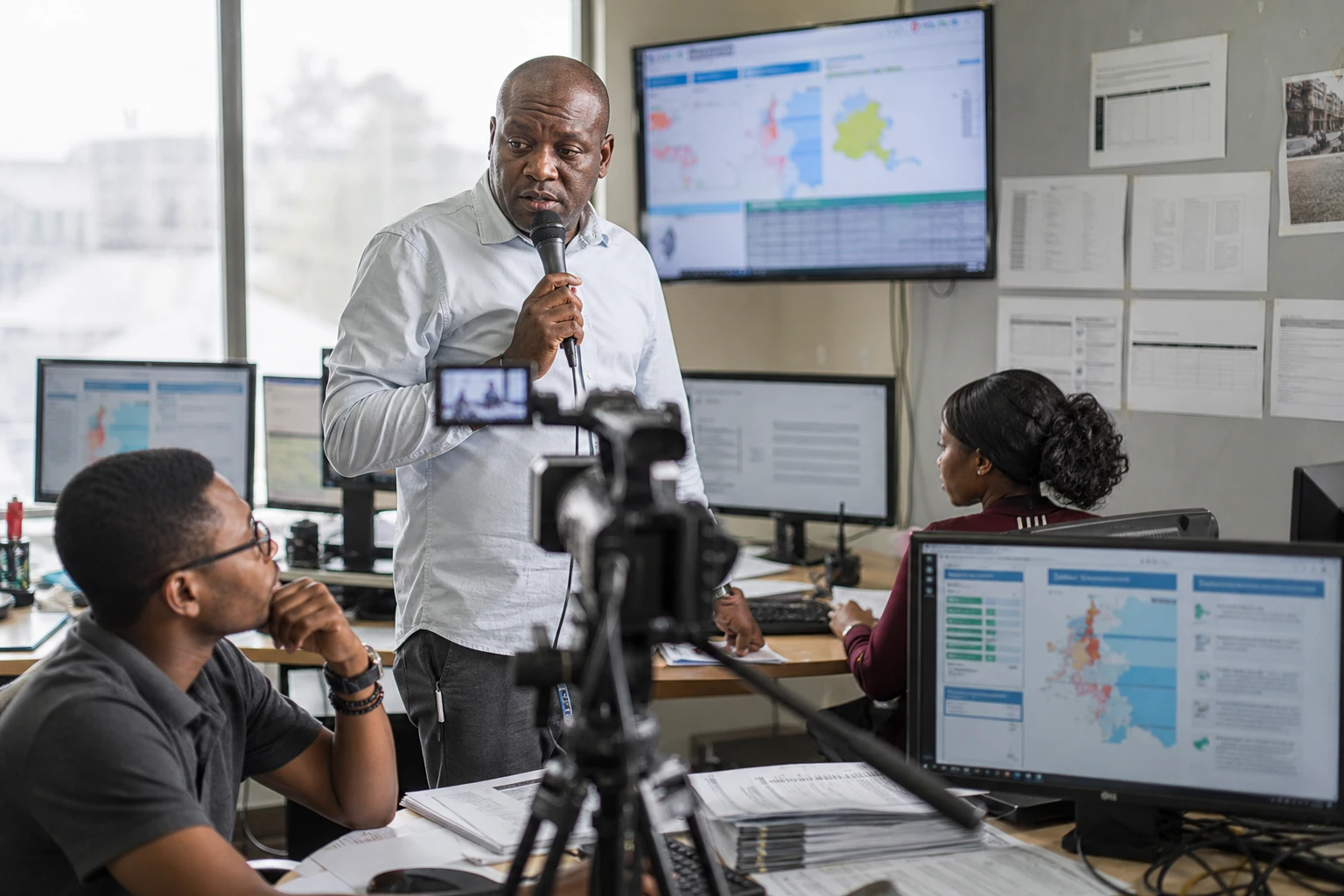
An outbreak spilling beyond the usual reach of the response
In eastern Democratic Republic of the Congo, Ebola is no longer confined to a few isolated health zones. The outbreak is taking hold, moving with local patterns of mobility and crossing administrative boundaries faster than health teams can contain it. The latest public figures from WHO Africa, as of 9 August 2026, report 4 381 confirmed cases and 2 011 deaths, with Ituri still at the centre of the crisis.
That is the challenge for the Congolese: when an epidemic reaches several provinces, it is no longer a simple local outbreak. It becomes a matter of movement, public trust, access to healthcare and coordination between Kinshasa, provincial authorities and regional partners. In eastern Congo, already marked by insecurity and population displacement, every delay in treatment increases the risk of transmission.
What the latest data show
On 15 May 2026, Congolese authorities declared the 17th Ebola outbreak in Ituri. WHO then confirmed it was Ebola Bundibugyo, a strain for which no specific licensed vaccine or treatment is yet available. On 17 May, WHO classified the outbreak as a public health emergency of international concern, while Africa CDC declared it a public health emergency of continental security.
WHO Africa data show a rapid spread. By 5 July, the outbreak had reached 36 health zones, with 956 confirmed cases and 247 deaths. By 9 August, those figures had risen to 4 381 confirmed cases and 2 011 deaths, a case fatality rate of 45.9 %. WHO also says Ituri still accounts for most cases and deaths.
On the ground, the outbreak continued to spread geographically over the following weeks. In July, WHO was already reporting confirmed cases in Haut-Uele and Tshopo, in addition to Ituri, North Kivu and South Kivu. By 9 August, public reports indicated that at least five provinces had been affected. The alert referring to a sixth province therefore points, at a minimum, to continued surveillance and the risk of a wider spread, even though this further step was not yet reflected in the public WHO Africa figures consulted on 9 August.
Why the response remains under pressure
The DRC is not operating on a level playing field. In the east of the country, health facilities are working with limited resources in areas where people are on the move, roads are poor and trust in institutions can be tested. From the start of the outbreak, WHO highlighted the effects of insecurity, the humanitarian crisis, high mobility and the informal healthcare network on the spread of the virus.
The Congolese response has nevertheless taken shape quickly. The Ministry of Public Health, Hygiene and Social Welfare has confirmed its commitment to the response, with field visits to Bunia, discussions with Ituri’s parliamentarians and monitoring of the Elikya treatment centre. These actions matter because they show that the response does not rely solely on international agencies, but also on the Congolese health system and local authorities.
But the central question remains one of resources. WHO Africa had already said that at least $518 million was needed for the joint preparedness and response plan launched with Africa CDC, and that only $264 million had been raised at that point. This shortfall weighs on surveillance, the transport of samples, patient care, vaccination of contacts where tools are available, and especially community engagement, without which no Ebola response can be sustained.
A test for the DRC, but also for Central Africa and the African Union
This outbreak extends beyond Congo’s borders. On 22–23 May, the DRC, Uganda and South Sudan held a cross-border coordination meeting in Kampala, attended by WHO, UNICEF, UNFPA and Africa CDC. The message was clear: when it comes to Ebola, isolated national responses come too late. Regional mechanisms, shared alerts and prepared border posts are needed.
The continental dimension is just as clear. Africa CDC has taken on its coordinating role by declaring the outbreak a public health emergency of continental security. This is an important political signal: Africa is not simply waiting for decisions elsewhere. It can set its own alert level, mobilise member states and organise a joint health response, particularly in a region where routes between the DRC, Uganda, South Sudan and neighbouring countries remain highly porous.
For the Congolese, the stakes are tangible. In cities such as Bunia, Kisangani and Goma, the challenge is to maintain routine healthcare, childbirth services, chronic disease care and monitoring of suspected cases while fighting Ebola. In rural areas, funerals must be made safe, community alerts strengthened and families kept from avoiding health centres out of fear. This is where the difference is made between a contained response and an epidemic that continues to spread.
What happens next will depend on two timelines. The first is public health: breaking chains of transmission before regional mobility further expands the map of affected provinces. The second is political: turning the current alert into lasting investment in health systems, because every Ebola outbreak underlines the same reality in Africa: health security is built before a crisis, not only during an emergency.



