Algeria
 Libya
 Morocco
 Sudan
 Tunisia
 Benin
 Burkina Faso
 Cabo Verde
 Côte d'Ivoire
 Ghana
 Guinea
 Guinea-Bissau
 Liberia
 Mali
 Mauritania
 Niger
 Nigeria
 Senegal
 Sierra Leone
 The Gambia
 Togo
 Cameroon
 Central African Republic
 Chad
 DR Congo
 Equatorial Guinea
 Gabon
 Republic of the Congo
 São Tomé and Príncipe
 Burundi
 Comoros
 Djibouti
 Eritrea
 Ethiopia
 Kenya
 Madagascar
 Malawi
 Mauritius
 Mozambique
 Rwanda
 Seychelles
 Somalia
 South Sudan
 Tanzania
 Uganda
 Angola
 Botswana
 Eswatini
 Lesotho
 Namibia
 South Africa
 Zambia
 Zimbabwe
A gas corridor changing direction
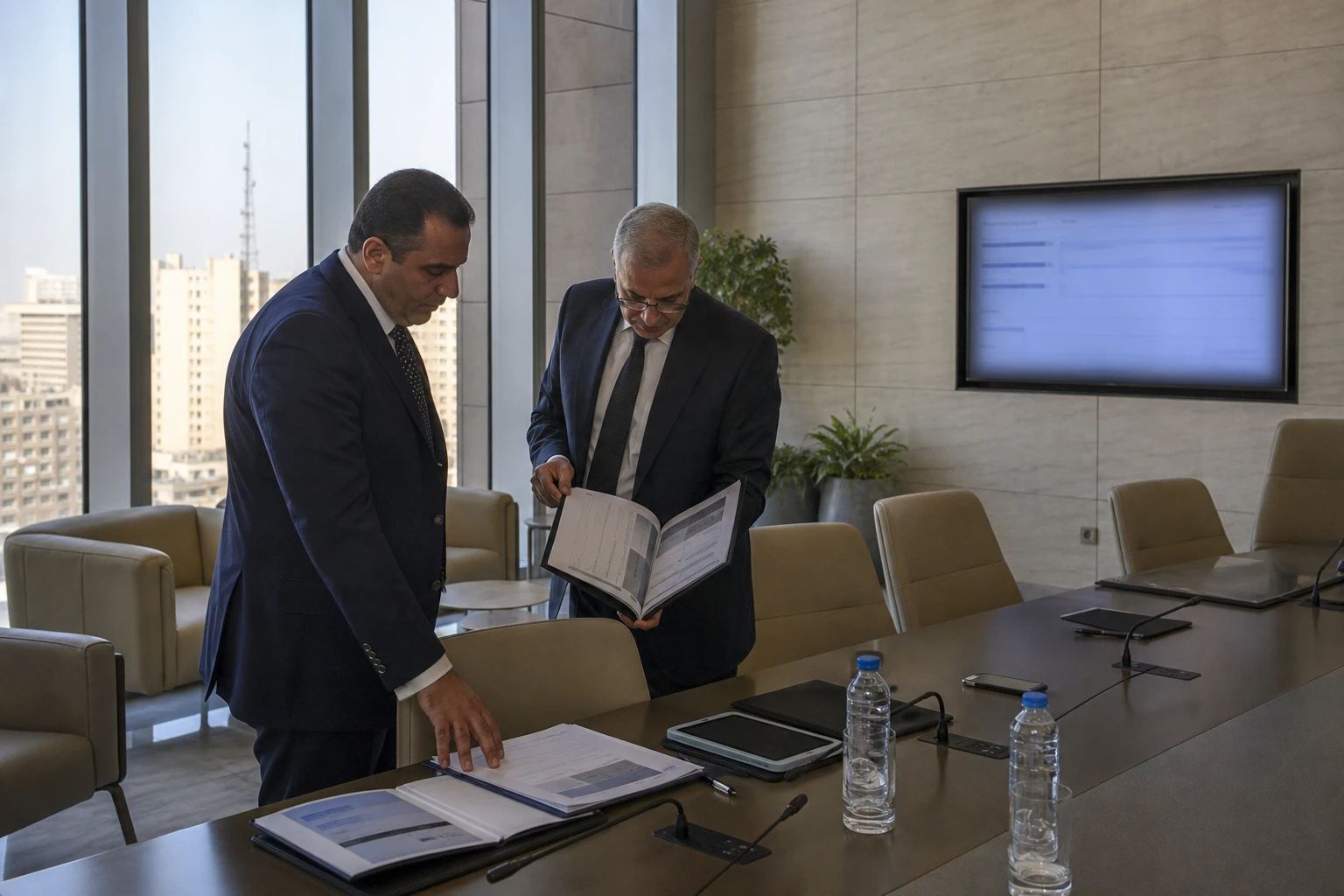
In the eastern Mediterranean, the gas business is no longer played out at sea alone. It also depends on land, on pipelines, processing plants and terminals capable of turning an offshore discovery into an exportable cargo. This is where Egypt is taking on a central role, as Cyprus finally seeks a credible commercial route for its first major gas project.
On 28 July 2026, Eni and TotalEnergies announced their final investment decision for Cronos, a field in Block 6 off Cyprus. The plan is to transport the gas to Egypt for processing and liquefaction at Damietta, before exporting it to Europe. The companies are targeting first production in 2028.
Egypt’s role in the regional energy landscape
Cairo’s choice is no accident. Egypt has the eastern Mediterranean’s only major fully operational liquefaction infrastructure, at Damietta and Idku. The Egyptian authorities present these facilities as strategic assets in their bid to make the country a regional centre for gas trading.
The political precedent is already in place. In February 2025, Egypt, Cyprus, Eni and TotalEnergies signed a government framework agreement in Cairo to organise the development of Cronos gas through Egyptian infrastructure. Since then, Egypt’s oil ministries and industrial partners have held a series of follow-up meetings on connecting the field to the Egyptian system.
What the Cronos project involves
According to Eni and TotalEnergies, Cronos holds more than 3 tcf of gas. The technical plan is based on four subsea wells, a pipeline to Egypt, initial processing linked to the Zohr complex, and then liquefaction at Damietta. Expected plateau production is about 500 million cubic feet per day, or 2.8 million tonnes of LNG a year. TotalEnergies will market half of it.
This arrangement cuts costs and speeds up production because it avoids building an entirely new industrial chain in Cyprus. It is also at the heart of Egypt’s paradox: the country currently imports LNG to meet domestic demand, while retaining the ability to re-export regional gas thanks to its liquefaction facilities. This logistical flexibility is becoming a diplomatic tool as much as an economic one.
Stakes extending well beyond Cyprus and Egypt
For Cairo, the benefits are twofold. The state is putting its industrial assets to work and consolidating its position in regional energy trade. At the same time, it is entering a European market still seeking diversification after successive shocks to global gas flows and increased price volatility. Egypt remains, in this respect, the only country in the area with operational LNG export capacity.
For Cyprus, Cronos marks a turning point. The country is finally turning an offshore resource into a concrete industrial project, without waiting for a more complex and costly offshore solution. For Eni and TotalEnergies, the operation secures a regional model built on existing infrastructure, in an area where discoveries coincide with maritime rivalries, growing domestic needs and increased competition for European markets.
A development to watch across the eastern Mediterranean
The timetable is now clear. First gas from Cronos is expected in 2028, if technical and regulatory steps proceed as planned. Other resources in Block 6, including Zeus, could follow later. Beyond the case of Cyprus, the project confirms a broader trend: in the eastern Mediterranean, the value of gas depends less on discovery alone than on the ability to connect fields, terminals, contracts and markets.