Algeria
 Egypt
 Libya
 Sudan
 Tunisia
 Benin
 Burkina Faso
 Cabo Verde
 Côte d'Ivoire
 Ghana
 Guinea
 Guinea-Bissau
 Liberia
 Mali
 Mauritania
 Niger
 Nigeria
 Senegal
 Sierra Leone
 The Gambia
 Togo
 Cameroon
 Central African Republic
 Chad
 DR Congo
 Equatorial Guinea
 Gabon
 Republic of the Congo
 São Tomé and Príncipe
 Burundi
 Comoros
 Djibouti
 Eritrea
 Ethiopia
 Kenya
 Madagascar
 Malawi
 Mauritius
 Mozambique
 Rwanda
 Seychelles
 Somalia
 South Sudan
 Tanzania
 Uganda
 Angola
 Botswana
 Eswatini
 Lesotho
 Namibia
 South Africa
 Zambia
 Zimbabwe
An energy corridor, not just a pipeline
In a Nigeria seeking to turn its gas reserves into jobs, industry and foreign currency, the pipeline to Morocco is about more than energy diplomacy. The question is simple to state: how can an abundant resource be transformed into useful energy for the region without allowing the project to become mired in costs, technical delays and continental power struggles? The project, now presented as the African Atlantic Gas Pipeline, is described by ECOWAS as 6,800-kilometre infrastructure linking Nigeria to Morocco, with a regional purpose and, ultimately, a European one.
For Abuja, this kind of project is part of a broader strategy: to develop gas as a transition fuel and support West African economic integration. For Rabat, it is also a way to establish a role as an energy hub between West Africa and northern markets. The two countries have championed the project since 2016, and their national companies, NNPC Ltd. and ONHYM, have held numerous technical and political discussions over the years.
ECOWAS has sent a strong political signal
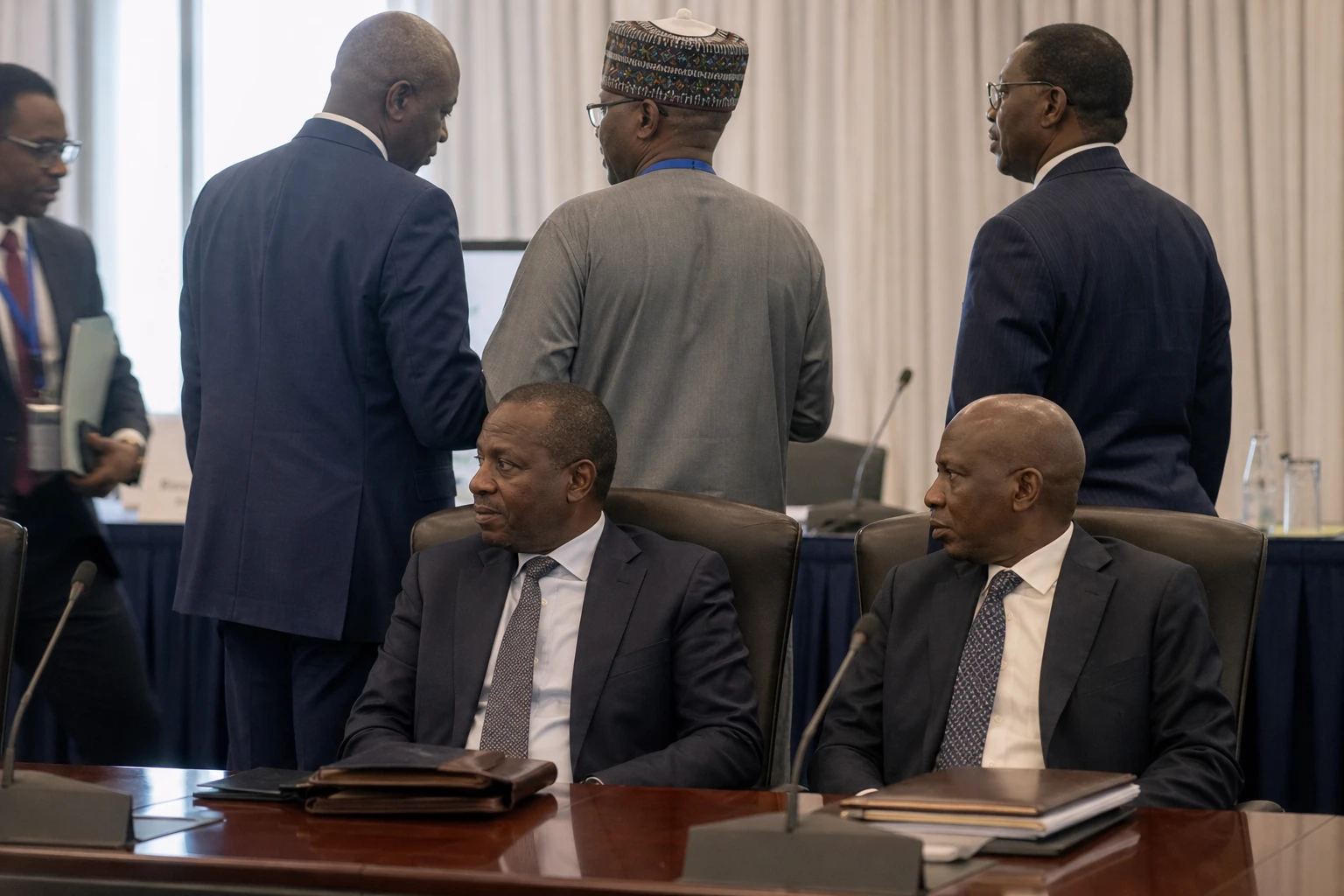
The latest turning point came from ECOWAS. In October and November 2024, the energy and hydrocarbons ministers of member states, joined by Morocco and Mauritania, approved key project documents in Lagos and then in Abuja, at the ECOWAS Commission headquarters. The organisation confirmed that the route would cross 13 coastal countries, with branches to landlocked Sahel countries.
This regional support does not solve everything, but it changes the project’s status. It is no longer simply a bilateral idea between Abuja and Rabat. It is becoming regional infrastructure backed by a West African organisation, even if its political geography remains complex. ECOWAS also said the project aims to secure gas supplies for a sub-region facing growing needs for electricity, industry and clean cooking.
What the project aims to change on the ground
The pipeline’s proponents make one central argument: gas should not simply leave Nigeria for the outside world; it should also supply West Africa itself. The version presented by ECOWAS envisages transport capacity of about 30 billion cubic metres a year, with some gas destined for the countries along the route and some for Morocco, before a possible connection to the European network via the Maghreb-Europe pipeline. Other official documents refer to a 6,800-kilometre route, showing that the technical parameters have continued to evolve as studies have progressed.
On paper, the benefits are numerous. Households could gain access to more reliable energy. Businesses, particularly in the mining and manufacturing industries, would have a more stable fuel supply. For Nigeria, it would also mean better monetising its gas, part of whose production remains difficult to develop for lack of adequate infrastructure. NNPC Ltd. has described the project as a means of fostering regional co-operation and developing Nigeria’s gas resources.
The project could also benefit other countries on the Atlantic coast. Senegal and Mauritania, now gas producers or expected to become so, see the infrastructure as an outlet for future volumes. ONHYM said after discussions with PETROSEN that the parties were working to identify deposits that could supply the corridor. In other words, the pipeline is not conceived as a one-way artery. It could become an energy backbone for several economies on the West African coast.
Funding remains the key challenge
The main obstacle has been clear from the outset: funding. Official estimates and media reports put the cost at about $25bn-$26bn. The project is not suited to a single source of capital. NNPC Ltd. has said that the financing structure will have to bring together international financial institutions, development banks, export credit agencies and private investors. The African Development Bank is regularly cited as a potential participant.
The decisive factor remains commercial viability. No gas buyers, no lenders. No lenders, no pipeline. That is why the project’s proponents speak of an inseparable “market-financing” pairing. This reasoning also underpins the caution expressed by several experts: political agreement opens the way, but guarantees neither profitability nor speed of delivery. Francis Perrin, cited in the specialist press, sums up this balance of forces by noting that a project can make progress without yet being a done deal.
A pan-African reach amid shifting regional dynamics
The project’s significance goes beyond the gas map. It concerns Nigeria’s place in the African economy, Morocco’s ambition to become a logistics and energy platform, and ECOWAS’s ability to deliver tangible integration projects. The political calendar also matters. Since Burkina Faso, Mali and Niger formally withdrew from ECOWAS on 29 January 2025, the West African bloc has been undergoing a period of realignment. In this context, a cross-border project of this scale is also a test of the regional organisation’s credibility.
The issue also resonates across the continent. The African Union and regional economic communities have for years championed infrastructure corridors capable of linking markets, ports and industrial centres. The Nigeria-Morocco gas pipeline presents itself as just such a corridor: an Atlantic energy route designed to connect West Africa to northern markets without neglecting local needs. The next steps to watch are the finalisation of the legal and financial arrangements, followed by the shift from announcements to actual construction. That is where the difference between strategic vision and a promise repeatedly postponed will be decided.