Algeria
 Egypt
 Libya
 Morocco
 Sudan
 Tunisia
 Benin
 Burkina Faso
 Cabo Verde
 Côte d'Ivoire
 Ghana
 Guinea
 Guinea-Bissau
 Liberia
 Mali
 Mauritania
 Niger
 Nigeria
 Sierra Leone
 The Gambia
 Togo
 Cameroon
 Central African Republic
 Chad
 DR Congo
 Equatorial Guinea
 Gabon
 Republic of the Congo
 São Tomé and Príncipe
 Burundi
 Comoros
 Djibouti
 Eritrea
 Ethiopia
 Kenya
 Madagascar
 Malawi
 Mauritius
 Mozambique
 Rwanda
 Seychelles
 Somalia
 South Sudan
 Tanzania
 Uganda
 Angola
 Botswana
 Eswatini
 Lesotho
 Namibia
 South Africa
 Zambia
 Zimbabwe
A machinery purchase that signals more than a simple fleet renewal
At Sangalkam, east of Dakar, the delivery of 13 heavy machines might seem like no more than an equipment event. In reality, it reflects a broader trend: on Senegalese construction sites, the contest is no longer just about the price of machines, but also their availability, maintenance and ability to meet tight deadlines.
In a country where public works, mining and major infrastructure projects increasingly intersect, every machine out of service costs time and money. This is all the more true in West Africa, where companies often operate across several countries at once and must contend with demanding logistics routes, parts that need to be delivered quickly and technical teams that must be mobilised without delay.
SFTP Civil is part of Corica and describes itself as a civil and mining construction company founded in 2002, active in roadworks, transport infrastructure and mining projects. Neemba Senegal, for its part, has positioned itself for more than a decade as an industrial equipment and related services provider, with a base in Sangalkam and a network spanning several West African countries.
Machinery, and a service chain behind the project
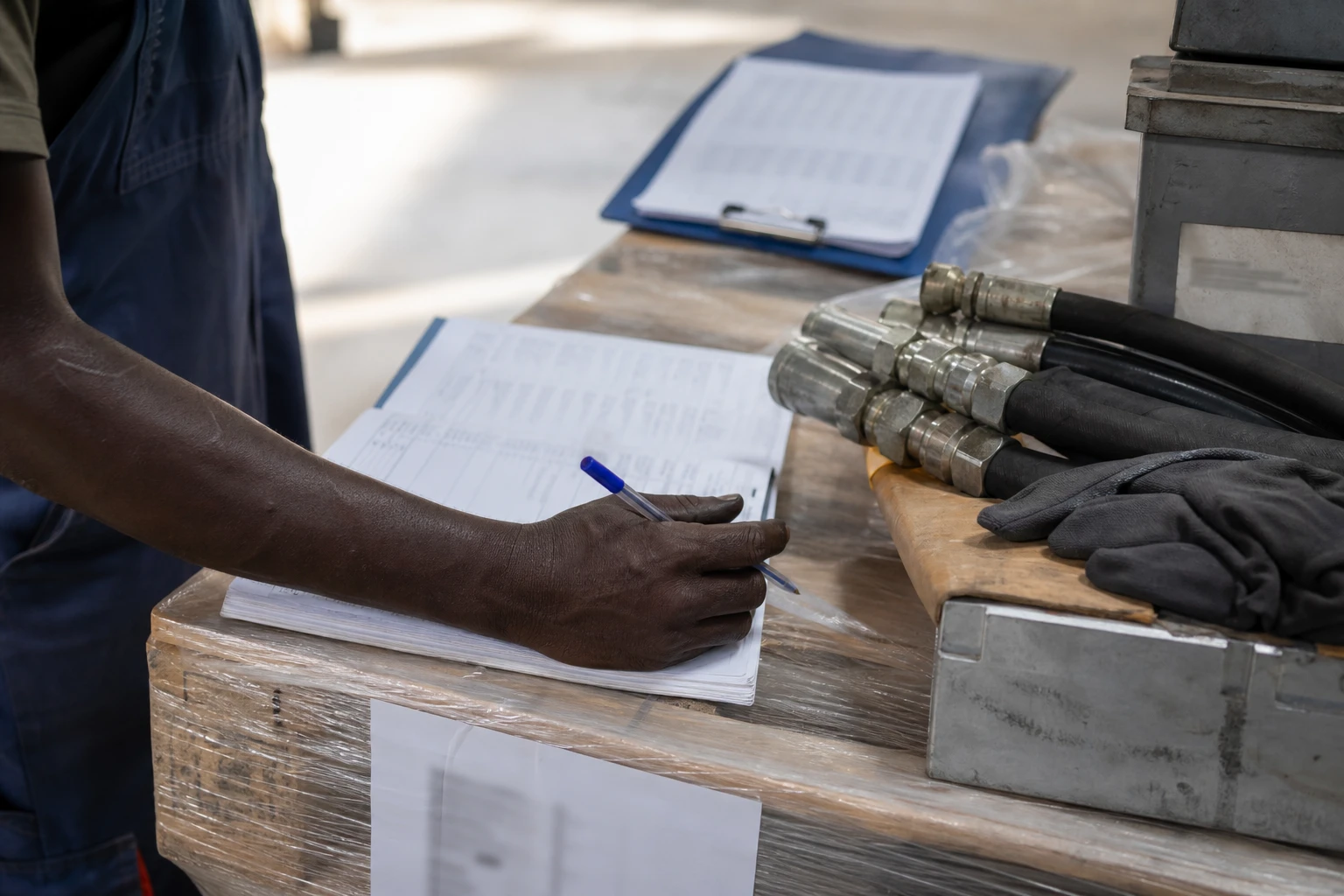
The 13 pieces of equipment were handed over on Thursday 23 July at Neemba’s Sangalkam branch, according to information gathered and cross-checked against material published by the group. The fleet comprises hydraulic excavators, wheel loaders, backhoe loaders, motor graders and bulldozers. These types of machines are essential for earthworks, road construction, quarry development and civil engineering projects.
The strategic value of the operation lies not only in the delivery, but also in the ecosystem around it. Neemba highlights a component refurbishment centre in Sangalkam, designed to extend the machines’ service life and speed up repairs. The group also says it has a financing arrangement with COFINA, which can help structure the purchase of heavy equipment without tying up companies’ cash flow. In the construction sector, this combination of machinery, services and financing often makes the difference between an efficient fleet and one that is constantly out of action.
At the ceremony, Pierre Fonkenell, country director of Neemba Senegal, stressed that the commercial relationship with the client group had been in place for more than 20 years, and said a supplier should support its partner well beyond handing over the keys. This approach aligns with the group’s stated focus on maintenance, parts availability and local technical support as central elements of its value proposition.
The choice of Sangalkam is no coincidence. The site has become an industrial base near Dakar, in an area where logistics, workshops and stocks matter as much as the machines themselves. For operators, this cuts delays. For clients, it safeguards projects. For local subcontractors, it also creates an opportunity for technical expertise to become an asset as valuable as the machines’ metal.
Senegal’s extractive sector drives the entire supply chain
The delivery comes as the extractive sector accounts for a substantial share of Senegal’s economy. The 2024 EITI report on Senegal says sector revenues reached 455.99 billion CFA francs, including 369.68 billion from mining and 77.70 billion from hydrocarbons. The report also states that the sector represents 4.95% of GDP, 31.38% of exports and 11.96% of state revenue.
These figures matter, but should be read with caution. The extractive sector generates significant value without creating many direct jobs. The report highlights the role of local suppliers, citing 780.03 billion CFA francs in transactions in the mining sector. This is where companies such as SFTP Civil come in: they operate between major operators, mines, access roads, quarries and urban developments. In other words, they capture some of the added value rather than allowing the entire project to be outsourced.
For Senegal, the issue is also political and industrial. The authorities in Dakar want to regulate extractive revenues more effectively, while the private sector is seeking to move up the value chain. In this equation, construction companies play a discreet but decisive role: they build the tracks, platforms, access roads, quarries and infrastructure that make projects possible. A well-equipped fleet maintained locally can therefore affect the pace of project delivery and the share of local content actually captured in the country.
At regional level, the message is clear. In West Africa, groups aiming to endure are no longer just looking to buy machines. They are building service chains, training technicians, bringing parts closer to project sites and expanding their local bases. Neemba says it operates in 11 countries and has trained more than 1,200 professionals through its Neemba Academy in Abidjan. This strategy shows that the infrastructure market is now taking shape around skills, maintenance and proximity, not just the delivery of a batch of machines.
The next development to watch is therefore not just the launch of a new project. It is whether this equipment can remain productive, operate across countries in the sub-region and support a local maintenance, training and subcontracting sector. This is where a tangible part of Senegal’s industrial growth will be determined, in a West African region where competition over infrastructure is intensifying every year.