Egypt
 Libya
 Morocco
 Sudan
 Tunisia
 Benin
 Burkina Faso
 Cabo Verde
 Côte d'Ivoire
 Ghana
 Guinea
 Guinea-Bissau
 Liberia
 Mali
 Mauritania
 Niger
 Nigeria
 Senegal
 Sierra Leone
 The Gambia
 Togo
 Cameroon
 Central African Republic
 Chad
 DR Congo
 Equatorial Guinea
 Gabon
 Republic of the Congo
 São Tomé and Príncipe
 Burundi
 Comoros
 Djibouti
 Eritrea
 Ethiopia
 Kenya
 Madagascar
 Malawi
 Mauritius
 Mozambique
 Rwanda
 Seychelles
 Somalia
 South Sudan
 Tanzania
 Uganda
 Angola
 Botswana
 Eswatini
 Lesotho
 Namibia
 South Africa
 Zambia
 Zimbabwe
When energy becomes an instrument of sovereignty
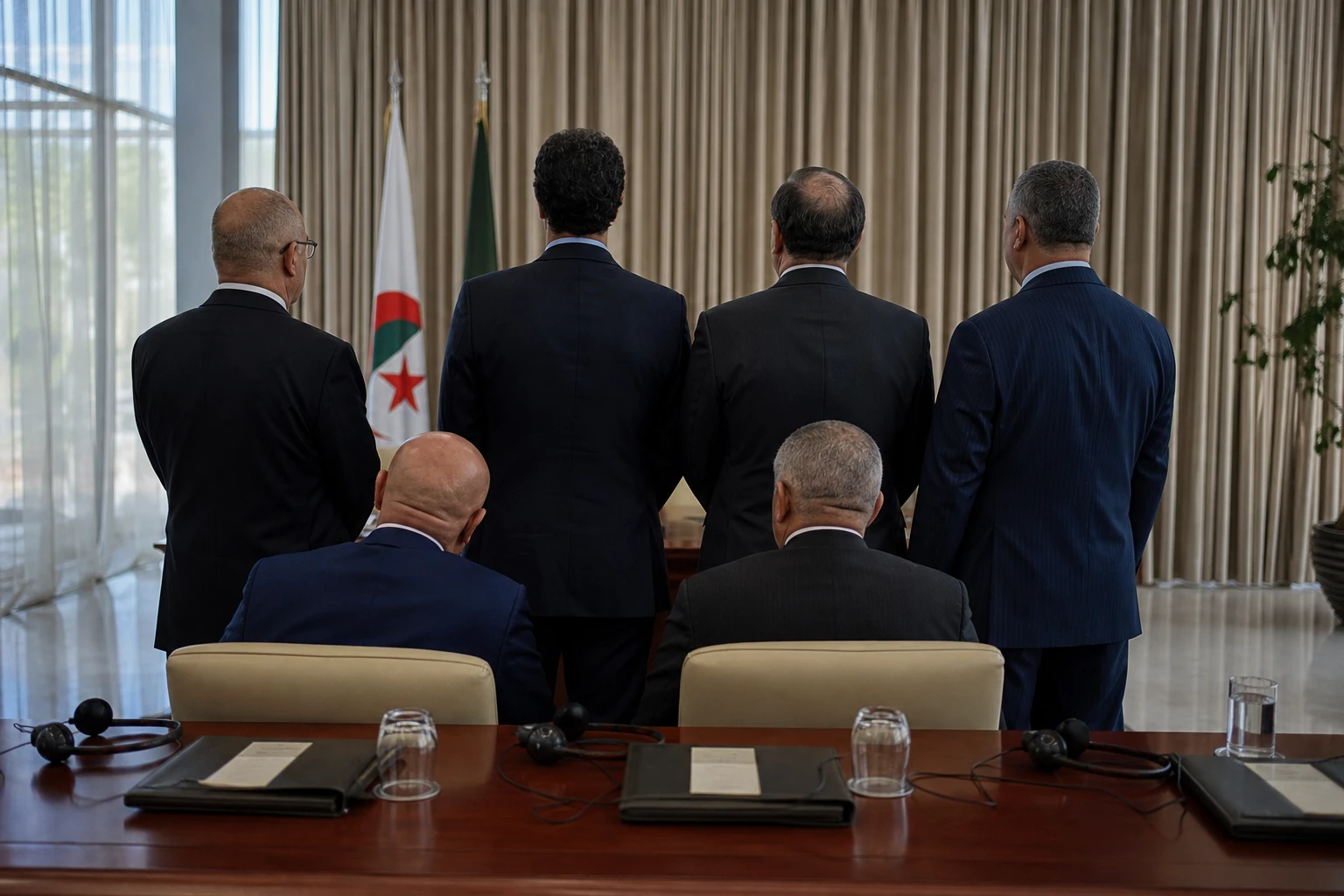
For Algeria, every gas contract signed in Europe means more than export revenue. It says something broader: that Algiers can remain a central energy player as the European continent continues to seek secure supplies and reduce its dependencies. For Germany, which accelerated its diversification after its abrupt break with Russian gas in 2022, ties with a reliable Mediterranean supplier are no longer a peripheral concern.
The new agreement between Sonatrach and VNG is part of a relationship built in stages. In February 2024, VNG became the first German company to buy Algerian gas delivered by pipeline. In July 2026, Sonatrach also delivered its first cargo of liquefied natural gas to Germany, at Wilhelmshaven. The contract signed in Berlin on 16 July 2026 provides for increased deliveries from 1 January 2027. Volumes, duration and value have not been made public.
A gas partnership extending beyond the short term
The sequence is clear. First, an initial gas contract in February 2024, described as historic because it paved the way for direct deliveries to the German market. Then, a first LNG shipment in July 2026. Finally, the newly announced increase from 2027. For Algiers, the aim is to consolidate its commercial presence in Europe without relying on a single mode of transport. For Berlin, the priority remains security of supply in a country where gas is still an important part of the energy system, despite the growth of renewables.
The signing also comes amid broader diplomatic engagement. President Abdelmadjid Tebboune was on an official visit to Germany at the time of the agreement, and exchanges between the two capitals now cover not only hydrocarbons but also green hydrogen. Sonatrach and VNG are already working on the ALTEH2A projects, for the Algerian-European Hydrogen Alliance, and the SoutH2 Corridor, which aims to produce hydrogen in Algeria before exporting it to Europe. The gas deal therefore does not replace the energy transition; it runs alongside it as part of a gradual shift.
What Algeria stands to gain, and what Europe is still seeking
For Algeria, the benefits are threefold. First, the deal offers commercial visibility. Second, diversifying its customers limits dependence on just a few European markets. Finally, the gas-hydrogen combination gives the country a place in broader energy negotiations with the European Union. At national level, it could boost foreign earnings and strengthen Sonatrach’s role as a major economic pillar. But the balance remains delicate: domestic energy needs are also rising, and every export contract requires a balance between the home market and commitments abroad.
For Germany, its relationship with Algiers addresses a practical constraint: finding stable volumes since the end of the Russian model. VNG itself has said that it has been sourcing Algerian gas since 2024 and wants to strengthen security of supply to the German market. In a country where gas imports are closely monitored by the Bundesnetzagentur, new sources, delivered by pipeline as well as LNG, reduce vulnerability to an external shock. But they do not solve everything: prices, infrastructure capacity and competition from other suppliers will continue to matter.
Significance beyond the Algiers-Berlin partnership
The deal also says something about North Africa and continental energy policy. Algeria remains one of Europe’s major suppliers of pipeline gas, giving it real diplomatic leverage. At the same time, competition remains fierce from other Mediterranean and Middle Eastern producers, while Europe is accelerating its own adjustments. The region is therefore not enjoying guaranteed windfall revenues. It faces long-term competition, in which reliability, infrastructure and investment capacity matter as much as extraction volumes.
The deal also has political significance for the continent. For the African Union and producing regions, the challenge is not simply to export more. It is also to turn resources into industrial strength, sustainable revenues and value-chain projects, particularly around hydrogen and cross-border infrastructure. In this context, the Sonatrach-VNG contract illustrates a shift: Algeria is no longer content simply to sell gas. It is seeking a place in the new Euro-African energy architecture, where gas remains part of the picture but hydrogen is already featuring in negotiations. The next steps will be worth watching from 1 January 2027, as the announced increase in deliveries takes effect and associated hydrogen projects develop.