Algeria
 Egypt
 Libya
 Sudan
 Tunisia
 Benin
 Burkina Faso
 Cabo Verde
 Côte d'Ivoire
 Ghana
 Guinea
 Guinea-Bissau
 Liberia
 Mali
 Mauritania
 Niger
 Nigeria
 Senegal
 Sierra Leone
 The Gambia
 Togo
 Cameroon
 Central African Republic
 Chad
 DR Congo
 Equatorial Guinea
 Gabon
 Republic of the Congo
 São Tomé and Príncipe
 Burundi
 Comoros
 Djibouti
 Eritrea
 Ethiopia
 Kenya
 Madagascar
 Malawi
 Mauritius
 Mozambique
 Rwanda
 Seychelles
 Somalia
 South Sudan
 Tanzania
 Uganda
 Angola
 Botswana
 Eswatini
 Lesotho
 Namibia
 South Africa
 Zambia
 Zimbabwe
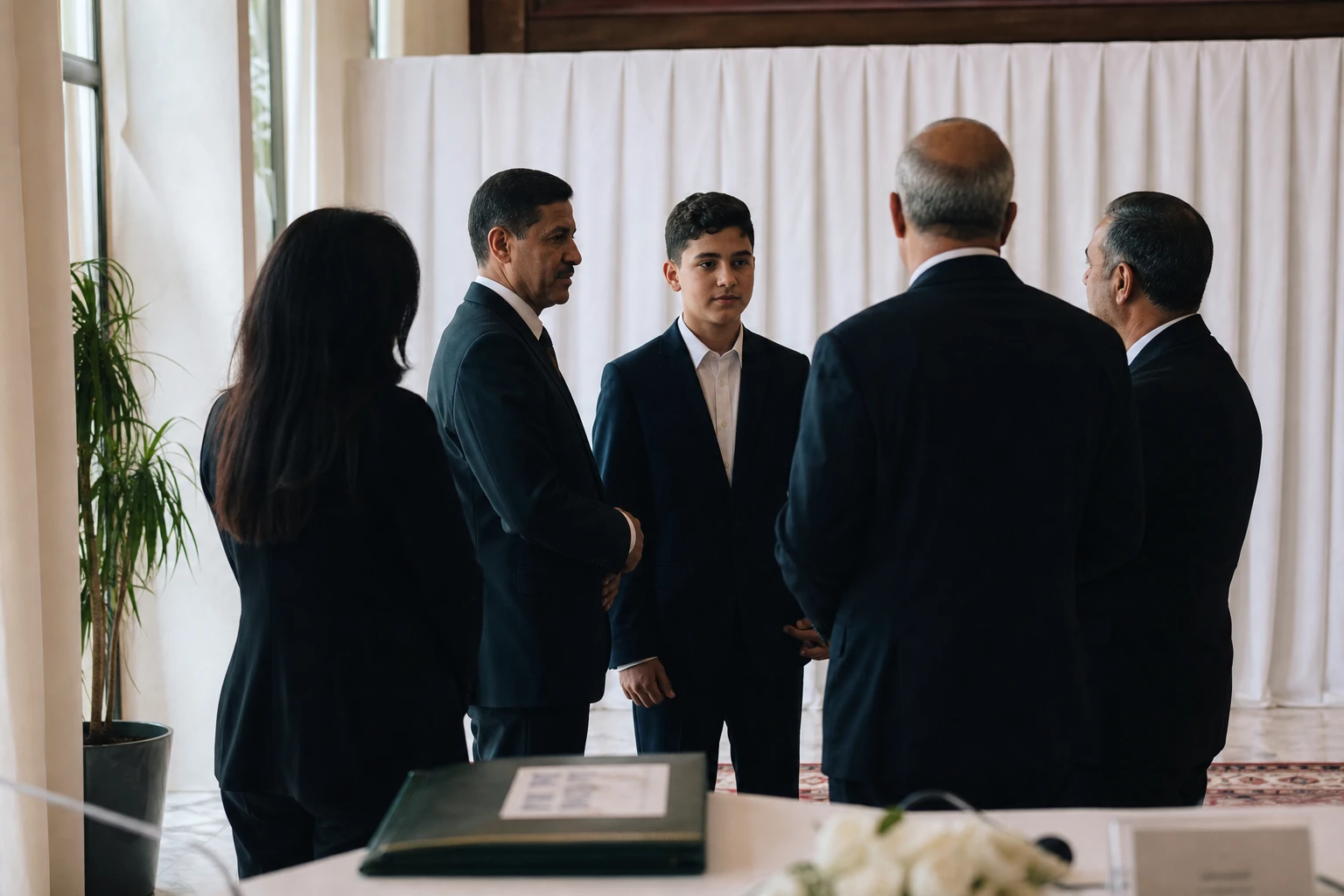
A Moroccan teenager at high altitude, with ambitions beyond performance
At 15, Youssef Tazi is not simply ticking off summits. He is building a trajectory. His latest climb, of Kang Yatse II in the Himalayas, has drawn attention for combining endurance, youth and discipline. In a sport where age matters, the ascent also says something about a Morocco seeing highly specialised, media-visible paths emerge among its youngest people.
Kang Yatse II is in Ladakh, in northern India, at an altitude of about 6 250 metres, according to official sources and accounts of Indian military expeditions. It is a high-mountain peak known for its changing conditions, cold and the need for suitable equipment. At this altitude, the effort is no longer like an ordinary hike. It demands total physical commitment, often involving crampons, ropes and a lengthy period of acclimatisation.
What is known about the ascent
According to corroborated accounts, Youssef Tazi reached the summit last week after more than nine hours of effort from a base camp set up at around 5 000 metres. The climb was made without supplemental oxygen. Progress was made more difficult by sub-zero temperatures, snowfall and poor visibility. These conditions are consistent with what other expeditions have described on this Ladakh massif.
Available accounts also indicate that he was part of a group of 29 participants, of whom only 16 reached the summit. His father, Omar Tazi, is said to have been part of the successful climbing team. This detail is attributed to available accounts, but is consistent with the family dimension often seen in Youssef Tazi’s major expeditions; his father has also accompanied him on previous climbs.
The young Moroccan is not starting from scratch. Several Moroccan media outlets and UNICEF’s channels in Morocco report that he has already accumulated more than 50 summits, including notable climbs such as Kilimanjaro in Tanzania and Mount Elbrus in Russia. UNICEF Morocco has also presented him as a young advocate for children’s rights. This dual identity, as athlete and spokesperson, partly explains the visibility of his journey.
A personal project, but also a public message
The name of his project, “Road To Everest 2028”, shows that climbing Kang Yatse II is not an end in itself. It is a step along the way. Everest remains the benchmark mountain, at 8 848.86 metres. In this kind of project, intermediate climbs help test altitude tolerance, cold management, clear thinking under fatigue and self-sufficiency in the mountains.
For Morocco, this story forms part of a broader context. For several years, the country has invested in young people, sport, skills and opportunities for representation. When UNICEF Morocco presents Youssef Tazi as a young advocate for children’s rights, the institution is talking about more than mountains. It is highlighting a figure of determination, able to promote a message of commitment to the country’s children and adolescents.
Choosing Morocco as his base is no coincidence. In Rabat, public institutions and international partners are increasingly championing youth initiatives, particularly those that bring together education, mental health, inclusion or international visibility. In this context, a teenager linking high-altitude mountaineering with advocacy for children’s rights becomes a useful figure, speaking both of self-improvement and collective responsibility.
What this ascent changes, and for whom
For Youssef Tazi, the stakes are sporting, of course. But they are also symbolic. At his age, every success strengthens an already established reputation. It can open the door to partnerships, attract new support and, above all, lend credibility to a highly demanding ambition. The mountains then become a testing ground. The reward is not just a photograph at the summit. It is a chance to test method, preparation and consistency.
For his family, the adventure is even more tangible. Available accounts show the role of his father, Omar Tazi, in the young climber’s progress. In an expensive sport, where reaching summits requires logistics, transport, acclimatisation and technical support, family backing is often decisive. It is a reminder that individual achievements almost always rest on an invisible infrastructure.
For the Moroccan public, especially younger people, this story offers more than an account of performance. It shows how a long-term project can be built step by step. It also shows that a teenager can have a presence in public life without caricature or being treated as a showcase. In a media landscape often saturated with urgent news, this kind of profile puts patience, preparation and disciplined effort back at the centre.
Across Africa, the story resonates differently. Kilimanjaro, Elbrus and now Kang Yatse II map out a geography of achievements that extends beyond national borders. The Moroccan climber is not simply an example of individual talent. He is part of a continental exchange of success stories, in which young Africans can see themselves in highly specialised disciplines, often confined to narratives originating elsewhere.
The next steps will unfold in Everest’s shadow
The next stage is already on the project’s calendar. If “Road To Everest 2028” follows its planned course, the coming months will have to confirm Youssef Tazi’s technical progress, as well as his ability to sustain repeated efforts without skipping steps. In this arena, caution matters as much as ambition. In the high mountains, experience cannot be bought. It is built, summit by summit.
Ultimately, what is most interesting may not be the size of the mountain, but the way this young Moroccan describes his place in the world. He does not simply want to climb. He wants to endure, represent and inspire, from Rabat to the slopes of the roof of the world.