Algeria
 Libya
 Morocco
 Sudan
 Tunisia
 Benin
 Burkina Faso
 Cabo Verde
 Côte d'Ivoire
 Ghana
 Guinea
 Guinea-Bissau
 Liberia
 Mali
 Mauritania
 Niger
 Nigeria
 Senegal
 Sierra Leone
 The Gambia
 Togo
 Cameroon
 Central African Republic
 Chad
 DR Congo
 Equatorial Guinea
 Gabon
 Republic of the Congo
 São Tomé and Príncipe
 Burundi
 Comoros
 Djibouti
 Eritrea
 Ethiopia
 Kenya
 Madagascar
 Malawi
 Mauritius
 Mozambique
 Rwanda
 Seychelles
 Somalia
 South Sudan
 Tanzania
 Uganda
 Angola
 Botswana
 Eswatini
 Lesotho
 Namibia
 South Africa
 Zambia
 Zimbabwe
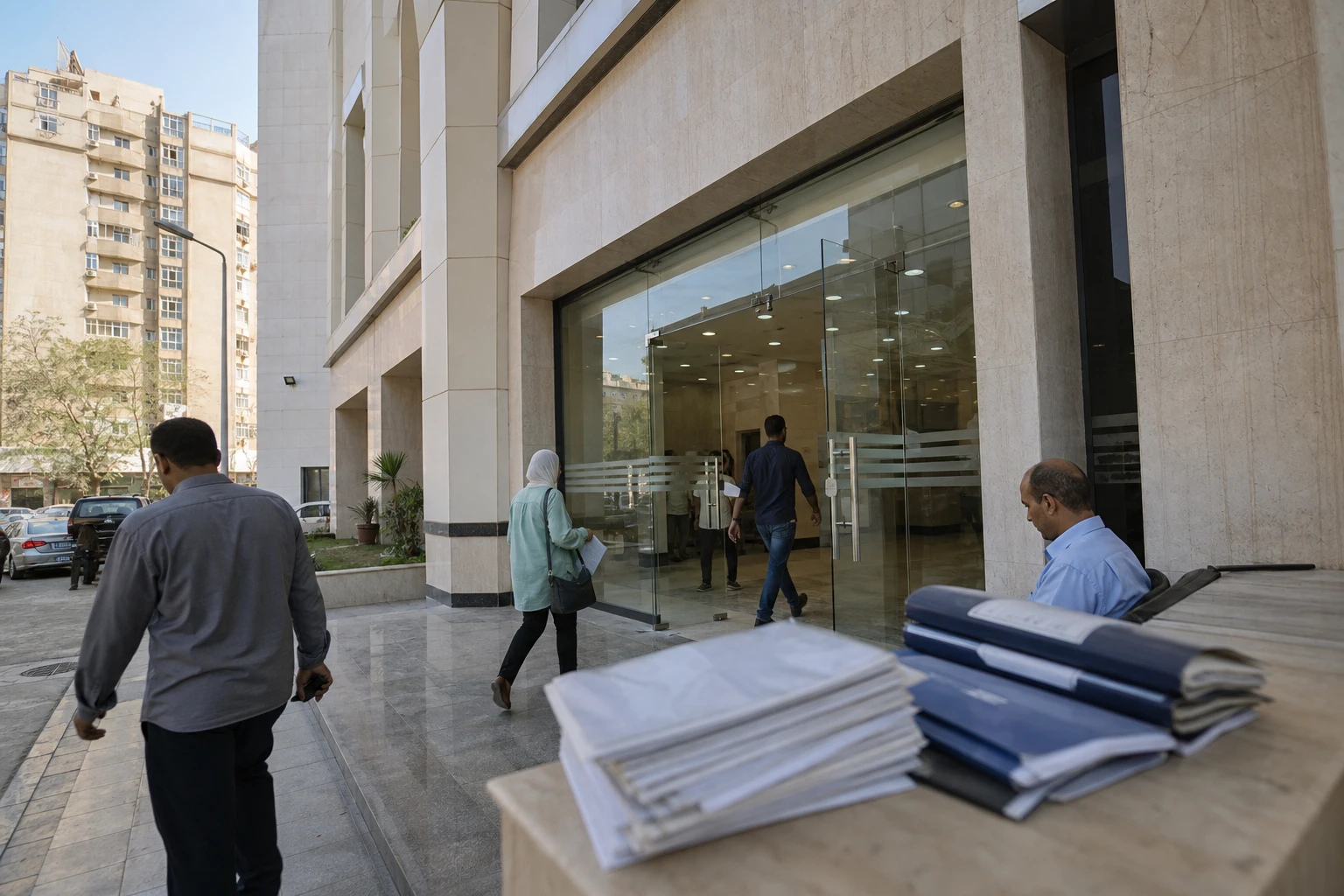
In Cairo, a political signal as much as an economic one
When a Chinese head of state visits Cairo, the stakes go beyond diplomatic courtesy. For Egypt, the aim is to consolidate a partnership that can support industry, infrastructure and the country’s room for manoeuvre abroad. For Beijing, the country remains a gateway to the Mediterranean, Africa and the Middle East, at a time when regional tensions make every strategic foothold more valuable.
This visit is part of a long-standing relationship. Egypt was the first Arab and African country to establish diplomatic relations with China, in 1956, and the two capitals elevated their relationship to a comprehensive strategic partnership in 2014. Since then, Cairo has sought to attract investment, technology and finance, while Beijing has pursued a lasting foothold along the Suez Canal and in the surrounding economic zone.
The facts: a two-day visit and concrete agreements
Chinese President Xi Jinping paid a state visit to Egypt on 1 and 2 September 2026. It was his first visit to the country since January 2016, according to accounts published after talks with Egyptian President Abdel Fattah Al-Sissi at Al-Ittihadiya Palace in Cairo. The two leaders expressed their determination to strengthen political and economic coordination between their countries.
At the end of the discussions, Cairo and Beijing signed an agreement and several cooperation protocols. The most prominent development was the launch of the third phase of the China-Egypt TEDA industrial zone in the Suez Canal Economic Zone. Egyptian authorities describe this expansion as a lever for processing industries, chemical fibres, textiles, the automotive industry and renewable energy.
The two sides also issued a joint statement on deepening their comprehensive strategic partnership. It refers to the renewal and increase of the currency swap agreement between the two countries, as well as broader cooperation in finance, industry, digital technology and green development. The statement also mentions support for the development of the Suez Canal Economic Zone and closer coordination in international forums.
What this visit means for Egypt
For Egypt, the benefits could be immediate. The country is seeking capital, foreign currency and partners able to support its productive base at a time when pressure on public finances remains high. The currency swap could help facilitate some bilateral transactions. The expansion of the TEDA zone, meanwhile, could attract factories, create jobs and strengthen local value chains around the Suez Canal.
But the impact will not be felt equally everywhere. For the authorities, the agreement reinforces a narrative of diversified alliances and economic sovereignty. For businesses connected to infrastructure, logistics and exports, China’s opening remains an opportunity. For a population facing rising living costs and fragile purchasing power, however, the benefits will have to translate into real economic activity, not just high-level announcements.
The visit has also brought the role of the Suez Canal and its economic zone back into focus. The area has become a space where different investment models compete. Egypt sees it as a tool for reindustrialisation. China sees it as a production and distribution platform serving Africa and the Middle East. This shared purpose explains why both capitals have emphasised industry, logistics and connectivity rather than trade in finished goods alone.
Regional significance, from North Africa to the continent
Beyond the China-Egypt relationship, the visit reflects a broader balance of power. Egypt presents itself as an actor in North Africa, the Arab League and the African system, able to link the Mediterranean, the Red Sea and the continent. Beijing, for its part, continues to consolidate its influence in a region where Western powers remain present, but where states are seeking more partners able to invest without imposing a single political framework.
The regional context also gives the visit a security dimension. Discussions covered tensions in the Middle East, the war in Gaza and stability in the Red Sea. The two capitals reaffirmed their support for a political solution to the Israeli-Palestinian conflict, while Cairo emphasised its role as a mediator and its commitment to defending regional security. At the same time, the joint statement refers to protecting Egypt’s rights to the Nile, a central national security issue for Cairo.
For Africa, the visit is a reminder of a major trend: China no longer treats the continent solely as a market, but as a space for production, movement and diplomatic influence. Egypt, with its population, geographical position and institutional standing, serves as a foothold for this strategy. The question now is whether the agreements signed in Cairo will lead to factories, jobs and measurable technology transfers in the coming months.