Algeria
 Egypt
 Libya
 Morocco
 Sudan
 Tunisia
 Benin
 Burkina Faso
 Cabo Verde
 Côte d'Ivoire
 Ghana
 Guinea
 Guinea-Bissau
 Liberia
 Mali
 Mauritania
 Niger
 Nigeria
 Senegal
 Sierra Leone
 The Gambia
 Togo
 Cameroon
 Central African Republic
 Chad
 DR Congo
 Equatorial Guinea
 Gabon
 Republic of the Congo
 São Tomé and Príncipe
 Burundi
 Comoros
 Djibouti
 Eritrea
 Ethiopia
 Kenya
 Madagascar
 Malawi
 Mauritius
 Mozambique
 Rwanda
 Seychelles
 Somalia
 South Sudan
 Tanzania
 Angola
 Botswana
 Eswatini
 Lesotho
 Namibia
 South Africa
 Zambia
 Zimbabwe
A bilateral crisis rooted in a highly political case
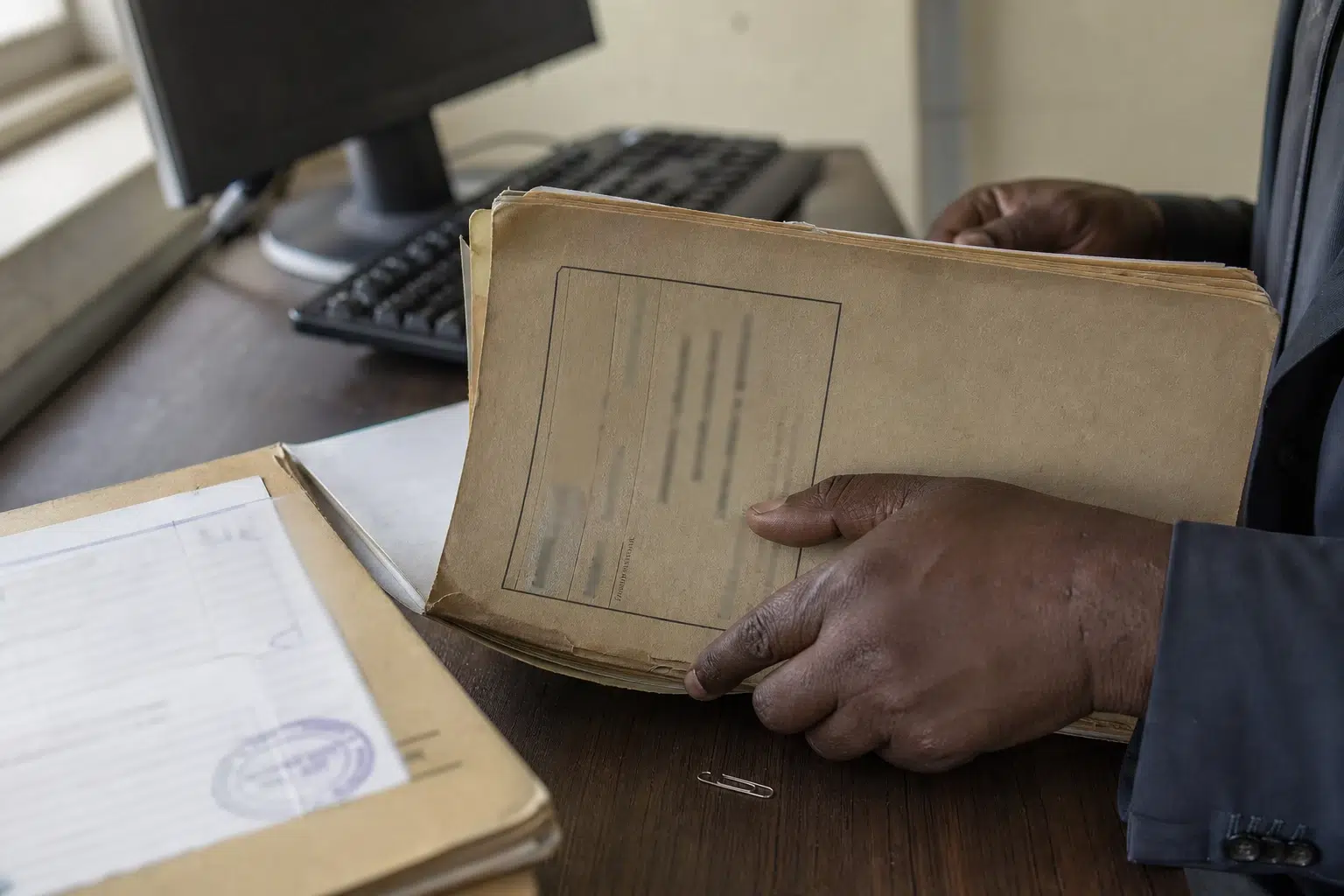
In Kampala, a case involving a blogger has become a test of sovereignty, control over the public narrative and diplomatic practice. Within hours, the dispute over Fred Lumbuye had spilled beyond the courtroom to affect military cooperation between Uganda and Türkiye.
The case says something broader about Uganda today. The government wants to show that it is protecting the state and remains in control of domestic security. By contrast, some opposition figures and members of the diaspora see the pressure on Ankara as an extension of Kampala’s political reach beyond its borders.
What happened in Kampala
On Saturday 19 September 2026, the Uganda People’s Defence Forces, or UPDF, announced the immediate suspension of all military and defence cooperation with the Republic of Türkiye. The army said the pause would remain in place until outstanding issues were resolved.
The decision followed Ankara’s refusal to act on an extradition request for Fred Lumbuye, a Ugandan blogger who has been living in Türkiye for several years. According to available information, he is wanted in Uganda in several criminal cases, including incitement to violence, spreading false information and misuse of computer systems. In 2021, Ugandan police had already cited 15 open cases against him.
The same case prompted a demonstration on Friday 18 September by members of the Patriotic League of Uganda, or PLU, outside the Turkish embassy in Kampala. The PLU is close to Muhoozi Kainerugaba, head of the armed forces and son of President Yoweri Museveni. Demonstrators called for Lumbuye to be handed over to the Ugandan authorities.
There are precedents. The UPDF has previously suspended military cooperation with other partners amid diplomatic tensions, including with Germany in 2024. The move against Türkiye therefore fits a familiar Kampala practice: using security ties to signal political disagreement.
Why the case matters beyond extradition
The first issue is domestic. Uganda’s government faces an active digital opposition with a strong presence in the diaspora. Fred Lumbuye, who has a large following on YouTube, has become a prominent voice in this online counter-narrative. The government portrays him as a purveyor of disinformation. His supporters, meanwhile, see him as an opponent pursued for his criticism of the regime. Both accounts coexist, and claims concerning the legal cases must remain attributed to the authorities making them.
The second issue is security. For years, Uganda has relied on foreign military cooperation to strengthen its defence apparatus, particularly in counter-terrorism and regional missions. The UPDF itself highlights its involvement in regional security arrangements and operations in Somalia, where Uganda remains a central actor in stabilisation efforts. Cutting a channel of cooperation with Ankara is therefore significant, although the practical impact of the suspension will depend on the actual scope of the programmes concerned.
The third issue is diplomatic. In recent years, Türkiye has become more prominent in African security and cooperation, particularly in East Africa and the Horn. Kampala, for its part, continues to diversify its military partnerships, pursuing pragmatic relations while sending firm political signals when it believes its interests are at stake. Saturday’s announced suspension is therefore also a message to other partners: extradition and domestic security remain matters of priority sovereignty for Uganda’s government.
Regional perspective: Kampala, the EAC and security diplomacy
The regional context matters greatly. Uganda is a member of the East African Community, where defence, domestic security and cross-border coordination are taking on increasing importance. In 2026, the organisation again placed defence and security cooperation at the heart of its agenda, with joint exercises and sectoral meetings. In other words, Kampala operates in a space where security is also understood as a network.
The case also shows that Ugandan politics is no longer played out only in Kampala. It extends across the diaspora, digital platforms, diplomatic missions and regional forums. When an exiled blogger becomes a point of friction between an African state and a non-African partner, the debate quickly goes beyond the individual. It touches on freedom of expression, national security, the right to asylum and how African states now expect to be treated in sensitive legal cases.
What happens next will depend on whether the two capitals can defuse the incident without humiliating the other side. Kampala needs to preserve the image of a state that will not yield on what it considers a matter of national security. Ankara, for its part, will seek to retain control over a decision governed by its own legal framework. Between the two, military cooperation, intelligence exchanges and diplomatic channels risk paying the price for a dispute that began with an individual case but has been amplified by a much broader political power struggle.