Algeria
 Egypt
 Libya
 Morocco
 Sudan
 Tunisia
 Benin
 Burkina Faso
 Cabo Verde
 Côte d'Ivoire
 Ghana
 Guinea
 Guinea-Bissau
 Liberia
 Mali
 Mauritania
 Niger
 Nigeria
 Senegal
 Sierra Leone
 The Gambia
 Togo
 Cameroon
 Central African Republic
 Chad
 DR Congo
 Equatorial Guinea
 Gabon
 Republic of the Congo
 São Tomé and Príncipe
 Burundi
 Comoros
 Djibouti
 Eritrea
 Ethiopia
 Kenya
 Madagascar
 Malawi
 Mauritius
 Mozambique
 Rwanda
 Seychelles
 Somalia
 South Sudan
 Tanzania
 Angola
 Botswana
 Eswatini
 Lesotho
 Namibia
 South Africa
 Zambia
 Zimbabwe
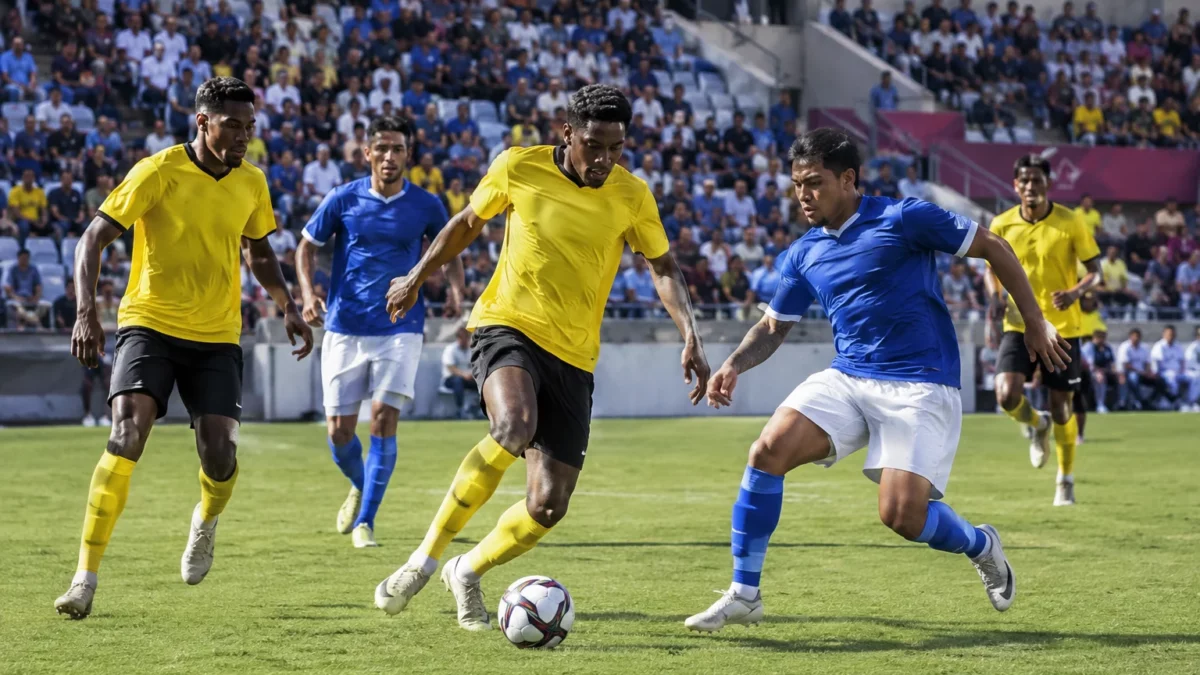
In a youth tournament, a big win can change the course of an entire campaign. For Uganda, victory over New Caledonia turned a tense final day into qualification for the next round. It also showed that, at under-17 level, goal difference can count for as much as points.
Group B decided on the final matchday
Uganda went into their final Group B match with little room for manoeuvre. They had lost 3-0 to the Republic of Korea, then drawn 0-0 with Ecuador. Those two results left the team without a goal and made qualification uncertain.
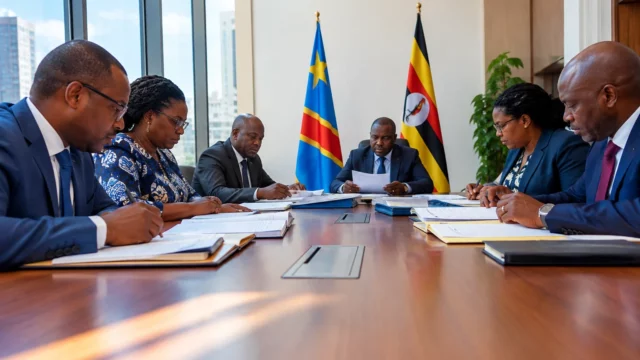
The regional context also matters. Uganda is a member of the East African Community (EAC), which brings several countries in the region together for economic and political cooperation. In football, youth teams’ campaigns are also part of East African competitions, where national sides build experience ahead of continental and global tournaments.
In Qatar, the group’s final matches saw Uganda play New Caledonia while Ecuador faced the Republic of Korea. South Korea beat Ecuador 3-2. That result mattered in the final calculations, but Uganda first had to win by a large margin to overtake their rival on goal difference.
Six goals secure qualification
On 25 November 2026, in Doha, Uganda won 6-0. Captain Owen Mukisa scored three goals, including a penalty. Joseph Dorongin, Isima Magala and Junior Ofoyrwoth also scored. The result put Uganda second in Group B, ahead of Ecuador on equal points thanks to a better goal difference.
FIFA confirmed the score, the goalscorers and the qualification. Ugandan media outlet New Vision also reported that the team finished second in the group, with four points and a goal difference of +3. The Oceania Football Confederation, which has followed New Caledonia’s campaign, also confirmed the result and the names of the goalscorers.
Head coach Laryea Kingston opted for a more attacking approach after the first two matches without a goal. According to New Vision, two changes were made to the starting line-up: Arnold Kayemba and Junior Ofoyrwoth were brought in. The team then scored early and kept attacking to improve their goal record.
Qualification sends Uganda into the knockout stage, known as the round of 32 in this tournament’s format. Their next opponent had yet to be determined, pending results and the final standings in the other groups. The win did not guarantee an easier path; it simply kept them in the competition.
A team result, not a guarantee for what comes next
The score first and foremost highlights the team’s ability to respond. After conceding three goals against South Korea and failing to make the most of their chances against Ecuador, the young Ugandans found several attacking options. Mukisa’s hat-trick set the pace, while the other three goalscorers broadened the threat.
Goal difference played a tangible role in the standings. In a group stage, it separates teams that finish on the same number of points. For Uganda, the scale of the win therefore mattered as much for making a statement as for clearing a regulatory hurdle. But a knockout match does not offer the same chance to make up for a mistake in a later game.
This performance is also a benchmark for Ugandan youth football. A youth team reaching the knockout stage gains valuable international experience: match tempo, tactical preparation and exposure to different styles. That alone is not enough to conclude that Ugandan football is undergoing a lasting transformation. Continued progress will depend in particular on how players are supported after the tournament and the opportunities they are given at club level.
In Kampala, qualification could help generate public interest in this generation. For the players and their coaching staff, however, the immediate priority is sporting: recover, analyse the group matches and prepare for an opponent yet to be determined. Expectations should remain proportionate to what has been established: Uganda have progressed from the group stage, but what comes next will be decided on the pitch.
A signal for East Africa
At African level, this qualification adds an East African team to the round-of-32 line-up. It raises the profile of youth development work in Uganda, without making this result a reflection of all football across the continent. Campaigns and resources vary greatly from one country to another.
The regional impact will be measured above all by what this campaign leaves behind: experience for the players, lessons for the coaching staff and greater attention to youth competitions. The EAC provides a framework for cooperation between states, but sporting progress remains tied to national federations, clubs and infrastructure.
The next match will determine the true significance of the victory. For now, the key facts are clear: on 25 November, Uganda beat New Caledonia 6-0, finished second in Group B and secured a place in the next round. The manner of the win matters; the challenge now is to confirm it against a different opponent.