Algeria
 Egypt
 Libya
 Morocco
 Sudan
 Tunisia
 Benin
 Burkina Faso
 Cabo Verde
 Côte d'Ivoire
 Ghana
 Guinea
 Guinea-Bissau
 Liberia
 Mali
 Mauritania
 Niger
 Nigeria
 Senegal
 Sierra Leone
 The Gambia
 Togo
 Cameroon
 Central African Republic
 Chad
 DR Congo
 Equatorial Guinea
 Gabon
 Republic of the Congo
 São Tomé and Príncipe
 Burundi
 Comoros
 Djibouti
 Eritrea
 Ethiopia
 Madagascar
 Malawi
 Mauritius
 Mozambique
 Rwanda
 Seychelles
 Somalia
 South Sudan
 Tanzania
 Uganda
 Angola
 Botswana
 Eswatini
 Lesotho
 Namibia
 South Africa
 Zambia
 Zimbabwe
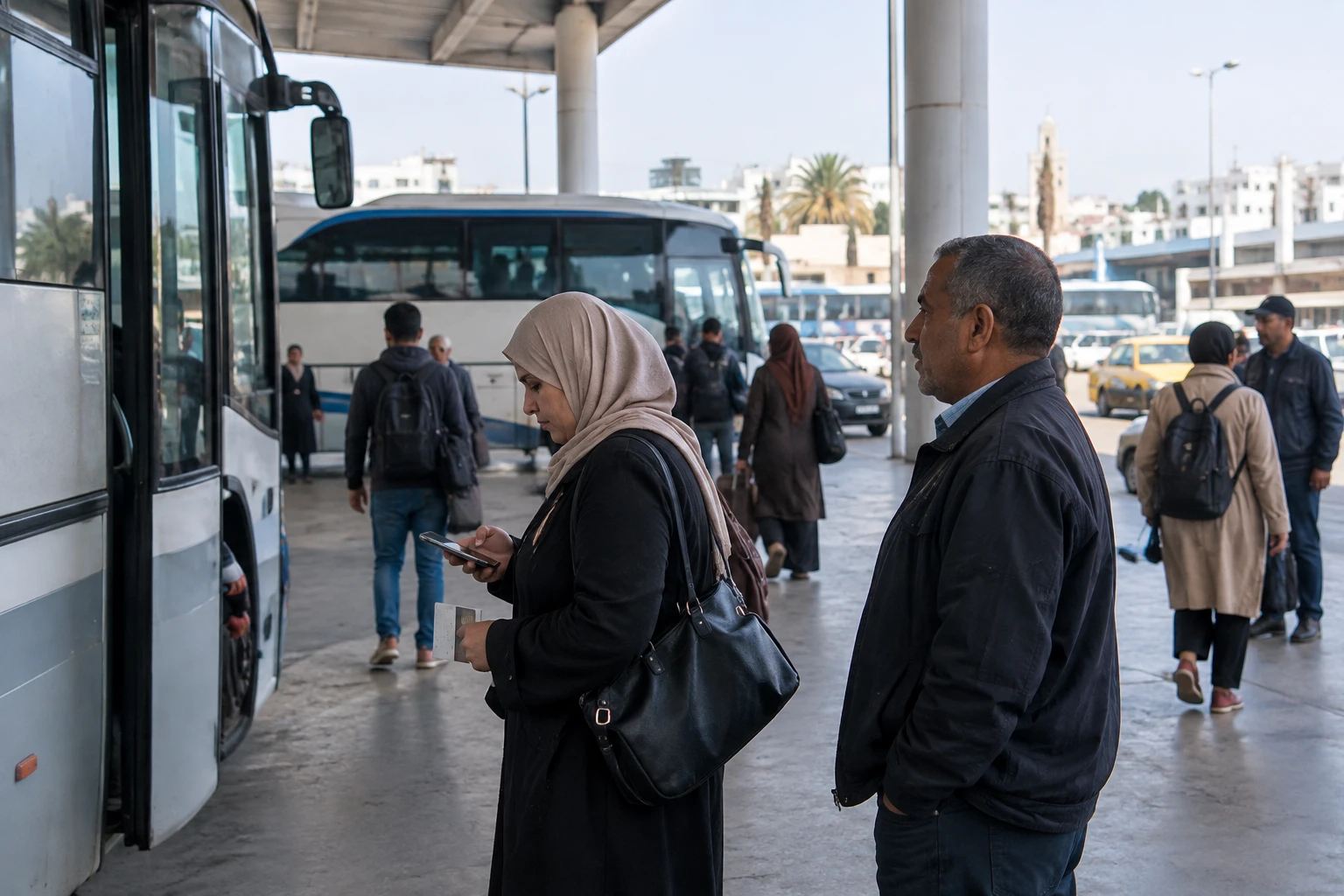
Silence, absence. For several families of young Tunisians who went to Russia to study or work, the wait is endless and unbearable. For months, they have heard nothing from a son, cousin or friend who moved to Russia. They all fear that the young people may have been sent to fight in Ukraine against their will.
Students whose families have lost contact with them
RATTA, a Tunisian association that helps nationals stranded abroad, says it has recorded at least ten Tunisians forcibly recruited into the Russian army. Most were students aged between 20 and 30. The association says one person has died and the fate of the others remains uncertain.
Among the cases reported is that of Aymen Dhawadi, a 25-year-old Tunisian student who went to Russia to pursue management studies in Voronezh. His family says it heard from him regularly until early 2026, then lost all contact. His cousin says that after an arrest and several months in detention, the young man was allegedly pushed to join the army to avoid a prison sentence.
The families say they have given the Tunisian authorities information such as recruitment phone numbers and the names of the military units to which the young men were allegedly assigned. In Tunis, relatives gathered outside the Ministry of Foreign Affairs on 21 October to urge the government to speed up diplomatic efforts with Russia and Ukraine. According to RATTA’s president, the families had so far received no response that could clarify the fate of those missing.
A continental phenomenon, figures to be treated with caution
The Tunisian cases form part of a wider trend. The Russian army’s recruitment methods, which have been the subject of numerous investigations, include fake job offers, promises of high salaries or training, and pressure exerted on people already in Russia. The reported cases of Tunisian students are a reminder that the risk can arise after departure, when residence status, access to legal assistance or the ability to communicate with family become precarious.
The phenomenon is beginning to be quantified. In March 2026, Ukraine’s foreign minister said at least 1,780 Africans from 36 countries were fighting in Russian ranks. Meanwhile, an investigation by the research organisation INPACT documented 1,417 nationals from 35 countries recruited between 2023 and 2025, of whom 316 had died, according to its count.
An investigation published in August 2026 by Journalists for Justice estimated that at least 3,066 Africans from 40 countries had been recruited since October 2022 and that 502 had been killed in combat. The authors said they had cross-referenced Ukrainian intelligence data with testimony from recruits, relatives and prisoners of war.
The phenomenon affects countries with different histories and foreign relations. Kenya, Cameroon, Ghana, Egypt and South Africa are among the countries where recruitment has been documented or reported. African governments have sought information, the return of their nationals or an end to recruitment. National responses remain uneven, and families often find themselves dependent on slow diplomatic efforts to obtain verifiable information.
Consular protection tested by war
For Tunisia, the immediate challenge is to verify the identity, location and status of each person reported missing.
Consular work is particularly difficult when those concerned are in war zones or under military control. The Tunisian authorities must collect families’ case files, seek formal responses from Moscow and, where possible, communicate with Kyiv or the relevant humanitarian organisations. Search requests must be trackable, with regular updates to relatives, even when no confirmation is yet available.
The issue extends beyond the families themselves. Tunisian students and workers abroad need accessible information about the risks associated with job offers, military contracts and changes in administrative status. Preventive communication must not, however, cast suspicion on everyone travelling to Russia: it should explain warning signs, whom to contact and what protections are actually available.
At the regional level, Tunisia belongs to the Arab Maghreb Union (AMU), a North African cooperation framework, and the African Union. The movement of recruitment networks across several countries makes the sharing of consular information and cooperation against misleading advertisements useful. African governments do not all wield the same diplomatic influence with Moscow; continent-wide coordination could help document cases and call for repatriation or clarification procedures.
What remains to be established
The next step is to obtain individual answers: who is alive, who is detained, who has been sent to the front, and under what conditions were the contracts signed? For now, the figure cited by the Tunisian association remains a count of documented cases, not an official statistic. Families’ accounts are essential to initiating searches, but sensitive facts still need to be confirmed case by case.
The situation is testing Tunis’s ability to protect its nationals far from home, as well as the transparency of the Russian authorities regarding foreigners serving in its forces. It is also a reminder that continental figures, however alarming, are no substitute for an answer to relatives. For the families, the priority remains finding out what has happened to their children.
Details of the ten Tunisian cases and the families’ efforts are reported in an account by the Tunisian families and the RATTA association. The gathering outside the ministry was also reported by a regional news outlet. The estimates for Africa as a whole come from the investigation into INPACT data and the Journalists for Justice report.