Algeria
 Egypt
 Libya
 Morocco
 Sudan
 Benin
 Burkina Faso
 Cabo Verde
 Côte d'Ivoire
 Ghana
 Guinea
 Guinea-Bissau
 Liberia
 Mali
 Mauritania
 Niger
 Nigeria
 Senegal
 Sierra Leone
 The Gambia
 Togo
 Cameroon
 Central African Republic
 Chad
 DR Congo
 Equatorial Guinea
 Gabon
 Republic of the Congo
 São Tomé and Príncipe
 Burundi
 Comoros
 Djibouti
 Eritrea
 Ethiopia
 Kenya
 Madagascar
 Malawi
 Mauritius
 Mozambique
 Rwanda
 Seychelles
 Somalia
 South Sudan
 Tanzania
 Uganda
 Angola
 Botswana
 Eswatini
 Lesotho
 Namibia
 South Africa
 Zambia
 Zimbabwe
A symbolic date, but protections remain uneven
Every 13 August, Tunisia celebrates Tunisian women. The date marks a major milestone: the promulgation of the Personal Status Code on 13 August 1956, a few months after independence. The text profoundly reshaped the family and legal lives of Tunisian women. Seventy years later, the country continues to draw on this legacy. But social realities are a reminder that the law alone cannot erase violence.
In Tunisia’s public sphere, the day is therefore both a commemoration and a test. It measures the gap between a legal framework often presented as advanced in the Arab world and the obstacles victims face in everyday life. According to UN Women, Tunisia reports 88.9% implementation of legal frameworks related to gender equality and combating violence, but on-the-ground indicators show that enforcement remains incomplete.
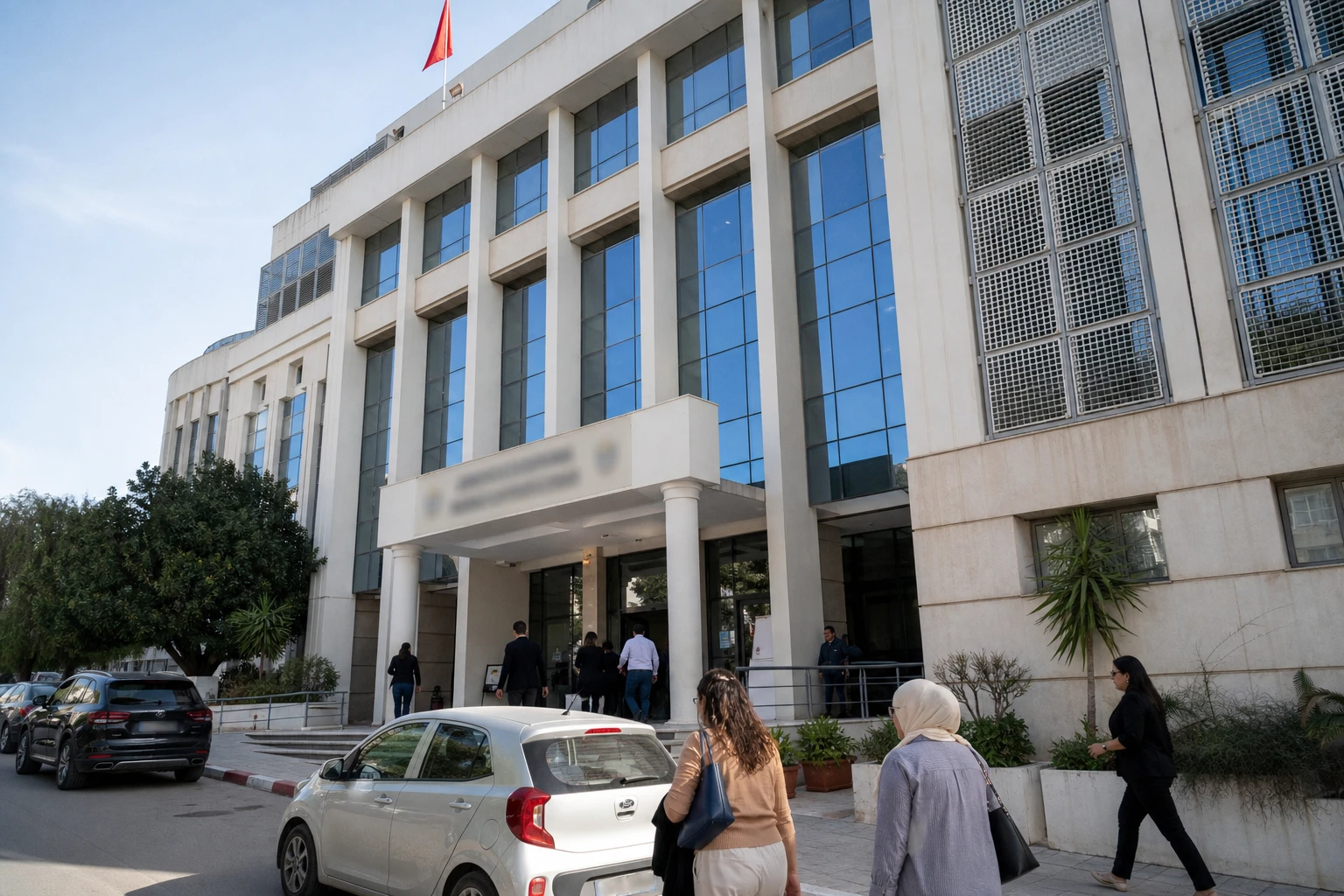
The issue goes beyond national symbolism. It affects the quality of public services, access to justice, medical care, the role of security forces and the state’s ability to provide sustained protection. In Tunisia, the Ministry of Family, Women, Children and the Elderly remains at the heart of this system, with mechanisms for listening to victims, referring them to services and providing support.
Figures confirm that violence persists
The picture is clear. According to UN Women’s country profile, 10.1% of Tunisian women aged 15 to 49 said they had experienced physical or sexual violence by a current or former partner in the past 12 months. The same document notes that women and girls aged 15 and over spend 21.9% of their time on unpaid domestic and care work, compared with 2.7% for men. These disparities fuel economic dependence, which often makes it harder to escape violence.
Tunisian civil society organisations paint an even more alarming picture of femicides. In 2024, the Aswat Nissa association recorded 26 cases in Tunisia, across 16 governorates, according to the public presentation of its annual report in May 2025. The previous year, another report had already recorded 25 cases. This continuity shows that the phenomenon is neither marginal nor isolated. It spans regions, from urban centres to more peripheral areas.
Reports received by the 1899 helpline provide another measure of the pressure. For 2025, the relevant Tunisian ministry announced 7,397 calls, including 4,485 reports of violence against women. Published in March 2026, this figure shows that demand for help remains high and that institutional detection is improving, without resolving the fundamental issues of prevention, protection and swift punishment.
Tunisia nevertheless has an important legal framework. Organic Law No. 2017-58 of 11 August 2017 aims to eliminate all forms of violence against women through prevention, prosecution of perpetrators, protection and support for victims. The Council of Europe also notes that this text remains the basis for the rights of women who are victims of violence in the country. The challenge, then, is not the absence of a law, but its consistent implementation across the territory.
| Indicator | Available figure | Source |
|---|---|---|
| Physical or sexual violence experienced in the past 12 months | 10.1% of women aged 15 to 49 | UN Women |
| Femicides recorded in 2024 | 26 cases | Aswat Nissa, reported by TAP |
| Femicides recorded in 2023 | 25 cases | Aswat Nissa, reported by TAP |
| Calls to the 1899 helpline in 2025 | 7,397 calls, including 4,485 reports | Tunisian ministry, reported by TAP |
| Legal framework | Organic Law No. 2017-58 of 11 August 2017 | Official Tunisian texts |
What this says about Tunisia today
The debate in Tunisia is no longer limited to the statement of rights. It now concerns whether those rights are effective. The country has built an advanced legal foundation, but actual access to protection still depends on where a person lives, the availability of support facilities, police responsiveness and victims’ ability to come forward. Differences between Tunis, major inland cities and rural areas matter, because support networks are unevenly available.
Economic factors also weigh heavily. When a woman depends on precarious income or informal work, leaving a violent household comes at a higher cost. The disparity in unpaid domestic work highlighted by UN Women shows that the invisible burden remains heavily concentrated among Tunisian women. In these conditions, violence is not only a security issue; it becomes an obstacle to social mobility, financial independence and political participation.
The political context also matters. In February 2024, UN Women reported that women held 15.7% of seats in Tunisia’s parliament. This under-representation mechanically limits the weight of women’s priorities in public decision-making. Yet the country retains a particular role in the North Africa region: it remains a legal and institutional reference point often cited, including by international organisations, in discussions about reforms to women’s rights.
The continent-wide significance is clear. Across Africa, femicides and gender-based violence remain seriously under-documented, even as UN Women and the United Nations Office on Drugs and Crime report that the continent has the highest rates, relative to the female population, of killings committed in the private sphere. Against this backdrop, Tunisia shows that an ambitious legal framework can exist without eliminating the risk. It also demonstrates that lasting reform requires robust public data, accessible remedies and an uninterrupted chain of protection.
Ultimately, the point of 13 August 2026 is less to celebrate an achievement than to assess its real impact. Seventy years after 1956, Tunisia retains a founding text and active institutions. But the persistence of femicides, domestic violence and reports received by support services is a reminder of an obvious truth: Tunisian law has paved the way; implementation must still deliver on its promise.