Algeria
 Egypt
 Libya
 Morocco
 Sudan
 Benin
 Burkina Faso
 Cabo Verde
 Côte d'Ivoire
 Ghana
 Guinea
 Guinea-Bissau
 Liberia
 Mali
 Mauritania
 Niger
 Nigeria
 Senegal
 Sierra Leone
 The Gambia
 Togo
 Cameroon
 Central African Republic
 Chad
 DR Congo
 Equatorial Guinea
 Gabon
 Republic of the Congo
 São Tomé and Príncipe
 Burundi
 Comoros
 Djibouti
 Eritrea
 Ethiopia
 Kenya
 Madagascar
 Malawi
 Mauritius
 Mozambique
 Rwanda
 Seychelles
 Somalia
 South Sudan
 Tanzania
 Uganda
 Angola
 Botswana
 Eswatini
 Lesotho
 Namibia
 South Africa
 Zambia
 Zimbabwe
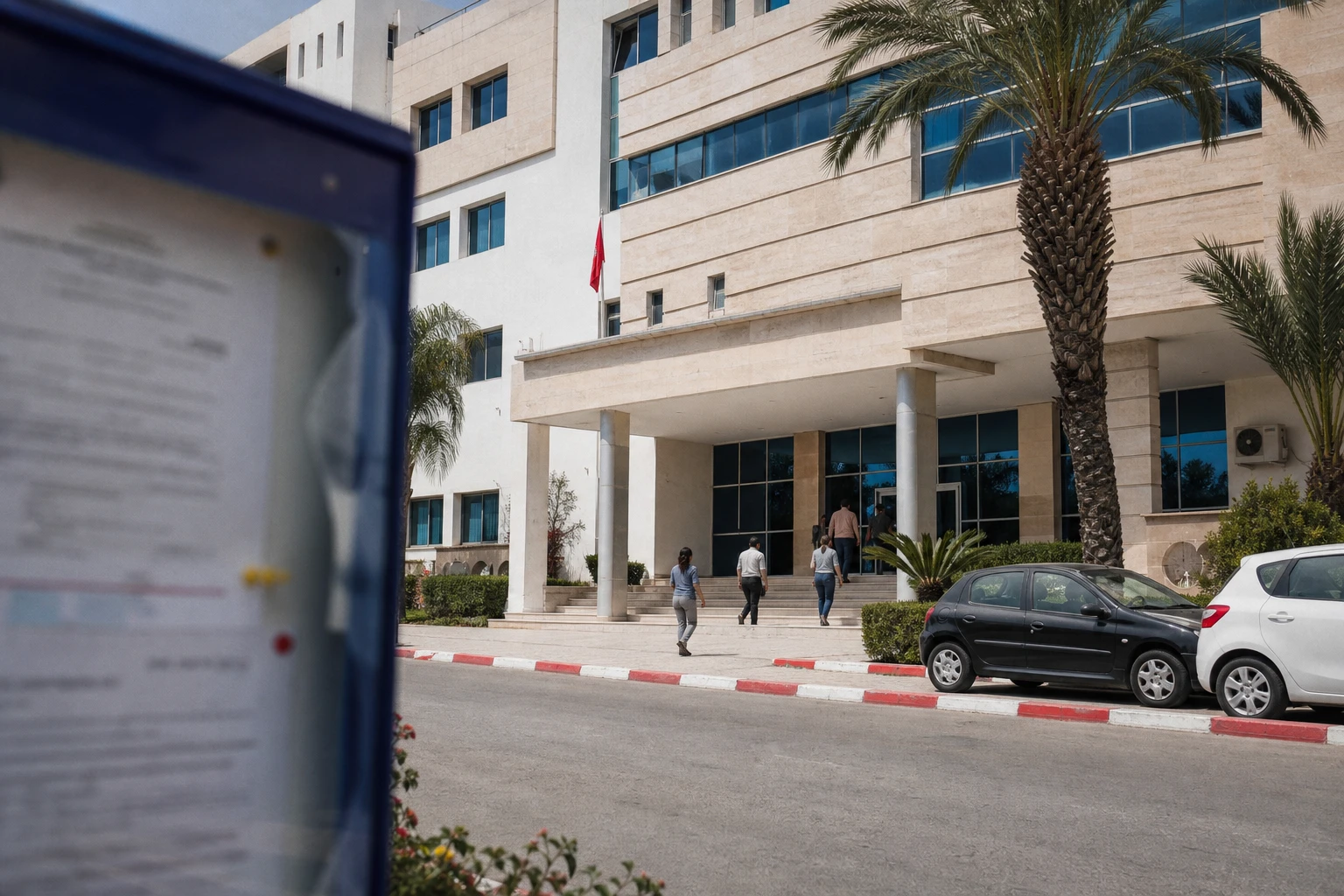
When the heat lays bare the networks
In Tunis, the end of August is no mere summer interlude. The heatwave has turned everyday services — water, electricity and bottled mineral water — into matters requiring daily vigilance. In several neighbourhoods, residents are dealing with outages, queues and uncertainty over when power or water will return. The tension is not due to the weather alone. It also reflects confidence in the state’s ability to protect everyday life.
This stress comes in a country already facing severe water pressure. The Tunisian Observatory for Water recorded 608 reports in July 2026, including 549 unannounced cuts or disruptions to drinking water supplies. It described the situation as a “critical phase of water emergency”. Meanwhile, the mineral water sector said it was operating at full capacity to meet rising demand. In other words, scarcity is no longer just a matter of public networks: it is also visible on shop shelves.
A summer of imbalances across Tunisia
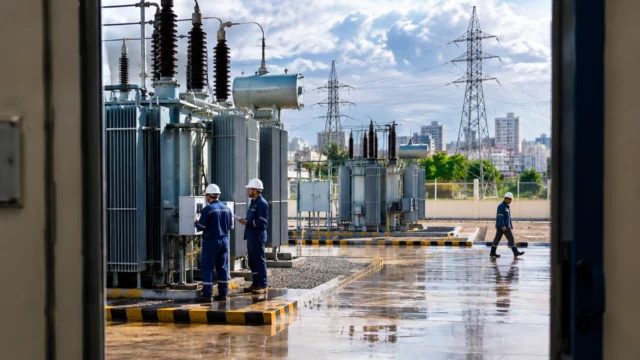
The root of the problem is well known, but it worsened in 2026. The state-owned utility STEG announced on 19 August that it would impose rolling power cuts in the Greater Tunis region, citing the need to preserve the safety and continuity of the network. Water distribution was also disrupted in several areas, notably Nabeul and the Tunis-Manouba region, according to statements reported by the Tunis Afrique Presse news agency. The crisis is therefore no abstraction: it is playing out locally, neighbourhood by neighbourhood and delegation by delegation.
The climate context helps explain the escalation. The World Meteorological Organization said that July and early August 2026 had been marked by extreme heat, with Africa among the regions to record its hottest July. In Tunisia, the National Institute of Meteorology had already forecast, in late June, above-average temperatures for July-August-September. This backdrop does not explain everything, but it weighs heavily on infrastructure already under strain.
Against this backdrop, the authorities have adopted a very firm political tone. On 27 August, Tunisia’s presidency said that the head of state, Kaïs Saïed, had described water and power cuts as “planned acts of sabotage”. The presidency said a meeting had been held with the heads of STEG and SONEDE, the national water distribution company. In its statement, the president linked the disruptions to an attempt to destabilise the country.
Between crisis management and a battle over the public narrative
This interpretation is not universally accepted. The Sfax Regional Labour Union, an important branch of the UGTT, criticised the government’s handling of the situation and rejected the use of conspiracy rhetoric to explain economic and social difficulties. This disagreement is not merely institutional. It reflects two views of the crisis: on one side, a government emphasising threats and sabotage; on the other, social actors stressing failures of governance, investment and forward planning.
For households, the impact is immediate. Power cuts make it harder to keep food fresh, use air conditioners and pump water. Water outages put pressure on poorer households, which cannot always store water or buy enough bottled supplies. Small businesses, cafés and hotels are also hit by knock-on effects: fewer customers, higher costs and disrupted services. Tourism, already vulnerable to logistical problems, bears the brunt of this kind of breakdown during a period of intense heat.
The issue is also an economic one. In summer, electricity demand rises, water consumption increases and networks struggle to cope with heat peaks. When the system falters, the effects quickly spread to production, transport, markets and public services. Tunisia is not alone in North Africa. Across the Maghreb, episodes of water stress and extreme heat are becoming more frequent, raising a straightforward question: how can networks be modernised without shifting the burden solely on to consumers?
What this crisis says about Tunisia and the region
Within Tunisia, this episode is testing the strength of the social state. The provision of water and electricity is no administrative detail. It is a promise of continuity, especially during the hottest months. When that promise falters, anger quickly rises, all the more so in a country where social media amplify scattered frustrations. Large-scale protests remain limited, but dissent is taking more sporadic, diffuse and local forms, often harder to contain.
Regionally, Tunisia illustrates a challenge shared by North African countries: adapting ageing infrastructure to growing demand in a harsher and less predictable climate. The issue therefore goes beyond this particular political episode in Tunisia. It concerns water security, energy resilience, the tourist season and, more broadly, the credibility of public services in the face of extreme weather. That is where the next chapter will be decided: not through an announcement, but through the ability to stabilise networks before the next heatwave revives the same equation.
The continent-wide significance is clear. On a continent where cities are growing rapidly and heat episodes are becoming more intense, reliable access to water and energy is becoming a key measure of public sovereignty. Tunisia is a stark reminder: when infrastructure wears out, the crisis is not merely technical. It becomes social, economic and political all at once.