Algeria
 Egypt
 Libya
 Morocco
 Sudan
 Benin
 Burkina Faso
 Cabo Verde
 Côte d'Ivoire
 Ghana
 Guinea
 Guinea-Bissau
 Liberia
 Mali
 Mauritania
 Niger
 Nigeria
 Senegal
 Sierra Leone
 The Gambia
 Togo
 Cameroon
 Central African Republic
 Chad
 DR Congo
 Equatorial Guinea
 Gabon
 Republic of the Congo
 São Tomé and Príncipe
 Burundi
 Comoros
 Djibouti
 Eritrea
 Ethiopia
 Kenya
 Madagascar
 Malawi
 Mauritius
 Mozambique
 Rwanda
 Seychelles
 Somalia
 South Sudan
 Tanzania
 Uganda
 Angola
 Botswana
 Eswatini
 Lesotho
 Namibia
 South Africa
 Zambia
 Zimbabwe
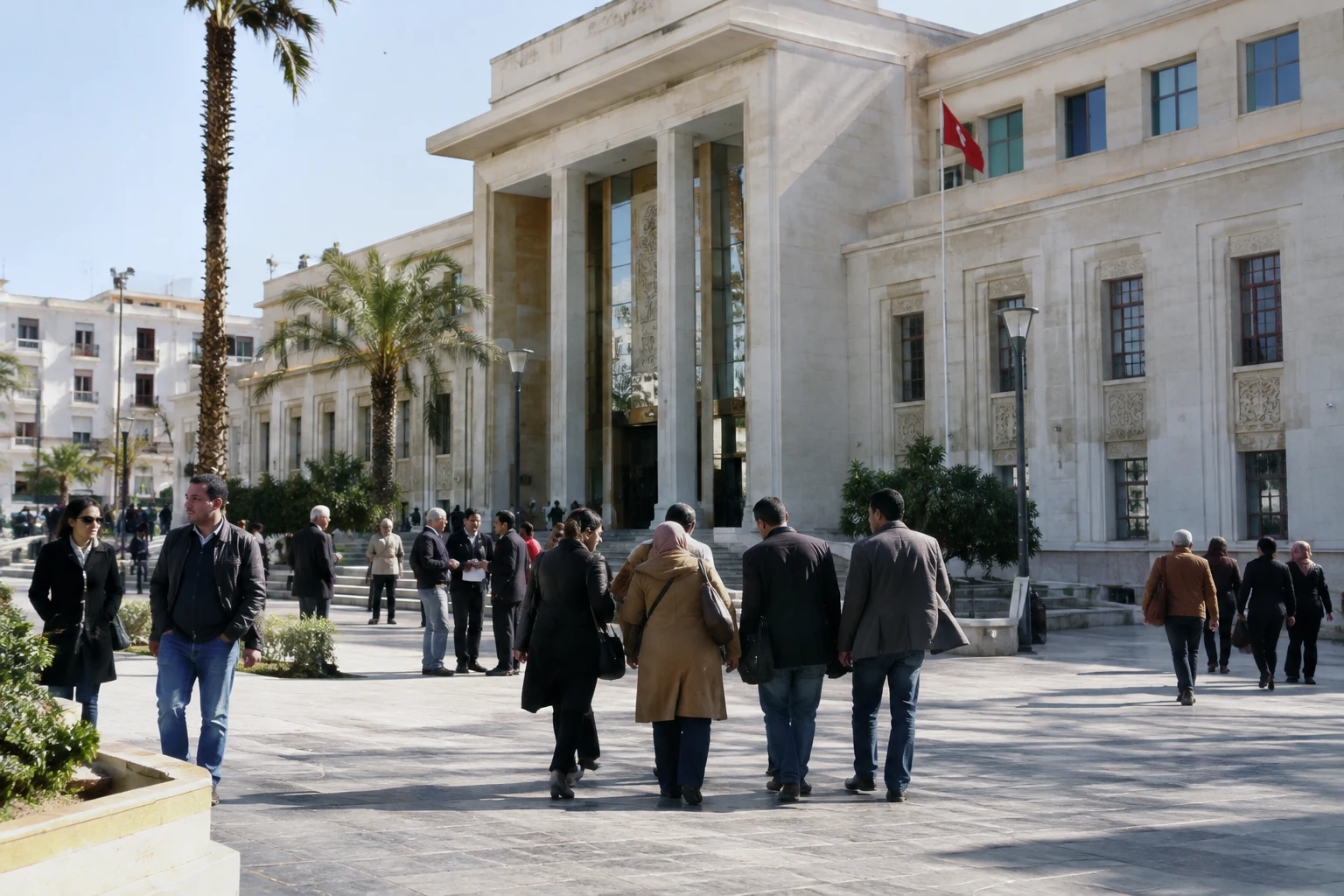
In Tunis, demands over the price of essential goods are now merging with calls for freedoms and changes to the way institutions function. The demonstration on Saturday 17 October brought together unions, associations and opponents around these concerns, without erasing their differences.
A mobilisation backed by nine organisations
Several thousand people marched through central Tunis, including along Avenue Habib Bourguiba. Agence France-Presse estimated the turnout at more than 3,000, a figure reported by several media outlets. Other estimates were higher, but the total could not be independently confirmed.
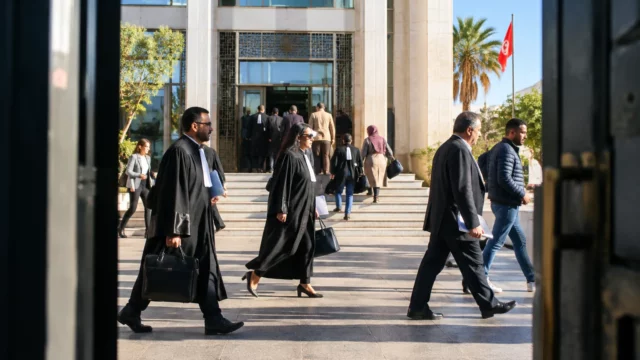
The call was issued by nine Tunisian organisations, including the Tunisian General Labour Union (UGTT), the National Union of Tunisian Journalists, the National Bar Association, the Tunisian Human Rights League and the Tunisian Forum for Economic and Social Rights. Representatives of professional organisations, political parties and civil society also joined the march.
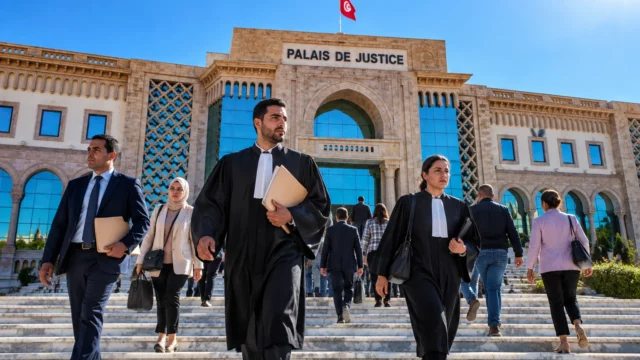
The slogans brought together purchasing power, dignity and civil liberties. Demonstrators called for the release of people detained over their political views, as well as respect for trade union rights and judicial independence. These demands reflect those of the organisers and participants; in themselves, they do not amount to a judicial finding on each case.
UGTT secretary-general Salah Eddine Salmi criticised the concentration of power in the hands of the presidency. The union, with a strong presence in both the public and private sectors, remains a major player in Tunisia’s social dialogue. Its presence gives the march a significance beyond that of a party rally.
Daily economic pressures at the heart of tensions
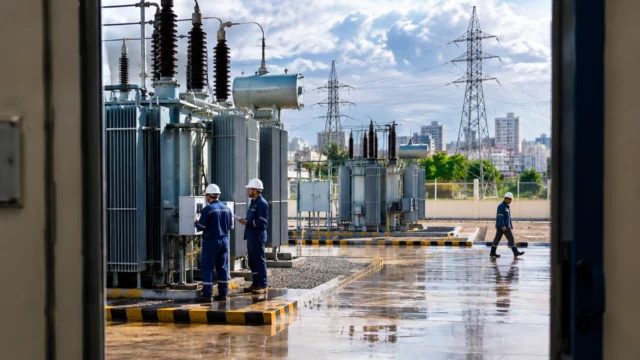
The rising cost of living and the erosion of purchasing power are among the concrete drivers of anger. These difficulties are compounded by problems with public services, including water and electricity cuts reported in several regions over the summer, as well as shortages of essential goods. Their severity varies across regions and households.
In Tunis, these issues are reflected in daily expenses and access to services. In the regions, disruptions to water and electricity can also affect farming, small businesses and travel. Formal-sector employees have organisations able to represent their demands collectively; self-employed and informal workers, by contrast, often have fewer ways to influence negotiations.
The march follows other protests held in 2026 over prices, shortages and freedoms. In August, a rally in Tunis had notably denounced difficulties in securing water and electricity supplies during the hot weather. In September, fuel transport workers also went on strike over wages and working conditions.
These episodes provide a social backdrop to the 17 October mobilisation, without proving that it heralds sustained protest. The march brings together different professions, political leanings and associations. Their ability to maintain co-ordination will be an important factor in what follows.
A political crisis weighing on dialogue
The rally comes amid an institutional trajectory shaped by decisions taken by Kaïs Saïed since 25 July 2021. The president then suspended parliament and dismissed the government. The constitution adopted in 2022 subsequently strengthened presidential powers. The authorities presented these changes as a response to political deadlock and corruption; opponents see them as a concentration of power and a rollback of checks and balances.
The disagreement is therefore not just about economic management. The organisations involved link the ability to defend wages and public services to the freedom to speak, organise and negotiate with the state. The president’s supporters, for their part, defend a strong executive as a way out of previous political crises. The demonstration makes this clash of interpretations visible, without resolving it.
Social dialogue is central. When it functions, it allows unions, employers and the government to discuss wages, prices and reforms. Its weakening reduces the scope for compromise and can shift demands on to the streets. The effects are particularly acute for low-income households, whose earnings are largely taken up by everyday expenses.
A Tunisian signal in a fragmented Maghreb
Tunisia is a member of the Arab Maghreb Union (AMU), which also brings together Algeria, Libya, Morocco and Mauritania. The organisation aims to promote regional co-operation, but political difficulties and tensions between its members have long limited integration. The march has no direct regional consequences; it does, however, serve as a reminder that political stability and living conditions are linked in public debates across the Maghreb.
Its pan-African significance also lies in the attention given to trade union freedoms and citizens’ representation. For African Union member states, the question is a familiar one: how can institutions and pluralistic expression be safeguarded while responding to urgent economic needs? Tunisia’s trajectory is national and cannot be generalised to the continent as a whole, but it feeds into this debate.
In the short term, the question will be whether the organisations maintain their unity and whether negotiations begin on social and trade union demands. The number of participants gives a measure of the mobilisation in the capital; on its own, it does not show how the authorities will respond or whether the movement will spread to other regions.