
 Algeria
 Egypt
 Libya
 Morocco
 Sudan
 Tunisia
 Benin
 Burkina Faso
 Cabo Verde
 Côte d'Ivoire
 Ghana
 Guinea
 Guinea-Bissau
 Liberia
 Mali
 Mauritania
 Niger
 Nigeria
 Senegal
 Sierra Leone
 The Gambia
 Togo
 Cameroon
 Central African Republic
 Chad
 Equatorial Guinea
 Gabon
 Republic of the Congo
 São Tomé and Príncipe
 Burundi
 Comoros
 Djibouti
 Eritrea
 Ethiopia
 Kenya
 Madagascar
 Malawi
 Mauritius
 Mozambique
 Rwanda
 Seychelles
 Somalia
 South Sudan
 Tanzania
 Uganda
 Angola
 Botswana
 Eswatini
 Lesotho
 Namibia
 South Africa
 Zambia
 Zimbabwe
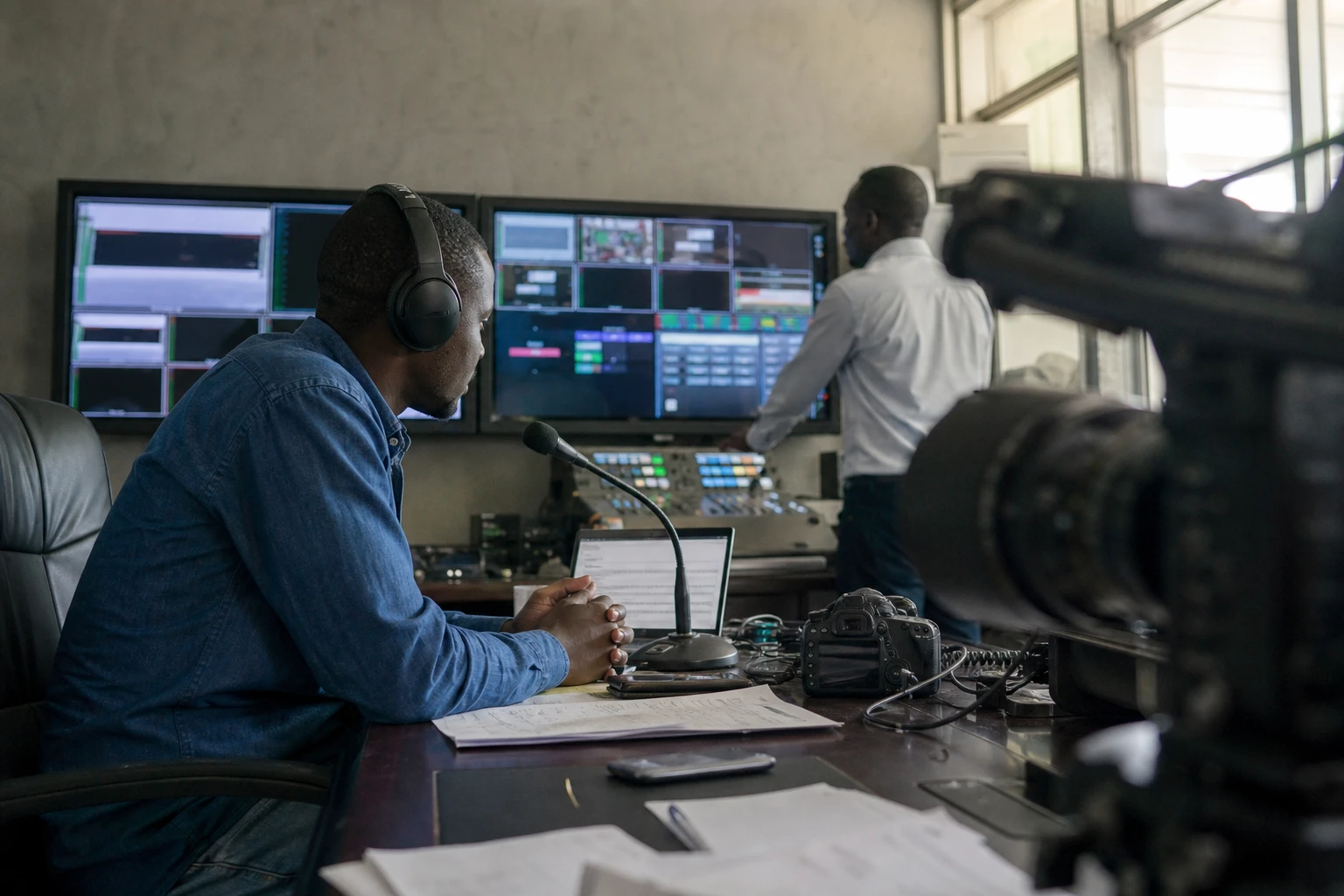
In Kinshasa, the dialogue is first and foremost about how it is run
In the Democratic Republic of the Congo, major political announcements are often judged by what they promise, but also by what they keep under control. That is exactly the case with the national dialogue sought by Félix Tshisekedi: the issue is not just bringing Congolese people around a table, but deciding who sets the agenda, who chooses the participants and who writes what comes next.
This process is unfolding in a country where security tensions, political mistrust and the question of state reform are intertwined. In the east, war continues to weigh on daily life, while debates about national cohesion also evoke the history of major Congolese transitions, from the Sovereign National Conference to more recent agreements, often fragile because they too quickly confused power-sharing with a lasting solution.
A presidential committee, not yet the dialogue itself
On 13 September 2026, Félix Tshisekedi established a committee tasked with preparing the creation of the commission that will organise the national dialogue announced on 28 August. The process has two stages: first a preparatory committee, then the commission that will lead the process itself. This distinction matters because the committee is not yet the forum for political discussion sought by the opposition. It must first address administrative, material, financial, technical, security, logistical and protocol matters.
According to the presidency, the dialogue is called the “National Dialogue for Peace, Cohesion and the Refoundation of the State”. It is to last no more than three months and begin with consultations in all 26 provinces before a final phase in Kinshasa. The executive presents this choice as a break with dialogues that in the past were reduced to makeshift arrangements. In his address on 28 August, the head of state also excluded from this framework actors who take up arms against the constitutional order or occupy part of the territory on behalf of a foreign power.
The committee’s composition has not yet been made public. It is precisely this lack of transparency that is prompting caution among opponents. The presidential decree gives the head of state the power to appoint a coordinator, a deputy and members of his choice, with the option of adding any resource person deemed useful. For now, the presidency therefore retains control over the timing, the faces and the method.
A majority in a hurry, an opposition on guard
The objections concern more than the principle of dialogue. They also relate to its credibility. The Article 64 Coalition has rejected the initiative, arguing that consultations without guarantees of inclusiveness do not constitute genuine national dialogue. The Common Front for Congo has also set conditions, notably calling for religious facilitation and international guarantees. Other opposition figures denounce a process designed to control the terms of discussion rather than open the way to a genuine compromise.
This mistrust is explained by a still-vivid political memory: in the DRC, dialogues have often served to defuse a crisis without always addressing its causes. The government says it wants to tackle the state’s structural weaknesses. The opposition, for its part, fears a process that would neutralise criticism while leaving the initial imbalances intact. In a context where several actors also fear a possible discussion about the Constitution, the battle over dialogue is already a battle over timing, guarantees and the definition of permitted topics.
Religious organisations, including CENCO and the ECC, continue to call for an inclusive dialogue. Their position remains influential in a country where churches have often acted as trusted mediators when political parties reach deadlock. Their involvement is a reminder that in the DRC, a process’s legitimacy is measured not only by its signature, but by the diversity of voices that see themselves reflected in it.
The east of the country, an unavoidable backdrop
It is impossible to understand this dialogue without returning to the east of the DRC. The region remains beset by conflict involving armed groups, border rivalries, regional security issues and diplomatic power dynamics. The United Nations says offensives and breaches of peace commitments continue to weigh on the country’s stability, despite ongoing discussions in several parallel forums. The United States and Qatar have backed other channels of negotiation, while the African Union continues to play a mediating role in this highly charged issue.
The regional significance is clear: what is at stake in Kinshasa goes beyond domestic politics. The DRC is a linchpin of Central Africa and a meeting point for the East African Community, SADC, the International Conference on the Great Lakes Region and the African Union. When the national dialogue falters, the balance between these forums also becomes clearer: some address the armed conflict, others the internal political realignment. If the two dynamics do not engage with each other, they risk producing partial solutions.
For Congolese people, the immediate stakes are tangible. In the cities, the question is whether the dialogue will lead to less political tension, more institutional breathing space and less strained public debate. In provinces affected by insecurity, the question is even more serious: a dialogue confined to Kinshasa would quickly lose its usefulness. That is why the choice to hold provincial consultations could become either a useful innovation or a mere procedural veneer.
What to watch now
The next test is straightforward: publication of the committee’s composition, followed by the actual timetable for consultations. Reactions will then follow from religious denominations, the opposition, civic platforms and political forces in the majority. If the committee can move beyond a closed appointment process and put clear guarantees in place, the dialogue can take shape. Otherwise, it will remain one more announcement in a political landscape already saturated with expectations and mistrust.



