Algeria
 Egypt
 Libya
 Morocco
 Sudan
 Tunisia
 Benin
 Burkina Faso
 Cabo Verde
 Côte d'Ivoire
 Ghana
 Guinea
 Guinea-Bissau
 Liberia
 Mali
 Mauritania
 Niger
 Nigeria
 Senegal
 Sierra Leone
 The Gambia
 Togo
 Cameroon
 Central African Republic
 Chad
 DR Congo
 Equatorial Guinea
 Gabon
 Republic of the Congo
 São Tomé and Príncipe
 Burundi
 Comoros
 Djibouti
 Ethiopia
 Kenya
 Madagascar
 Malawi
 Mauritius
 Mozambique
 Rwanda
 Seychelles
 Somalia
 South Sudan
 Tanzania
 Uganda
 Angola
 Botswana
 Eswatini
 Lesotho
 Namibia
 South Africa
 Zambia
 Zimbabwe
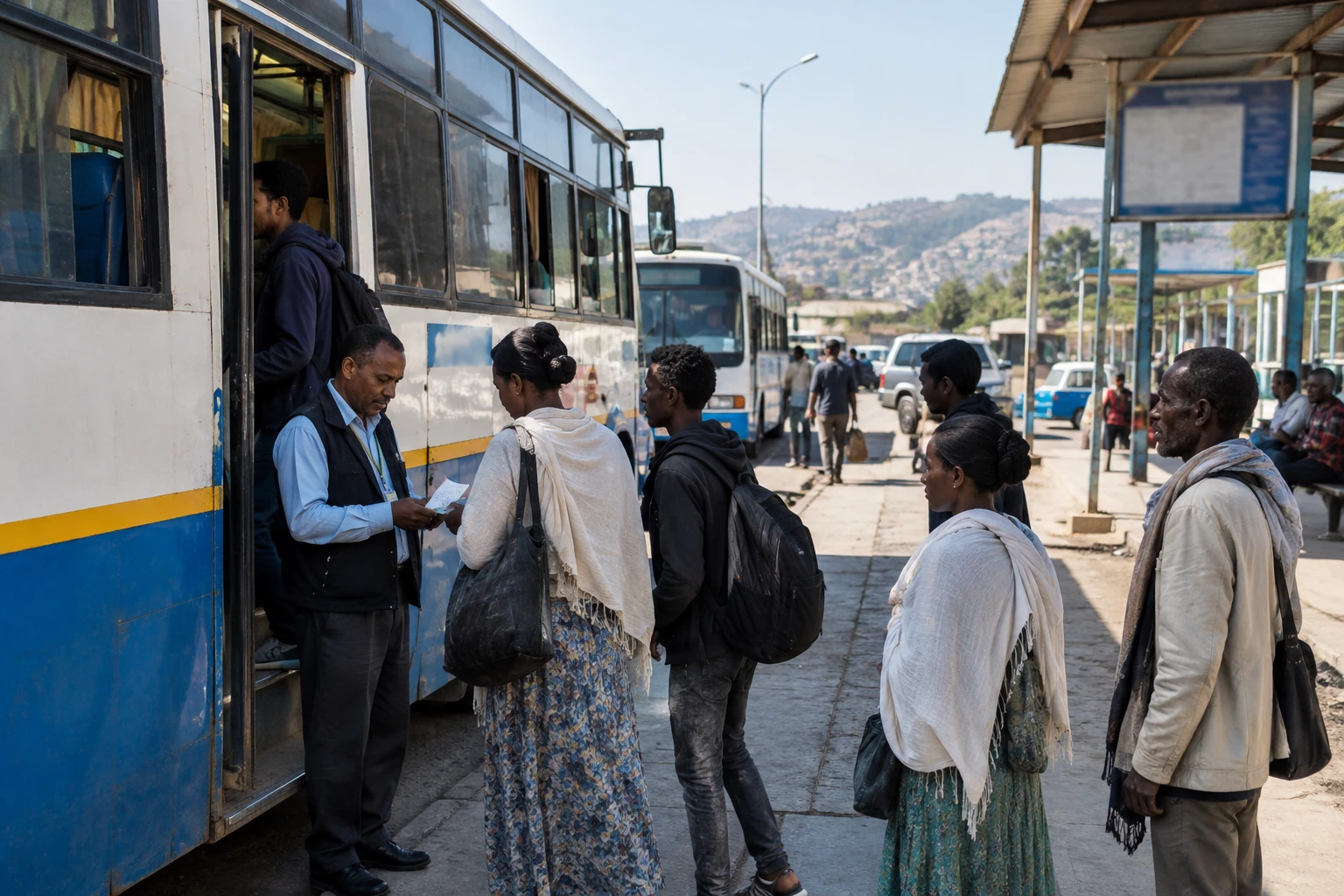
In Ethiopia, a political crisis in Tigray never remains an internal matter for long. The region borders Eritrea, and mutual accusations between Addis Ababa and Asmara raise the risk of a new confrontation between two countries already bound by a history of war and shifting alliances.
A warning amid renewed fighting
On Monday 19 October 2026, Ethiopian Prime Minister Abiy Ahmed issued a warning to Eritrea. Speaking in Tigrinya, he said that ignoring his government’s calls would have « very, very, very serious » consequences. He accused Asmara of serving as a base for forces hostile to Ethiopia. This accusation has not been publicly substantiated with verifiable evidence in the information available.
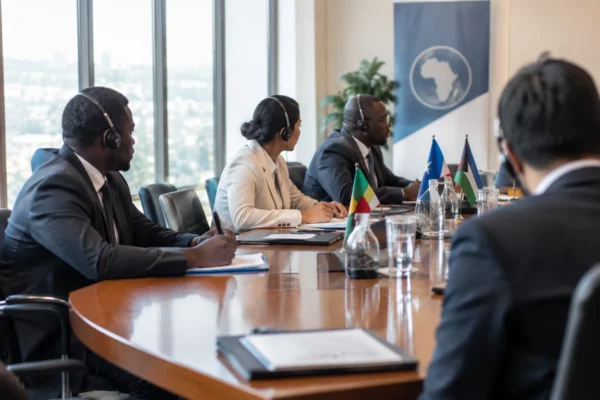
The statement came after fighting resumed in northern Ethiopia in late September. The Tigray People’s Liberation Front (TPLF), a political and armed movement that long dominated the region, clashed with federal forces and their allies. The fighting broke the fragile truce established by the November 2022 Pretoria Agreement, negotiated under the auspices of the African Union. The AU and the Intergovernmental Authority on Development (IGAD), an East African regional organisation, have called for de-escalation. An update on the renewed fighting and calls by the AU and IGAD.
The TPLF withdrew from Mekelle, the regional capital, in early October. The federal government then installed an interim administration, tasked, among other things, with preparing elections within six months. This timetable is an objective announced by the authorities, not a guarantee of a free vote or a lasting return to peace. The Associated Press and Reuters have reported on the establishment of this administration and preparations for elections. The tasks assigned to Tigray’s interim administration.
The Pretoria peace remains incomplete
The current crisis has its roots in a two-year war that began in 2020 between the federal government and Tigrayan forces. The Pretoria Agreement, signed in November 2022, ended the main fighting. It provided for disarmament, the restoration of public services and a political process. But the implementation of several provisions has remained contested. Rivalries over regional authority, disputed territories and the return of displaced people have fuelled tensions.
The balance of power has also shifted beyond Tigray. Eritrea, independent of Ethiopia since 1993, fought alongside the federal government during the 2020–2022 war. Since then, relations between Abiy Ahmed and Eritrean President Isaias Afwerki have deteriorated. The question of Ethiopian access to the Red Sea contributes to this mistrust: landlocked Ethiopia is pressing for greater access to the sea, while Asmara views some statements from Addis Ababa as a threat to its sovereignty.
Allegations of Eritrean support for armed groups must therefore be reported as allegations, not as established fact. Eritrean authorities, for their part, have rejected Ethiopian accusations that their troops are present on Ethiopian territory and have denounced what they describe as a threat to their sovereignty. The two governments’ accounts diverge, while independent information on military movements remains difficult to verify.
Civilians bear the consequences
For Tigray’s residents, a change in control of towns does not mean a return to normality. Fighting is disrupting travel, access to healthcare and economic activity. Residents interviewed by the Associated Press described closed banks and a lack of medical care in some areas. These accounts point to local difficulties but do not provide a comprehensive picture of the situation across the region.
Civilians risk suffering the immediate effects of any further escalation: insecurity, forced displacement and interrupted services. Traders and small businesses depend on safe roads and a functioning banking system. The federal authorities, meanwhile, must restore their political control without turning the interim administration into a mere instrument of coercion. For Tigrayan leaders, participation in a credible electoral process will also depend on security guarantees and a genuine place in the institutions.
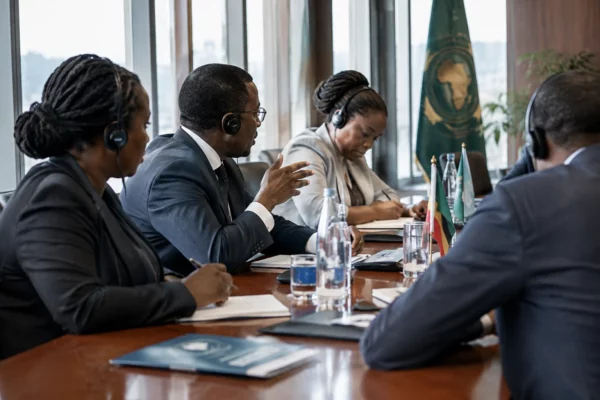
At the same time, the bilateral crisis could spill across the border. On 1 October, the African Union Commission expressed concern over rising tensions between Ethiopia, Eritrea and Egypt, and called for restraint. A few days later, it clarified its position following remarks by Egypt. This step highlights how frictions in the Horn of Africa form part of a broader regional dynamic, in which relations between neighbours and maritime security issues also matter. The African Union’s statement on regional tensions.
A test for African mediation mechanisms
The next challenge is twofold: to prevent clashes in Tigray from leading to an interstate war, and to give the 2022 truce political substance. IGAD can provide a forum for consultation between countries in the region. The African Union, which facilitated the Pretoria Agreement, remains central to restarting talks between the Ethiopian parties. But calls for restraint will have little effect without access to reliable information, guarantees for civilians and a willingness to negotiate.
Abiy Ahmed’s warning is not enough to establish that Eritrea is supporting Tigrayan fighters. It does, however, reveal the level of mistrust between the two capitals at a time when the commitments made in Pretoria are under strain. For Addis Ababa, the challenge is to secure the north and restore federal authority. For Asmara, it is to defend its sovereignty against the maritime ambitions it attributes to its neighbour. For Tigray’s residents, the immediate priority is more concrete: to prevent another war and regain institutions capable of ensuring their safety and providing essential services.