Algeria
 Egypt
 Libya
 Morocco
 Sudan
 Tunisia
 Benin
 Burkina Faso
 Cabo Verde
 Côte d'Ivoire
 Ghana
 Guinea
 Guinea-Bissau
 Liberia
 Mali
 Mauritania
 Niger
 Nigeria
 Senegal
 Sierra Leone
 The Gambia
 Togo
 Cameroon
 Central African Republic
 Chad
 DR Congo
 Equatorial Guinea
 Gabon
 Republic of the Congo
 São Tomé and Príncipe
 Burundi
 Comoros
 Djibouti
 Ethiopia
 Kenya
 Madagascar
 Malawi
 Mauritius
 Mozambique
 Rwanda
 Seychelles
 Somalia
 South Sudan
 Tanzania
 Uganda
 Angola
 Botswana
 Eswatini
 Lesotho
 Namibia
 South Africa
 Zambia
 Zimbabwe
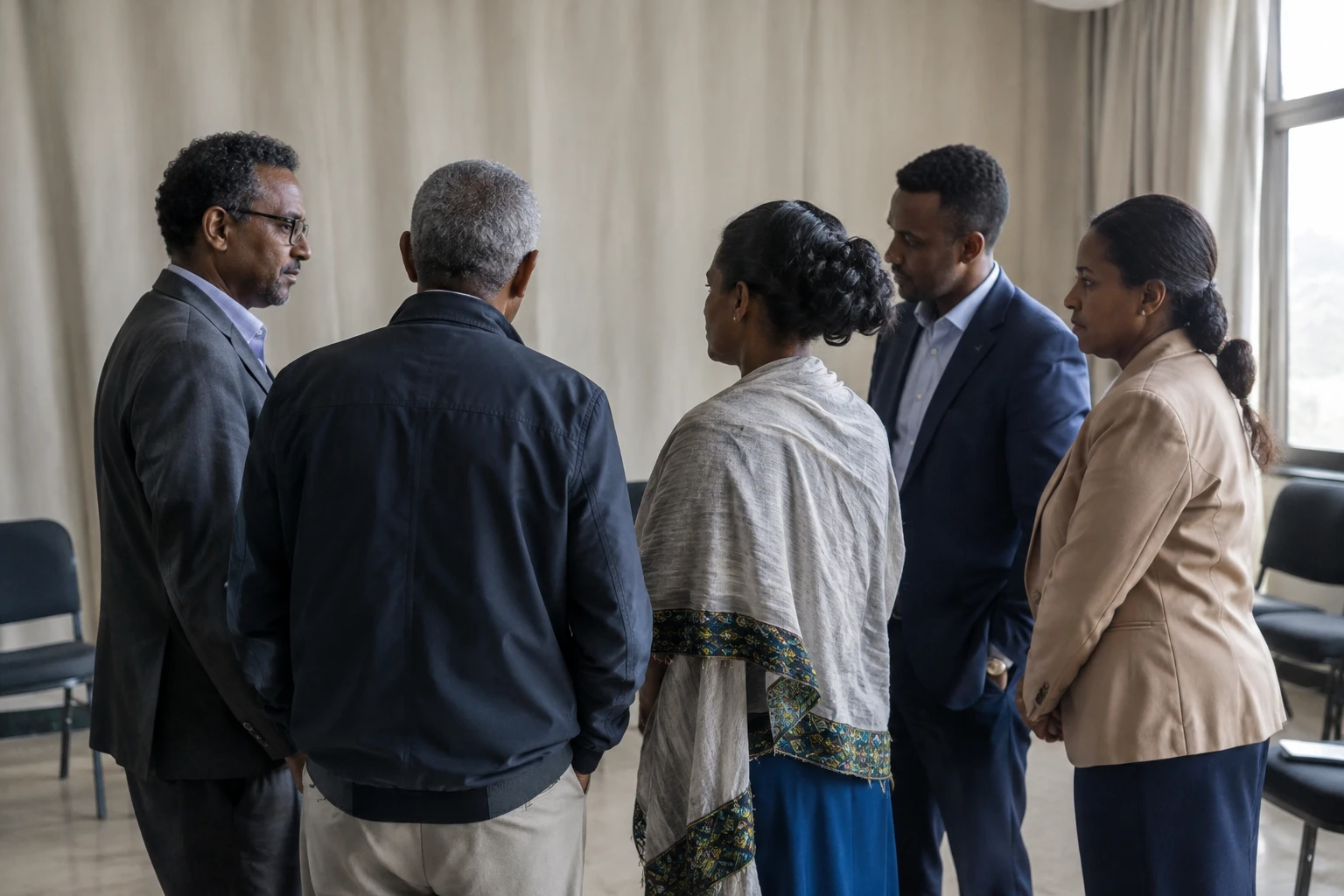
The recapture of a regional capital is not enough to silence the guns. In Tigray, the entry of forces allied with the federal government into Mekele and their advance towards the Eritrean border are shifting military lines, but resolve neither the rivalry with the Tigray People’s Liberation Front (TPLF) nor the crisis between Addis Ababa and Asmara.
A fragile Pretoria peace
Tigray, a region in northern Ethiopia, remains scarred by the 2020–2022 war between the federal government and the TPLF. The cessation of hostilities agreement signed in Pretoria on 2 November 2022, under the auspices of the African Union (AU), had reduced the fighting. It provided, in particular, for disarmament and the restoration of federal authority. But its implementation has remained incomplete: the return of displaced people, the resumption of services and political stabilisation have not taken place everywhere.
In March 2025, the AU was already calling on the parties to respect the agreement after fresh tensions within the TPLF. The resumption of clashes in September 2026 marks a new rupture. On 23 September, Tigrayan fighters seized Mekele airport. Commercial flights were suspended. In early October, the TPLF announced the withdrawal of its forces from the regional capital, where fighters allied with the federal government entered on 4 October.
This sequence is part of a wider regional crisis. Ethiopia and Eritrea, two neighbouring states in the Horn of Africa, restored relations in 2018 after years of tension. But relations have deteriorated again. Addis Ababa accuses Asmara of supporting armed groups and sending soldiers into Ethiopian territory. Eritrea denies the accusations. The two governments have recently taken diplomatic measures against each other, while the question of Ethiopian access to the Red Sea is fuelling tensions.
Recaptured towns, control still uncertain
On 10 October, footage filmed in Adigrat, about 25 kilometres from the Eritrean border, showed Ethiopian soldiers and military vehicles entering the town. Reuters also reported that government forces and their allies had retaken positions there. The previous day, the Associated Press had carried accounts reporting the presence of Eritrean soldiers in two localities in northern Tigray. These accounts alone, however, do not establish the scale or duration of any possible incursion.
The recapture of Mekele and key roads gives federal forces an advantage: it could hamper the movement and supply of TPLF fighters. But holding a town is not the same as securing lasting control of a large region, particularly its rural and mountainous areas. The TPLF had already left towns during the previous war before reorganising. A resumption of fighting outside urban centres therefore remains possible, though not certain.
The balance of power is also difficult to assess on the ground. Communications have been disrupted, and information from some areas remains fragmentary. The Ethiopian and Eritrean authorities offer opposing accounts of the presence and role of Eritrean troops. It is therefore important to distinguish observable facts — reported movements, towns retaken and flights suspended — from allegations that remain disputed.
For residents, access to services is also at stake
The consequences are not confined to the front. Flight suspensions and insecurity on the roads are complicating the delivery of aid and civilian travel. On 6 October, the United Nations said that 19 members of humanitarian organisations, stranded by the fighting, had had to leave the region by road. On 14 October, the UN announced an emergency allocation of $8.5 million to meet needs in several regions of northern Ethiopia. The aid is intended to reach more than 202,700 people, according to the organisation.
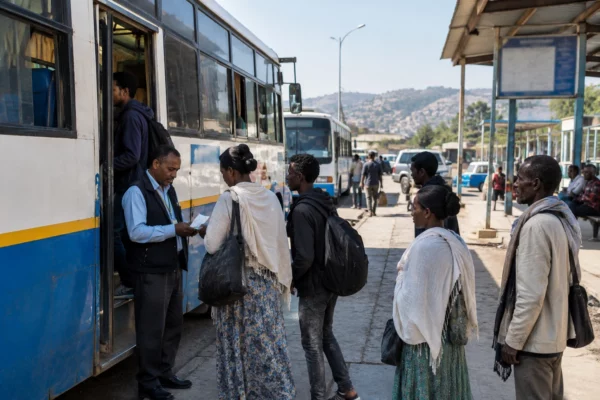
Residents of recaptured towns may hope for services and transport to return, but their safety will depend on whether the fighting continues. In rural areas, the dispersal of clashes could impede access to healthcare, fuel and markets. People already displaced risk being forced to leave again. The UN has raised concerns about the protection of civilians and disruption to humanitarian operations.
Abiy Ahmed’s government will also have to convince Tigrayans that its operations are targeting TPLF forces, not the region’s population. The restoration of federal funding and essential services, as well as regular access to medicines and cash, will shape that perception. An administration installed in the towns cannot, on its own, replace a political settlement accepted by the communities concerned.
The region watches for the risk of escalation
The danger extends beyond the stand-off between Addis Ababa and the TPLF. A direct clash between Ethiopia and Eritrea could spread the fighting across a region already beset by political and security crises. IGAD, the regional co-operation organisation in the Horn of Africa, and the African Union have a direct interest in preventing this escalation. The AU, which facilitated the Pretoria agreement, has urged the parties to uphold their commitments and is continuing its mediation efforts.
In the short term, several signs will be decisive: keeping Eritrean forces off Ethiopian territory, access for aid workers to affected areas, the resumption of civilian transport links and the willingness of Tigrayan and federal leaders to resume dialogue. For now, territorial gains are no guarantee of peace. Rather, they usher in a period in which every military move and every accusation between neighbours could turn an internal crisis into a regional confrontation.