Algeria
 Egypt
 Libya
 Morocco
 Tunisia
 Benin
 Burkina Faso
 Cabo Verde
 Côte d'Ivoire
 Ghana
 Guinea
 Guinea-Bissau
 Liberia
 Mali
 Mauritania
 Niger
 Nigeria
 Senegal
 Sierra Leone
 The Gambia
 Togo
 Cameroon
 Central African Republic
 Chad
 DR Congo
 Equatorial Guinea
 Gabon
 Republic of the Congo
 São Tomé and Príncipe
 Burundi
 Comoros
 Djibouti
 Eritrea
 Ethiopia
 Kenya
 Madagascar
 Malawi
 Mauritius
 Mozambique
 Rwanda
 Seychelles
 Somalia
 South Sudan
 Tanzania
 Uganda
 Angola
 Botswana
 Eswatini
 Lesotho
 Namibia
 South Africa
 Zambia
 Zimbabwe
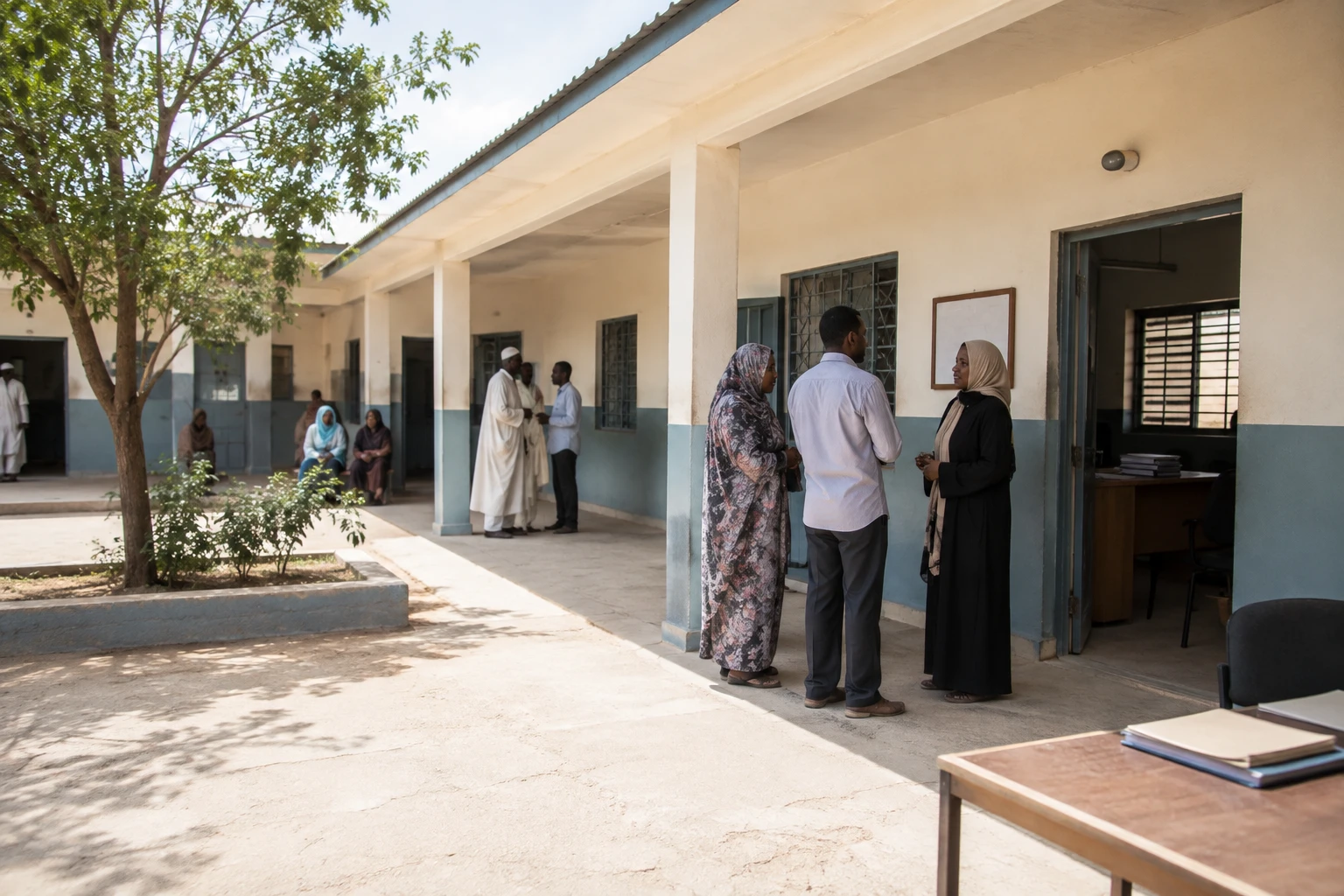
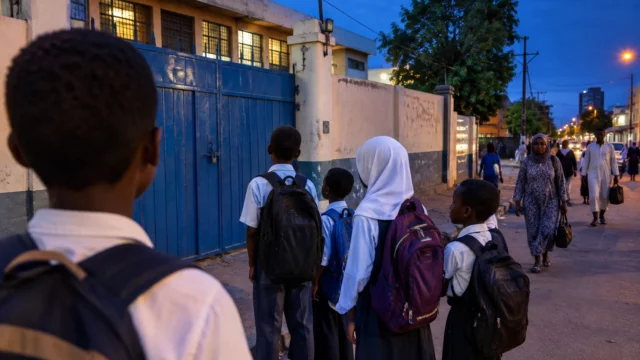
In Tawila, west of El-Fasher, some displaced people are still waiting for news of relatives who went missing as they fled. A year after the city fell, the issue is not only the death toll from the violence: it is also the protection of survivors, access to aid and the risk of further attacks.
A city under siege, then captured
El-Fasher, the capital of North Darfur, was the region’s last major centre held by the Sudanese army. The Rapid Support Forces (RSF), a paramilitary group fighting the army since April 2023, captured the city on 26 October 2025, after a months-long siege. The offensive brought an end to a blockade that had severely curtailed opportunities to flee and access supplies.
Darfur already bears the scars of past violence and mass displacement. But the current war pits two forces against each other in a struggle for power and control of territory across the country. It has displaced millions and weakened essential services, while political and military authority remains fragmented.
The crisis also affects neighbouring countries. Chad is hosting people who have fled Darfur, while the Intergovernmental Authority on Development (IGAD), a regional organisation in the Horn of Africa, called for a ceasefire and the protection of civilians after the city fell. Sudan’s war thus extends beyond the front lines: it is putting pressure on border communities and the region’s capacity to host displaced people.
Documented violence, missing people still being sought
A year after the events, the Coalition for the Prevention of Atrocities and Justice in Sudan warns that large-scale violence could happen again. It is calling for civilians to be protected and those responsible to be held to account. The warning comes amid a situation in which threats to the population have not disappeared.
United Nations investigations provide specific evidence about the days following the assault. In February 2026, the UN Office of the High Commissioner for Human Rights reported that it had documented more than 6,000 deaths during the first three days of the final offensive. The figure is based on interviews with more than 140 victims and witnesses, conducted in Sudan and eastern Chad. It is a toll documented by the investigation, not a comprehensive count of victims.
The UN’s Independent International Fact-Finding Mission, for its part, described large-scale attacks on civilians and crimes attributed to the RSF. In February 2026, it said the violence bore the “hallmarks of genocide”. The wording reflects experts’ conclusions about the evidence observed; it is not, in itself, a ruling by an international court.
Fleeing did not necessarily mean reaching safety. People had to travel along dangerous roads, and the fate of thousands of missing people remained uncertain in early 2026, according to the Office of the High Commissioner’s report. Others reached Tawila, camps in Chad or other parts of Sudan. Separated families, unaccompanied children and survivors of sexual violence have protection needs that do not end when they reach a place of refuge.
Providing aid without safe access, investigating despite obstacles
The distance between El-Fasher and places of refuge complicates efforts to search for people, provide assistance and follow up with displaced people. Humanitarian teams must be able to reach civilians unimpeded, including those still in the city or on the roads. Yet in a conflict where lines of control shift, access depends on assurances from armed forces and whether they are upheld in practice.
The response cannot be limited to emergency aid. Survivors also need healthcare, psychosocial support and help finding their relatives. In places hosting displaced people, displaced families share resources and services with local communities. Women and children exposed to violence or separated from relatives need specific attention, without reducing displaced people to their status as victims.
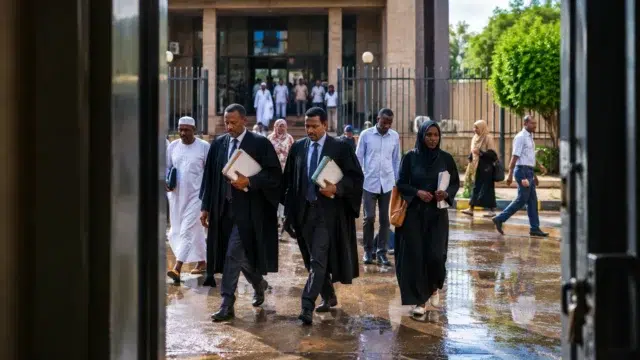
Documenting crimes presents another challenge. Recorded testimonies, preserved evidence and witness protection can contribute to future proceedings. But insecurity and difficulties accessing areas limit verification. Figures must therefore remain attributed, and accusations must clearly distinguish investigative findings from judicial decisions.
A warning for Sudan and the region
El-Fasher is a reminder of the cost of ignored warnings. Before the city fell, UN officials and IGAD had already voiced concern about the siege and the risks facing civilians. The regional organisation subsequently called for a ceasefire. A year later, calls to prevent further atrocities underline that early warning has an impact only when accompanied by concrete protection measures and guaranteed humanitarian access.
The conflict pits the Sudanese Armed Forces against the RSF, but its effects are felt first by residents: separated families, traders deprived of safe routes and aid workers prevented from reaching people. The consequences vary from place to place. Those still in El-Fasher face direct dangers; displaced people must rebuild their lives elsewhere; host communities are under additional pressure on their services.
For the African Union and IGAD, the challenge is both diplomatic and regional: to reduce the fighting, secure guarantees for civilians and support a political solution led by Sudanese people. Progress will be measured less by statements than by verifiable signs: the safety of roads, access for aid workers, the fate of missing people and the possibility of investigating crimes. In El-Fasher, the memory of violence remains bound up with an urgent present-day task: preventing its repetition.