Algeria
 Egypt
 Libya
 Morocco
 Tunisia
 Benin
 Burkina Faso
 Cabo Verde
 Côte d'Ivoire
 Ghana
 Guinea
 Guinea-Bissau
 Liberia
 Mali
 Mauritania
 Niger
 Nigeria
 Senegal
 Sierra Leone
 The Gambia
 Togo
 Cameroon
 Central African Republic
 Chad
 DR Congo
 Equatorial Guinea
 Gabon
 Republic of the Congo
 São Tomé and Príncipe
 Burundi
 Comoros
 Djibouti
 Eritrea
 Ethiopia
 Kenya
 Madagascar
 Malawi
 Mauritius
 Mozambique
 Rwanda
 Seychelles
 Somalia
 South Sudan
 Tanzania
 Uganda
 Angola
 Botswana
 Eswatini
 Lesotho
 Namibia
 South Africa
 Zambia
 Zimbabwe
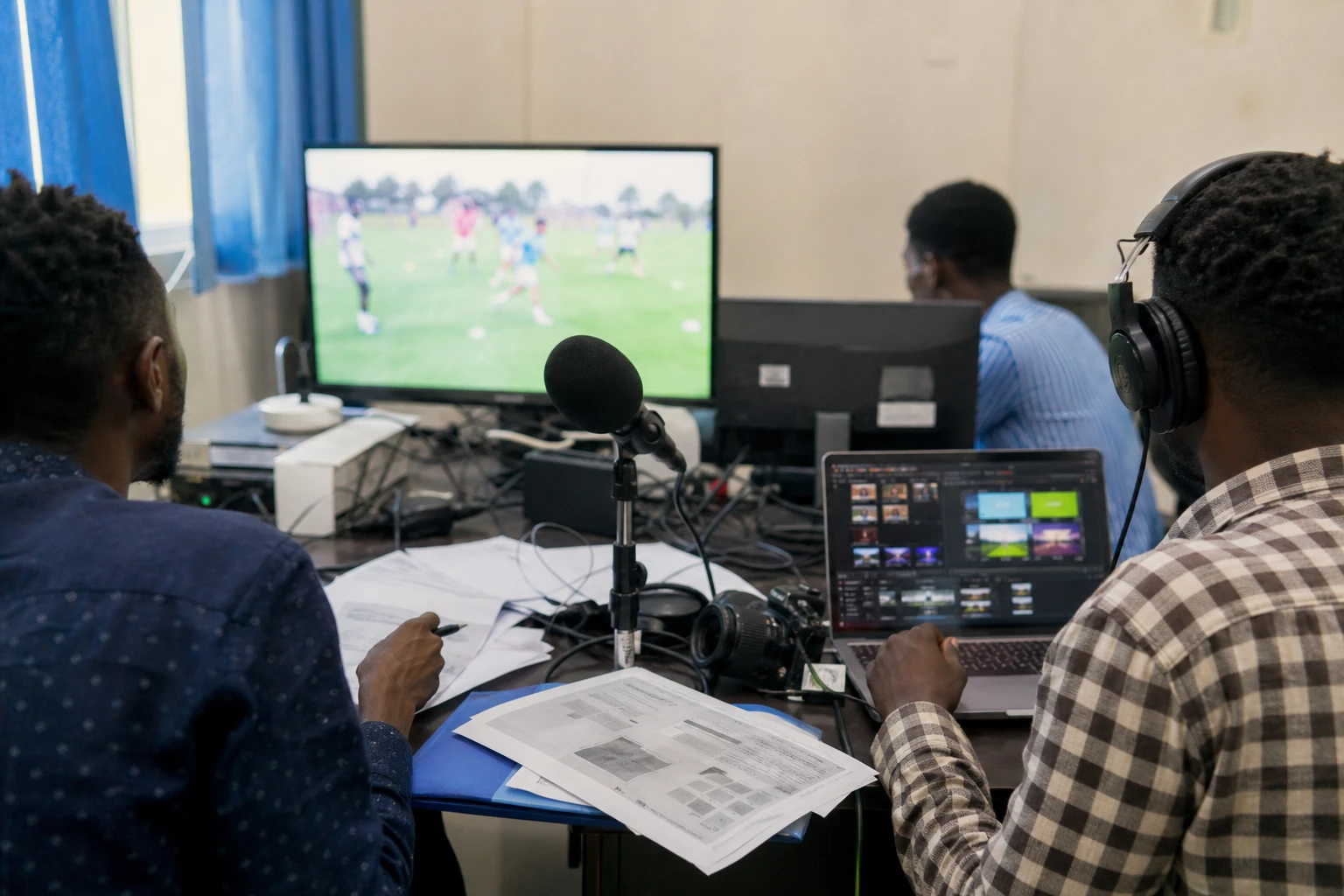
In a divided country, the pitch remains a space of continuity
In Khartoum, where war has upended daily life, some regular fixtures are still resisting the chaos. Training sessions for Sudan’s national dwarf football team — players living with dwarfism or marked short stature — speak to something broader than sport: the determination to preserve a place in society, even when everything pushes towards erasure.
Sudan has been in armed conflict since April 2023, turning Khartoum, the capital, into a battered city marked by mass displacement, disrupted public services and a humanitarian crisis the UN describes as one of the world’s gravest. In April 2026, the United Nations said needs continued to grow despite access constraints and insecurity. IGAD, the regional organisation for the Horn of Africa, and the African Union have also issued repeated calls for de-escalation and inclusive dialogue led by Sudanese themselves.
Against this backdrop, the presence of a sports team might seem incidental. It is not. It is a reminder that life in Sudan is not reduced to military fronts or humanitarian tolls. It also continues on the margins: in clubs, makeshift pitches, associations and volunteer networks that keep activities going as institutions falter.
A team founded in 2020 and supported by volunteers
According to information corroborated by Sudanese and Moroccan media, Sudan’s national dwarf football team was established and officially recognised in 2020 with the help of volunteers and sports journalists. The group is now aiming for the second edition of its category’s World Cup, which Morocco is due to host from 20 to 30 November 2026, with 24 teams expected. Sudan is among the countries set to take part.
Morocco was not chosen by chance. The kingdom has built a track record of hosting major competitions and using them as a means of sporting influence. After the Africa Cup of Nations, women’s and youth teams’ competitions, and the 2030 World Cup, which it will co-host with Spain and Portugal, Rabat is establishing itself as a logistical hub for continental and international football. This hosting capacity also explains why niche tournaments, long overlooked, are finding a stable setting there.
For Sudan’s players, the aim is simple: to be present on the international stage despite isolation, internal displacement and a lack of resources. Several training sessions are held in Khartoum when security and resources allow. The challenge is not only technical. It is also financial, medical and administrative. The team had already missed the competition’s first edition for lack of sufficient funding and because of travel difficulties.
Football as a space for dignity and representation
The players’ journey offers another image of Sudanese sport. Ibrahim Abdalla, one of the team’s members, says his passion stems from an old refusal: at primary school, he was not allowed to play with the others because he was considered too short. Such stories show why the national team matters beyond competition. It offers public recognition to athletes often excluded from mainstream structures.
Mohammed Nour Kasha, president of the relevant Sudanese federation, emphasises the group’s tenacity and its ambition to give the Sudanese public a reason to feel proud. This perspective matters. In a country where the news is dominated by war, population movements and economic crisis, sport becomes a common language. It connects the capital with the regions, displaced families with neighbourhoods still standing, and expatriates with those who have stayed in the country.
Sudan’s circumstances give this initiative particular significance. Khartoum remains the country’s symbolic political centre, but the war has reshaped its human and institutional balance. Recovery efforts, where they exist, often stem from scattered initiatives rather than a fully functioning system. In this context, every team that continues to train also becomes a marker of social resilience.
A sporting matter with regional and continental significance
The November 2026 tournament will bring together 24 teams, making it a genuinely global competition within the discipline. Sudan’s presence will therefore matter beyond the sporting result. It will show that a country at war remains part of African and international circuits, including spaces where the continent is rarely discussed other than through the lens of crisis.
This visibility is part of a broader trend seen in African football in recent months. Morocco has confirmed its ability to host large-scale events, while Sudan remains engaged in regional frameworks where paths out of crisis are discussed. IGAD recently welcomed Sudan’s return to full participation, a sign that diplomatic alignments remain open despite the war. The African Union continues to call for a ceasefire and a political solution led by Sudanese people.
Two milestones will therefore need watching. First, whether the team can bring its players together and overcome material obstacles by November 2026. Second, how Morocco incorporates the tournament into its sporting calendar, just months ahead of other major events. Between the two, Sudan’s case is a reminder of a simple truth: even in the heart of a war, societies continue to produce teams, acts of determination and horizons.