Algeria
 Egypt
 Libya
 Sudan
 Tunisia
 Benin
 Burkina Faso
 Cabo Verde
 Côte d'Ivoire
 Ghana
 Guinea
 Guinea-Bissau
 Liberia
 Mali
 Mauritania
 Niger
 Nigeria
 Senegal
 Sierra Leone
 The Gambia
 Togo
 Cameroon
 Central African Republic
 Chad
 DR Congo
 Equatorial Guinea
 Gabon
 Republic of the Congo
 São Tomé and Príncipe
 Burundi
 Comoros
 Djibouti
 Eritrea
 Ethiopia
 Kenya
 Madagascar
 Malawi
 Mauritius
 Mozambique
 Rwanda
 Seychelles
 Somalia
 South Sudan
 Tanzania
 Uganda
 Angola
 Botswana
 Eswatini
 Lesotho
 Namibia
 South Africa
 Zambia
 Zimbabwe
A rumour spread online, with a real issue behind the noise
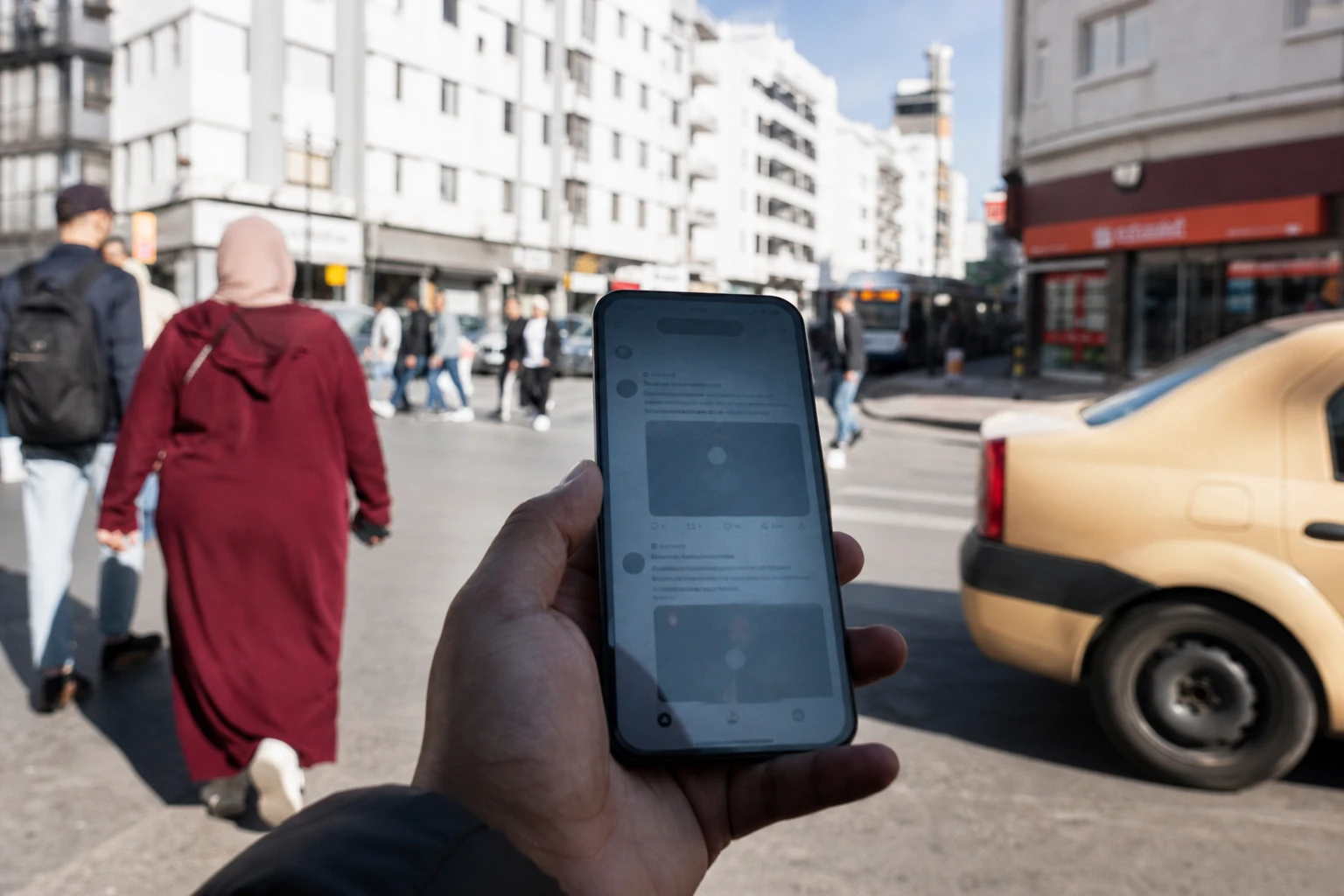
When flames spread in summer, images and accusations often travel faster than the facts. That is exactly what happened over Morocco and the fires in Spain: a viral post suggested that Rabat had refused to send water-bombing aircraft to Madrid. In reality, Spain had not asked Morocco for help at that time. The denial came from Spain’s Ministry of the Interior, was confirmed to EFE’s fact-checking unit and reported by Spain’s public broadcaster.
The issue goes beyond a simple diplomatic misunderstanding. Spain activated the European Union Civil Protection Mechanism, which allows European states to request personnel and equipment in the event of a disaster. In response, the European Union mobilised six aircraft from Greece, Italy and Turkey, as well as 134 rescue workers and 41 vehicles sent by Portugal. European teams had also been pre-positioned ahead of the fires to speed up the initial response.
The Maghreb is also under pressure from seasonal fires
The denial came at a highly sensitive time for North Africa. Morocco, Algeria and Tunisia are also experiencing a season marked by numerous fires, amid heatwaves and dried-out vegetation following a wetter winter and spring. In other words, this is not a case of one country offering help and another refusing it. Rather, it highlights how the entire Mediterranean region is facing a simultaneous rise in fire risk.
In Morocco, the National Agency for Water and Forests recorded 310 fires between 1 January and 20 July 2026, affecting around 1,850 hectares. The Souss-Massa region remains the most exposed, with nearly 600 hectares swept by flames. These figures were published by Moroccan public media based on the agency’s tally.
In Tunisia, the Directorate General of Forests said that around 4,400 hectares of forest and scrubland had burned between 1 May and 23 July 2026, compared with 2,705 hectares over the same period in 2025. In Algeria, Civil Protection reported 1,437 fires since 1 July, including 465 forest fires across 35 wilayas. Algerian authorities have also reported six deaths since the start of the summer.
What the Spanish episode reveals
The confusion over an alleged request to Morocco says something about how narratives of crisis take shape. An old video, a screenshot taken out of context or a claim repeated several times can be enough to create a false consensus. Here, the problem is not just the rumour. It is also the tendency to assign Rabat a role it was never officially asked to play, and then to interpret its absence as a refusal. The facts are simpler: Spain sought support from European partners, not Morocco, under the EU Civil Protection Mechanism.
For Moroccans, the issue matters on two levels. First, there is practical cooperation: the Kingdom has its own firefighting resources and, like its neighbours, is contending with a season that has become longer and less predictable. Then there is the question of public image: in the digital sphere, a Maghreb state can be accused without any formal request having been made. This fuels unnecessary tensions when the priority should be preparedness, prevention and coordination between emergency services on both shores of the Mediterranean.
The effects are also very tangible. In cities, fires disrupt travel, overwhelm emergency departments and threaten electricity and road networks. In the countryside, they hit farms, pastures, working forests and the small incomes tied to the forest. When aerial resources are scarce, the human and economic cost rises very quickly. Figures from Spain also show that southern European states now rely on stronger European logistics, with aircraft and teams placed on standby before summer.
A Mediterranean warning, not a bilateral dispute
Viewed at a regional level, the episode confirms a reality well known to Maghreb and Mediterranean states: fires respect neither borders nor political narratives. Extreme heat, dry soils, pressure on forests and urbanisation in some areas are increasing the vulnerability of the entire Mediterranean rim. The challenge is therefore not just to count the hectares burned, but to strengthen warning systems, forest management and the sharing of emergency resources.
For Morocco, the episode also underlines the importance of swift, verifiable public information. At a time when a rumour can travel from Casablanca to Madrid in minutes, credibility depends on clear data, dated reports and official channels able to respond without delay. Morocco, Algeria and Tunisia face the same imperative: protect forests, keep residents safe and prevent the climate emergency from turning into a battle of narratives. The next points to watch will be the end of summer, the most critical period, and the availability of aerial resources on both sides of the Mediterranean.