
 Algeria
 Egypt
 Libya
 Morocco
 Sudan
 Tunisia
 Benin
 Burkina Faso
 Cabo Verde
 Côte d'Ivoire
 Ghana
 Guinea
 Guinea-Bissau
 Liberia
 Mali
 Mauritania
 Niger
 Nigeria
 Senegal
 Sierra Leone
 The Gambia
 Togo
 Cameroon
 Central African Republic
 Chad
 DR Congo
 Equatorial Guinea
 Gabon
 Republic of the Congo
 São Tomé and Príncipe
 Burundi
 Comoros
 Djibouti
 Eritrea
 Ethiopia
 Kenya
 Madagascar
 Malawi
 Mauritius
 Mozambique
 Rwanda
 Seychelles
 Somalia
 South Sudan
 Tanzania
 Uganda
 Angola
 Botswana
 Eswatini
 Lesotho
 Namibia
 Zambia
 Zimbabwe
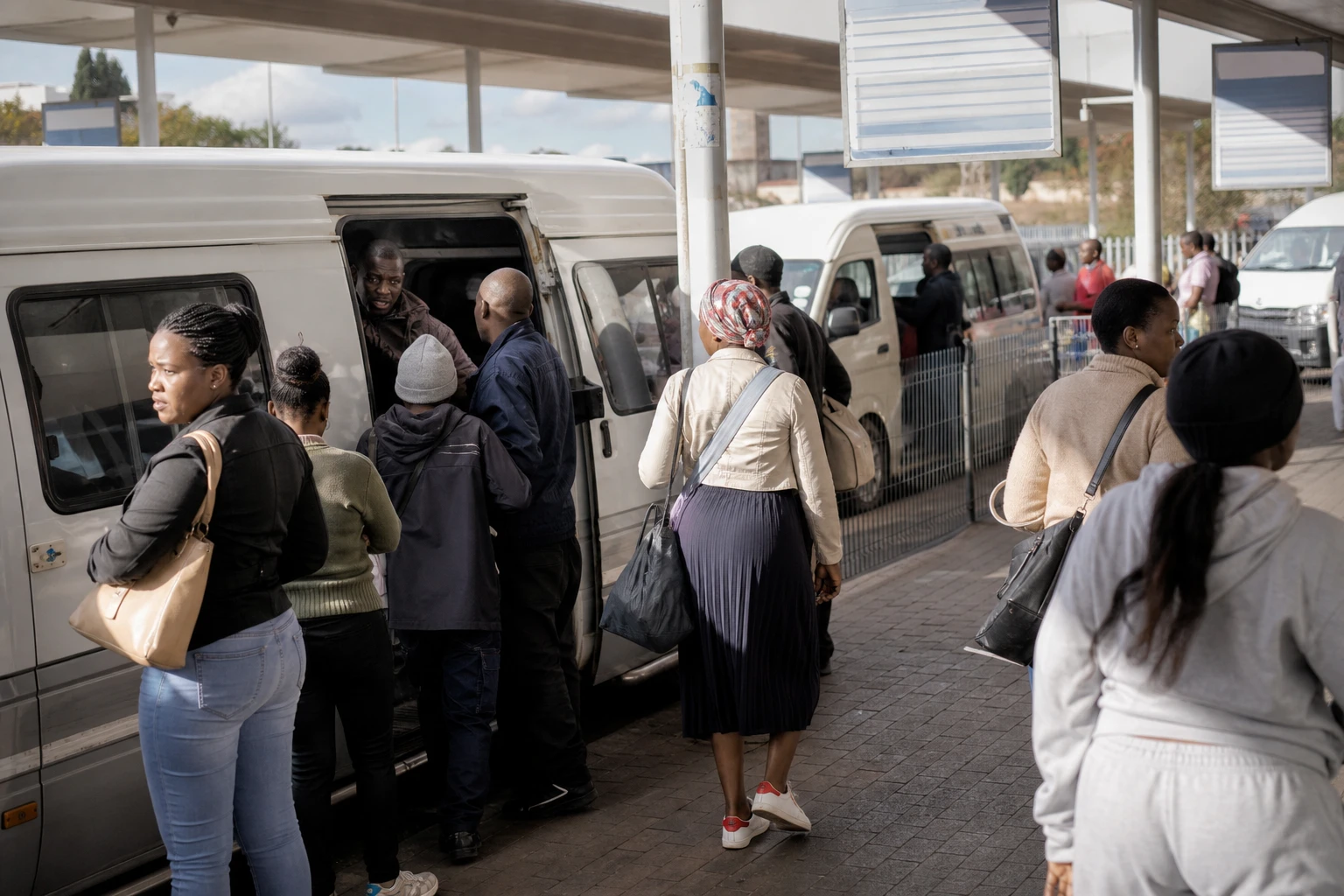
In South Africa, two shootings within a few hours have brought home a reality residents already know: firearms remain at the heart of much violence, in urban neighbourhoods and outlying areas alike. At least 27 people were killed between Saturday night and Sunday morning near Johannesburg and Cape Town. Meanwhile, investigators are continuing their search following the discovery of several women’s bodies east of Johannesburg.
Two attacks, two areas confronting violence
The first shooting took place on Saturday evening in Wedela, south-west of Johannesburg, in Gauteng province. The South African police said eight armed men opened fire at a venue frequented by local residents. Seventeen people were killed and 15 others wounded, according to the initial figures given to the media.
A few hours later, a second attack targeted a gathering place in Lwandle, near Cape Town, in Western Cape province. Ten people lost their lives and 11 others were wounded. The perpetrators fled. At this stage, police have not established a link between the two attacks or confirmed their motives.
The authorities are examining, among other possibilities, conflicts linked to gangs, arms trafficking or local criminal activity. These lines of inquiry remain open. For now, they do not constitute a judicial conclusion. Investigators still need to identify the shooters and determine whether the victims were targeted or caught up in a wider attack.
The two incidents come just days after another shooting near Durban, in KwaZulu-Natal province. Eleven people were killed at a party held at a home. The repeated attacks are fuelling concern in several provinces as police try to regain control of neighbourhoods where illegal weapons are circulating.
Another investigation fuels fears in Johannesburg
In eastern Johannesburg, the discovery of an eleventh woman’s body has heightened fears of a possible series of murders. The bodies have been found in the Ekurhuleni municipality over recent weeks. The victims are believed to be mostly young women, but investigators have yet to establish the precise circumstances of each death.
South African police have cited similarities between some of the cases. They have, however, declined to confirm the existence of a serial killer. This caution is essential: only the investigation, supported by forensic analysis and judicial evidence, can establish a possible link between the cases.
Two women have been arrested in connection with one of the killings. Their appearance before a court in Boksburg has been postponed until 1 October, when an application for bail may be considered. Their arrest does not mean that the other murders have been solved.
For Ekurhuleni residents, the challenge goes beyond finding a suspect. It also concerns the ability of public services to protect women in residential areas, on public transport and in poorly monitored locations. President Cyril Ramaphosa has called for these investigations to be treated as a priority. The response expected is therefore about prevention and support for families as much as arrests.
A security crisis extending beyond major cities
South Africa has one of the continent’s most industrialised economies. Yet regional inequalities, unemployment, the presence of criminal networks and the weakness of some local services complicate the work of the police. Violence does not affect all communities in the same way. Poorer neighbourhoods, informal settlements and areas dominated by informal economies are often more exposed.
The government has already increased the presence of security forces in several parts of Johannesburg. However, deploying soldiers or police officers alone does not address the causes of violence. The authorities must also improve criminal intelligence, weapons control and witness protection. For bereaved families, the priority remains a swift, independent investigation that leads to action in court.
The issue also concerns the Southern African Development Community, SADC, which brings countries in the region together on shared issues, including security and cross-border movement. Criminal networks do not always stop at borders. Arms trafficking and money laundering therefore require cooperation between states, beyond national responses alone.
In Senegal, Pink October begins with screening
In Dakar, the weekend also saw a public health mobilisation. The Senegalese League Against Cancer, LISCA, organised a walk to launch Pink October activities. The campaign focuses on breast cancer prevention and screening, as well as information about cervical cancer.
LISCA president Fatma Guenoune said Senegal recorded about 2,220 new cases of breast cancer each year, with more than 1,300 deaths. These figures reflect delays in diagnosis and continued unequal access to care. Awareness-raising therefore cannot be limited to the capital. It must reach the regions and rural areas, as well as women who forgo consultations for financial or geographical reasons.
LISCA has also announced increased support for women who test positive. This approach addresses a difficulty that is often less visible: screening is only meaningful if patients can then access diagnostic confirmation, treatment and medical follow-up.
In Madagascar, social demands remain at the centre
In Madagascar, 25 September 2025 marked the start of a mobilisation led by young demonstrators. Their initial demands concerned access to water and electricity and improved living conditions. A year later, debate continues over the tangible results of that period and who has benefited from the announced changes.
This question reflects a concern shared by several African countries: a mobilisation can bring about a change of government or promises without quickly transforming daily life. Essential services, trust in institutions and the state’s ability to respond to local needs remain the main indicators citizens watch.
From South Africa to Senegal and Madagascar, these events show societies facing different urgent challenges. Security, health and access to public services have one thing in common: announcements are not enough. People expect institutions to protect them, provide care and be accountable, at national level and within African regional frameworks.



