Algeria
 Egypt
 Libya
 Morocco
 Sudan
 Tunisia
 Benin
 Burkina Faso
 Cabo Verde
 Ghana
 Guinea
 Guinea-Bissau
 Liberia
 Mali
 Mauritania
 Niger
 Nigeria
 Senegal
 Sierra Leone
 The Gambia
 Togo
 Cameroon
 Central African Republic
 Chad
 DR Congo
 Equatorial Guinea
 Gabon
 Republic of the Congo
 São Tomé and Príncipe
 Burundi
 Comoros
 Djibouti
 Eritrea
 Ethiopia
 Kenya
 Madagascar
 Malawi
 Mauritius
 Mozambique
 Rwanda
 Seychelles
 Somalia
 South Sudan
 Tanzania
 Uganda
 Angola
 Botswana
 Eswatini
 Lesotho
 Namibia
 South Africa
 Zambia
 Zimbabwe
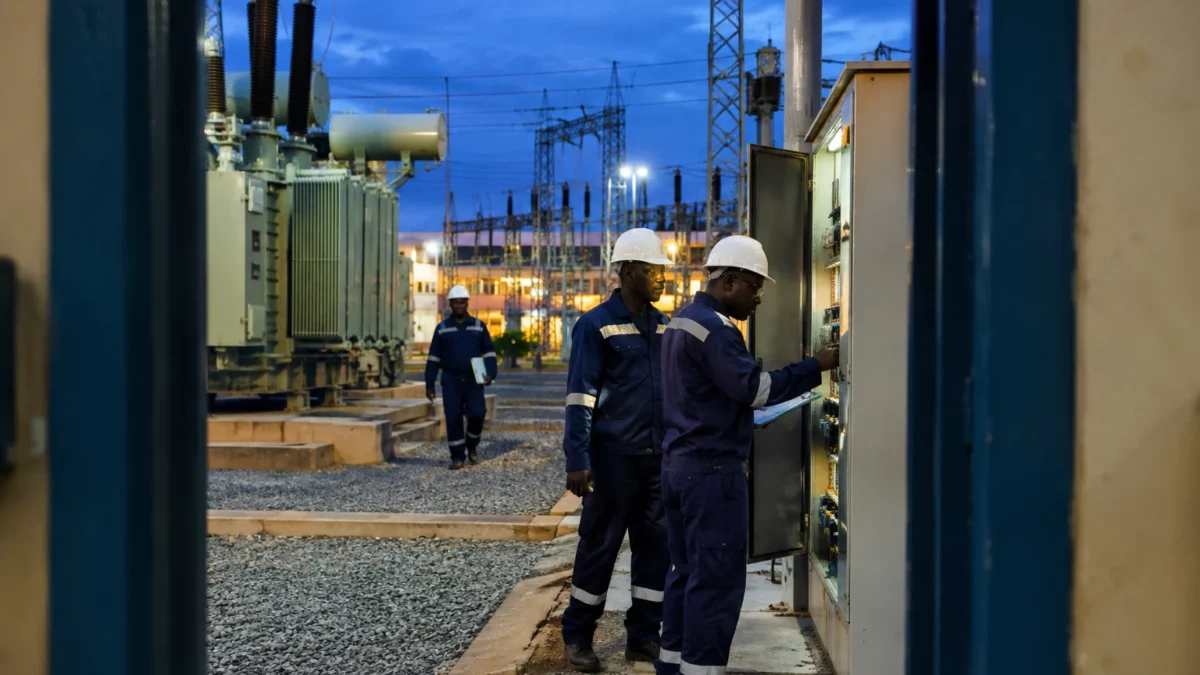
Four thousand nine hundred and thirteen billion CFA francs: the figure announced in Abidjan gives a measure of the ambitions pinned on mining, hydrocarbons and energy. But it represents financing prospects, not investments already made. For Ivorians, the central question remains which projects will come to fruition and how much value will be created in the country.
Projects to finance, not capital already committed
The second edition of the International Exhibition of Extractive and Energy Resources (SIREXE) closed on 22 November 2026. At the closing, the government reported investment prospects of 4,913 billion CFA francs for 19 projects, or about $8.16 billion. The Ivorian Press Agency and the government portal reported the same amount and number of projects.
The figure should be treated with caution. An announced prospect is neither a funded contract, a project under way nor a guarantee of future production. According to the review presented by the exhibition’s commissioner-general, Mireille Niango épouse Aka, five projects are in financing negotiations and 13 are in exploratory discussions. These stages indicate progress, but do not yet specify which projects have secured their financing.
The government also cites 27 agreements signed during the exhibition. This total should not be confused with the 19 projects presented to investors under SIREXE Invest: the two figures refer to different categories. Information published so far does not detail the firm amount associated with each agreement or the implementation schedules.
Processing more resources locally
Côte d’Ivoire is seeking to attract capital across several sectors at once. Mining and hydrocarbons can generate export revenues, while electricity underpins the operation of industries and infrastructure. The challenge is therefore not limited to extracting more: it also involves processing resources, developing local suppliers and better aligning projects with the needs of the economy.
This approach is reflected in the Integrated Mineral Resources and Energy Policy (PIRME), presented to the Council of Ministers on 3 December 2025. The government plans to implement it over 15 years and estimates its total cost at 38,000 billion CFA francs. The strategy aims in particular to coordinate mining and energy policy and strengthen their contribution to the national economy. The official statement on PIRME places this ambition within the country’s development trajectory.
The timetable brings this policy into line with the 2026-2030 National Development Plan, which sets public and private investment priorities. For Ivorian companies, the benefits will depend in particular on their access to subcontracting markets, skills and infrastructure. For communities near project sites, practical concerns also include jobs, services, land and monitoring environmental effects. The exhibition’s announcements alone do not make it possible to assess these benefits.
A precedent to interpret carefully
After the first edition in 2024, organisers claimed that more than 4,000 billion CFA francs of investment had been executed, an amount presented as exceeding the commitments announced. This provides a useful precedent, but it is not an independent verification of each project. Comparing the editions would require knowing how “executed” was defined, how much was actually disbursed and which projects were completed.
The distinction matters for public debate. Major extractive projects can mobilise substantial investment, but their benefits are not automatically shared between the state, local companies and people in the regions concerned. Taxation, local content requirements, training and contract transparency all shape how those benefits are distributed. The country already has a mining code and institutions that monitor the sector; their enforcement will matter as much as the appeal presented to investors.
Regional ambitions will depend on delivery
Côte d’Ivoire’s strategy is unfolding in a West African region where energy, ports and transport corridors extend beyond national borders. Côte d’Ivoire is a member of ECOWAS, the Economic Community of West African States. Interconnected energy infrastructure and regional value chains could broaden projects’ markets, but they require operational agreements, reliable networks and coordinated investment between countries.
The partnership signed with Botswana on 30 July 2026 in the fields of mining and energy also illustrates the desire to broaden African cooperation. The agreement, confirmed by the Ivorian government and the Ivorian Press Agency, establishes a framework for work between two countries with distinct experience. However, it does not in itself guarantee that joint projects will be launched or skills transferred: these results will depend on decisions made after the signing.
The next step will therefore be less about the headline figure than about tracking the 19 projects: which secure financing, on what timetable, and with what local processing and economic benefit requirements? These are the indicators that will show whether Côte d’Ivoire can turn its extractive and energy ambitions into sustainable activity for its businesses and people alike.