Algeria
 Libya
 Morocco
 Sudan
 Tunisia
 Benin
 Burkina Faso
 Cabo Verde
 Côte d'Ivoire
 Ghana
 Guinea
 Guinea-Bissau
 Liberia
 Mali
 Mauritania
 Niger
 Nigeria
 Senegal
 Sierra Leone
 The Gambia
 Togo
 Cameroon
 Central African Republic
 Chad
 DR Congo
 Equatorial Guinea
 Gabon
 Republic of the Congo
 São Tomé and Príncipe
 Burundi
 Comoros
 Djibouti
 Eritrea
 Ethiopia
 Kenya
 Madagascar
 Malawi
 Mauritius
 Mozambique
 Rwanda
 Seychelles
 Somalia
 South Sudan
 Tanzania
 Uganda
 Angola
 Botswana
 Eswatini
 Lesotho
 Namibia
 South Africa
 Zambia
 Zimbabwe
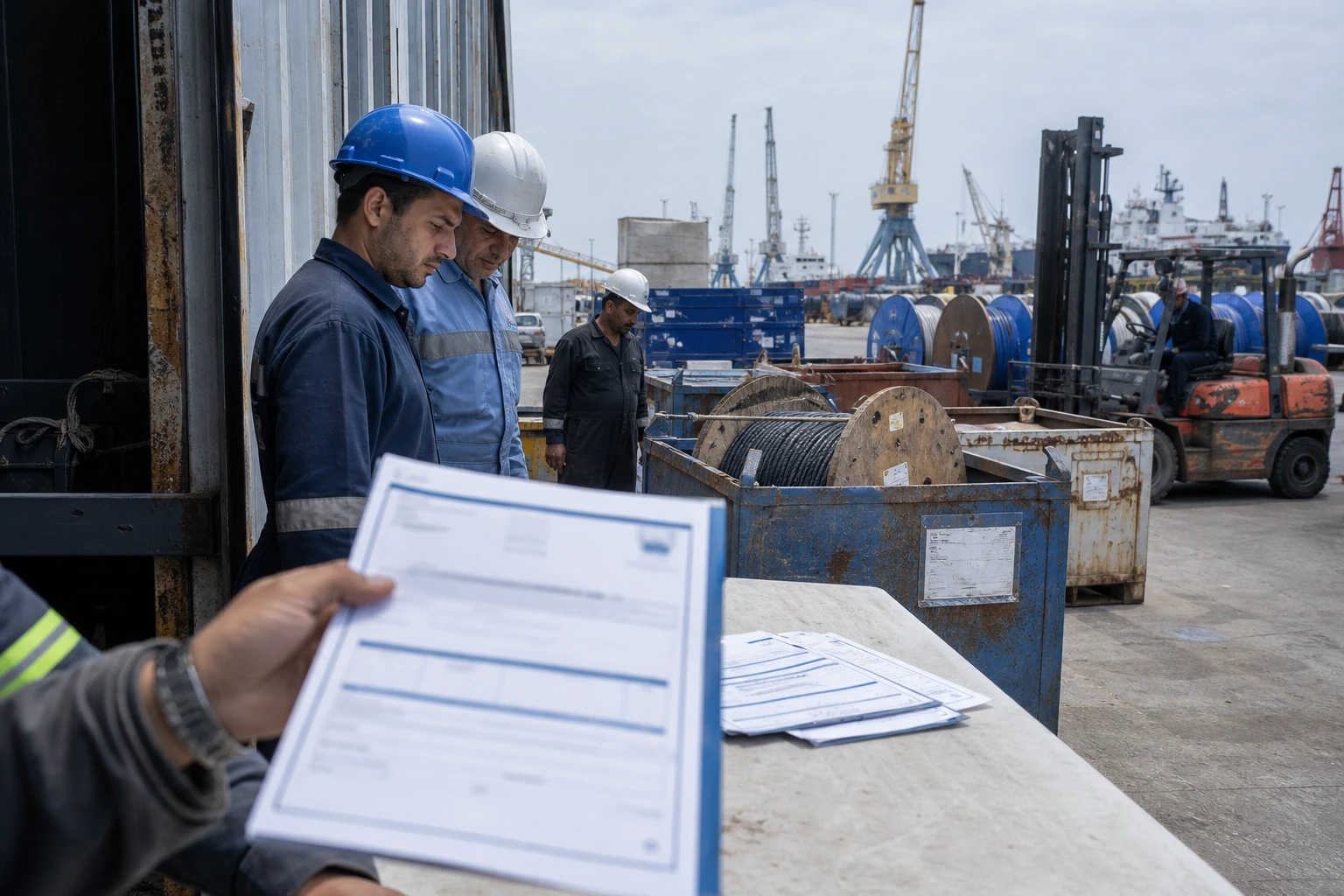
A breakthrough offshore from Cairo, in a little-known area
In Egypt, major energy decisions are now being made far from visible terminals and the capital’s main thoroughfares. They are moving out to sea, off the Mediterranean coast, where each new well can change understanding of the subsurface and, ultimately, the country’s energy bill. The Velox-1X well, drilled in the North Cleopatra block, fits this logic exactly: searching in a still little-explored area for resources that could ease a burden weighing on Cairo.
A strategic Mediterranean basin that remains underexplored
The North Cleopatra block lies in the Herodotus Basin, offshore Egypt in the western Mediterranean. Egyptian petroleum authorities describe the area as “virgin” territory, where no exploratory drilling had been carried out before Velox-1X. Egypt’s oil ministry sees it as a way to obtain new geological data, open up further exploration prospects and attract more capital to upstream oil and gas.
This is significant. The eastern Mediterranean has already accounted for a large share of regional discoveries, while the western shore remains far less documented. According to specialist outlet EnterpriseAM, the western Mediterranean seabed has long been far less extensively drilled than the eastern part, explaining the particular value of a positive indication of oil. Shell, Chevron, Tharwa Petroleum and EGAS are therefore working in a frontier area, where the challenge is not only to find oil but also to map a basin that is almost new to the industry.
What Shell says it has found
On 27 July 2026, industry sources said Shell had identified traces of crude oil in the Velox-1X well. The company reached a geological target about 6,500 metres below the seabed, from a deepwater location at a depth of around 2.8 kilometres. EnterpriseAM reports that drilling was completed ten days ahead of schedule and that the well was drilled using the Stena IceMAX vessel. The publication also says the result confirms the existence of an active petroleum system in the Herodotus Basin.
However, an indication of oil must be distinguished from a commercial discovery. At this stage, Shell and its partners are still examining samples, technical data and reservoir quality to determine whether the deposit can be developed profitably. Egypt’s oil ministry, for its part, has announced neither recoverable reserves nor a timetable for what comes next. In the oil industry, this distinction matters: an active petroleum system is not always enough to justify production.
An international consortium, with Egypt firmly in the driving seat
Shell operates the North Cleopatra block with Chevron, Tharwa Petroleum and EGAS. QatarEnergy is finalising the steps required to formally join the partnership. Egypt’s oil ministry confirmed this structure during a visit to the site by the minister on 11 July 2026, alongside Shell and Chevron officials. Shell’s programme in Egypt for 2026 includes several wells, and Velox-1X is the fourth, according to the Egyptian authorities.
This structure highlights a key feature of Egypt’s current approach: the state is seeking to remain at the centre of the action while attracting foreign majors. The ministry is emphasising lower drilling costs, the use of advanced technology and faster exploration. At the same time, international groups retain a decisive role in financing, technical expertise and risk-taking. Cairo’s logic is clear: turn offshore resources into a production driver without relinquishing control of a strategic sector.
A discovery to be viewed in the context of Egypt’s energy situation
The timing gives the announcement wider significance. Egypt has had to increase its imports of liquefied natural gas because domestic production has been deemed insufficient. S&P Global said in January 2026 that the country’s LNG imports could reach 11.14 million tonnes for the year, up 26.3% from 2025. In the same month, market data cited by Reuters indicated that Egypt was preparing to import LNG to meet demand between July 2025 and June 2026.
In other words, every new resource matters for the budget balance, power plant supplies and the stability of the domestic market. For a country seeking to remain a regional gas hub between the Mediterranean and the Middle East, the discovery of an oil indication in very deep water does not solve anything on its own. But it could make Egyptian offshore acreage more attractive at a time when the authorities are seeking to revive investment and support domestic production under pressure. The effects differ for each stakeholder: greater visibility for the state, more options for operators, but a still uncertain benefit for consumers if commercial viability is not confirmed.
What this means for Egypt and beyond
At national level, Velox-1X is a reminder that Egypt is not only seeking to import its way out of a shortfall. The country is also trying to rebuild its resource base, offshore and in the Western Desert, to reduce its vulnerability to global markets and geopolitical tensions. This is as much a matter of economic sovereignty as of industry. Regionally, the result is of interest across the African Mediterranean, as it could encourage further exploration campaigns in basins that remain poorly understood.
The next steps will unfold on two fronts. First, the well must be assessed: technical teams will have to determine whether the crude found warrants development. Then come investment decisions: Shell, Chevron, QatarEnergy and their Egyptian partners will have to weigh drilling costs, recovery potential and the timetable for production. For Egypt, the real test is therefore not the announcement itself, but whether it can be turned into recoverable volumes in an energy market where every metre of the subsurface now matters as much as every imported cargo.