
 Algeria
 Egypt
 Libya
 Morocco
 Sudan
 Tunisia
 Benin
 Burkina Faso
 Cabo Verde
 Côte d'Ivoire
 Ghana
 Guinea
 Guinea-Bissau
 Liberia
 Mali
 Mauritania
 Niger
 Nigeria
 Senegal
 Sierra Leone
 The Gambia
 Togo
 Cameroon
 Central African Republic
 Chad
 DR Congo
 Equatorial Guinea
 Gabon
 Republic of the Congo
 São Tomé and Príncipe
 Burundi
 Comoros
 Djibouti
 Eritrea
 Ethiopia
 Kenya
 Madagascar
 Malawi
 Mauritius
 Mozambique
 Rwanda
 Seychelles
 Somalia
 South Sudan
 Tanzania
 Uganda
 Angola
 Botswana
 Eswatini
 Lesotho
 Namibia
 Zambia
 Zimbabwe
At Sharpeville, memory is still awaiting reparation
At Sharpeville, in the Midvaal municipality south of Johannesburg, history is not just etched into monuments. It still weighs on bodies, households and court files. For several survivors of the massacre of 21 March 1960, the question is no longer simply one of remembrance. It has become a question of reparation that democratic South Africa has never fully resolved.
The issue goes beyond a tragedy of the past. It touches the heart of South Africa’s transition and the way a state born after apartheid treats victims of a legal order that has passed but whose rules remained in force for years. It also says something about the Southern African Development Community, SADC, where the consolidation of democracy depends as much on addressing historical wounds as on elections.
A defining massacre, followed by legal protection for its perpetrators
On 21 March 1960, apartheid police opened fire on protesters gathered at Sharpeville against the pass laws, documents that restricted the movement of Black South Africans. At least 69 people were killed and more than 180 injured, according to South African archives and official sources; researchers cited in historical studies put the death toll even higher, at up to 91 in some estimates.
The shock was immense. Sharpeville became a global symbol of apartheid violence. But the aftermath of the massacre also produced a troubling legal response: the Indemnity Act of 1961, passed after the killings, protected the state and its agents from civil and criminal proceedings related to events of that period. The South African Law Reform Commission itself noted that the legislation was intended to provide retrospective cover for the authorities after Sharpeville.
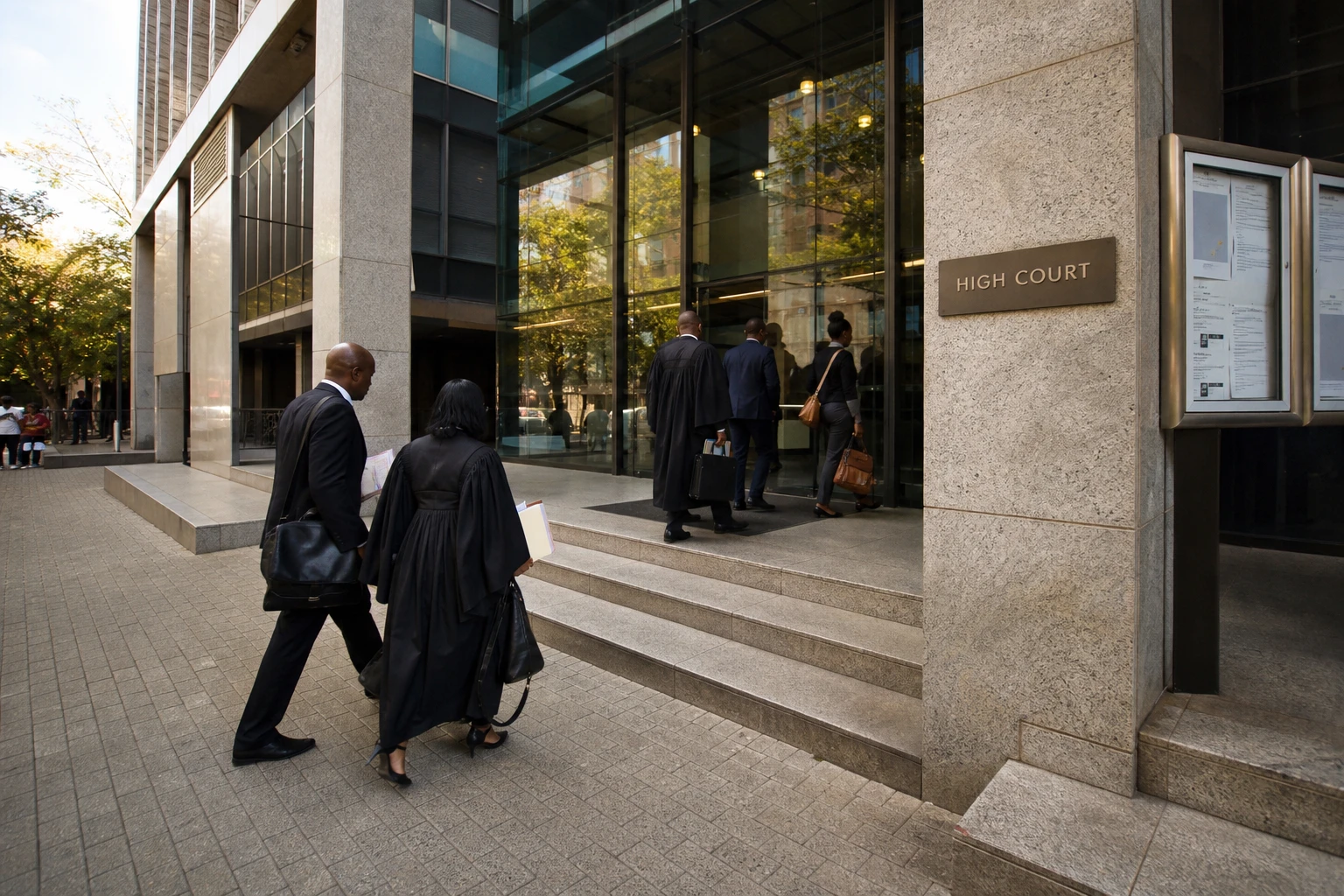
It is this legal framework that survivors and families are now challenging. Their case, backed by Lawyers for Human Rights and the law firm Leigh Day, seeks a ruling that the Act is incompatible with the post-apartheid Constitution, which came into force in 1996. The stakes are clear: if the legislation is struck down, the way could be open to a class action against the state and potentially to prosecutions of people still alive, if individual responsibility can be established.
Reparation, a blind spot in South Africa’s transition
The Sharpeville case is a reminder of a truth that is often overlooked: the end of a regime does not automatically undo what it destroyed. After 1994, South Africa did establish a transitional justice system through the Truth and Reconciliation Commission, tasked with documenting violations, hearing victims and recommending reparations. But the process mainly prioritised truth-seeking and, in some cases, conditional amnesty. It did not provide all victims with the criminal justice they had hoped for.
South African authorities acknowledge that the question of reparations remains open. In 2026, the Department of Justice said that 17,455 of the 21,676 victims identified by the TRC who had applied for a one-off reparation had received a grant of 30,000 rand, and that a public call was still inviting unregistered beneficiaries to come forward. The same department said that 560 victims recognised by the TRC had already received individual grants totalling about $31 million, or about £23 million, according to the conversion cited by the government.
But Sharpeville remains unique. Survivors believe their community has never received reparation commensurate with the trauma it suffered. In the local memorial park, 69 white pillars commemorate the dead; on the neighbourhood’s streets, infrastructure is deteriorating and homes inherited from the apartheid era often remain marked by urban poverty, ageing buildings and the slow erosion of services. The memory is honoured. Reconstruction, however, remains unfinished.
What this case could change beyond Sharpeville
The announced legal challenge has significance well beyond a single historic site. If the High Court accepts the plaintiffs’ argument, it could affirm that a law designed to protect the state under apartheid cannot remain intact in a constitutional order founded on dignity, equality and state accountability. That would send a strong signal for other cases relating to violations committed between 1960 and 1994, particularly those still stymied by the absence of prosecutions or by obstacles inherited from the former regime.
For the plaintiffs, the stakes are tangible: recognition, healthcare, support for families and the possibility of moving beyond the status of forgotten victims. For the state, the question is different. It must show that institutional continuity does not mean the continuation of impunity. Under South African law, pre-existing laws remain in force until they are repealed or amended; this is precisely the principle cited by Professor Frans Viljoen when he explains that a claim can be brought against the current state, even for past acts.
Across the continent, Sharpeville remains a touchstone. The date of 21 March gave rise to South Africa’s Human Rights Day and inspired the International Day for the Elimination of Racial Discrimination. The case is also a reminder that transitional justice is not just a commission, a ceremony or a memorial. It requires effective reparations, consistent laws and the political will to close a violent chapter without erasing it. In southern Africa, as elsewhere, that is often where the measure of democratisation is truly taken.



