Algeria
 Egypt
 Libya
 Morocco
 Sudan
 Tunisia
 Benin
 Burkina Faso
 Cabo Verde
 Côte d'Ivoire
 Ghana
 Guinea
 Guinea-Bissau
 Liberia
 Mali
 Mauritania
 Niger
 Nigeria
 Sierra Leone
 The Gambia
 Togo
 Cameroon
 Central African Republic
 Chad
 DR Congo
 Equatorial Guinea
 Gabon
 Republic of the Congo
 São Tomé and Príncipe
 Burundi
 Comoros
 Djibouti
 Eritrea
 Ethiopia
 Kenya
 Madagascar
 Malawi
 Mauritius
 Mozambique
 Rwanda
 Seychelles
 Somalia
 South Sudan
 Tanzania
 Uganda
 Angola
 Botswana
 Eswatini
 Lesotho
 Namibia
 South Africa
 Zambia
 Zimbabwe
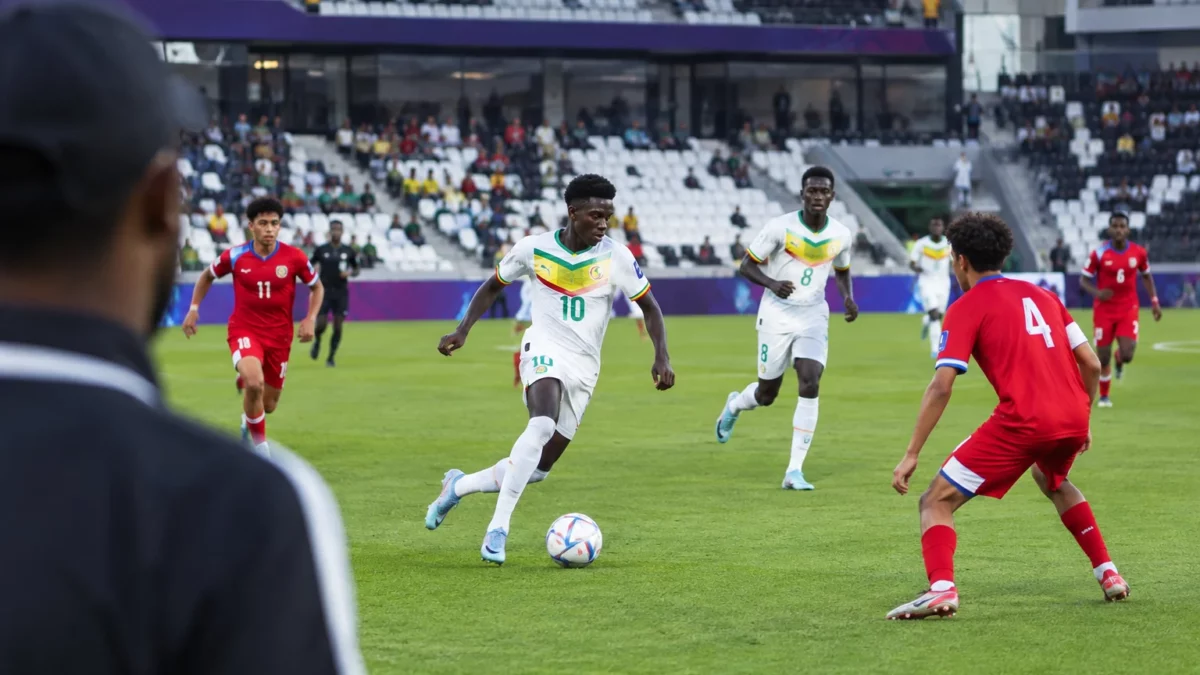
Nine goals in one match add lustre to a campaign, but do not yet secure a place in the next round. For Senegal’s young players, the victory over Cuba has turned a cautious start into a genuine race to qualify, ahead of a decisive final matchday in Group F.
Every point counts in Group F
The U17 World Cup is being played in Qatar, in a group featuring Senegal, Croatia, Cuba and Tajikistan. The Young Lions began with a 1-1 draw against the Croatians. The result left them with little room for error: a win had become important if they were to approach the next stage without relying on other teams.
The competition puts youth teams in the spotlight, but also tests their coaching staff: match preparation, management of key spells and the ability to respond after a tight opening result. Senegal, the reigning U17 African champions according to the Senegalese Press Agency, arrive with high expectations, although that status guarantees nothing on the pitch.
The tournament is taking place in Doha, far from the stands of Dakar and other regions of the country. The Young Lions’ performances are nevertheless being followed in Senegal and across the diaspora. At this age, they also offer a chance to observe the work of youth development and the progress of players expected to continue developing at clubs and in national teams.
A victory built in phases
On Monday 23 November 2026, Senegal beat Cuba 9-0 on the second matchday. The Senegalese had scored five goals before the break, then found the net four times in the second half. Ibrahima Dione scored twice, as did Sega Mbodji. Mouhamed Faye, Sidy Ndiaye, Ibrahima Konte, El Hadji Sow and Maurice Biaye also scored, according to the report by the Confederation of African Football.
The spread of goals shows that the threat did not come from a single player. According to CAF, the Senegalese exploited space and created multiple attacking options. The score alone, however, is not enough to measure how difficult the match was or predict the level of the next opponent.
After the draw against Croatia, the Young Lions had four points. The victory put them level on points with the Croatians at the top of the group, according to information available after the match. The standings could still change with the other group fixtures: provisional first place therefore did not mean automatic qualification.
Head coach Lamine Sané credited his team’s effectiveness to video analysis carried out beforehand. In remarks reported after the match, he said the players had understood which spaces to exploit and that he was pleased with their application. He also urged the group to maintain that level. These comments shed light on the preparation, but the sporting response will come in the final match.
Beyond the score, a test of youth development
A big win can boost a group’s confidence and give several forwards playing time. It can also change how opponents prepare for Senegal. For the coaching staff, the challenge will be to retain that effectiveness without mistaking a successful evening for a guarantee of success against a different opposition.
The result is also of interest to Senegalese football stakeholders following the young players’ progress: the federation, academies, clubs, families and coaches. An international competition exposes players to different tempos and styles. But collective performance alone does not indicate which careers will open up next. Progression to higher age groups will also depend on playing time, support and continuity in youth development.
At an African level, the Young Lions’ campaign is part of a broader presence of the continent’s national teams in Qatar. CAF also highlighted Mali’s win over Belgium and Morocco’s draw against China in its round-up of the matchday. These results show the variety of African teams’ trajectories in the tournament, rather than a uniform trend.
The final matchday will decide the teams’ ambitions
Senegal must now play its final group match against Tajikistan on 26 November. The match is set to determine the Young Lions’ final position and qualification route. The outcome will also depend on Croatia v Cuba and the tournament’s tie-break criteria.
For Senegal, the immediate objective is clear: to maintain their attacking control while remaining solid in a match that will not necessarily resemble the previous one. The win over Cuba brings a points advantage and renewed confidence. It is the next match, not the 9-0 scoreline, that will show whether this performance marks the start of a longer run.
The Senegalese Press Agency had confirmed the group composition, while Senegalese media, including Seneweb, also reported the score and the goalscorers.