Algeria
 Egypt
 Libya
 Morocco
 Sudan
 Tunisia
 Benin
 Burkina Faso
 Cabo Verde
 Côte d'Ivoire
 Ghana
 Guinea
 Guinea-Bissau
 Liberia
 Mali
 Mauritania
 Niger
 Nigeria
 Sierra Leone
 The Gambia
 Togo
 Cameroon
 Central African Republic
 Chad
 DR Congo
 Equatorial Guinea
 Gabon
 Republic of the Congo
 São Tomé and Príncipe
 Burundi
 Comoros
 Djibouti
 Eritrea
 Ethiopia
 Kenya
 Madagascar
 Malawi
 Mauritius
 Mozambique
 Rwanda
 Seychelles
 Somalia
 South Sudan
 Tanzania
 Uganda
 Angola
 Botswana
 Eswatini
 Lesotho
 Namibia
 South Africa
 Zambia
 Zimbabwe
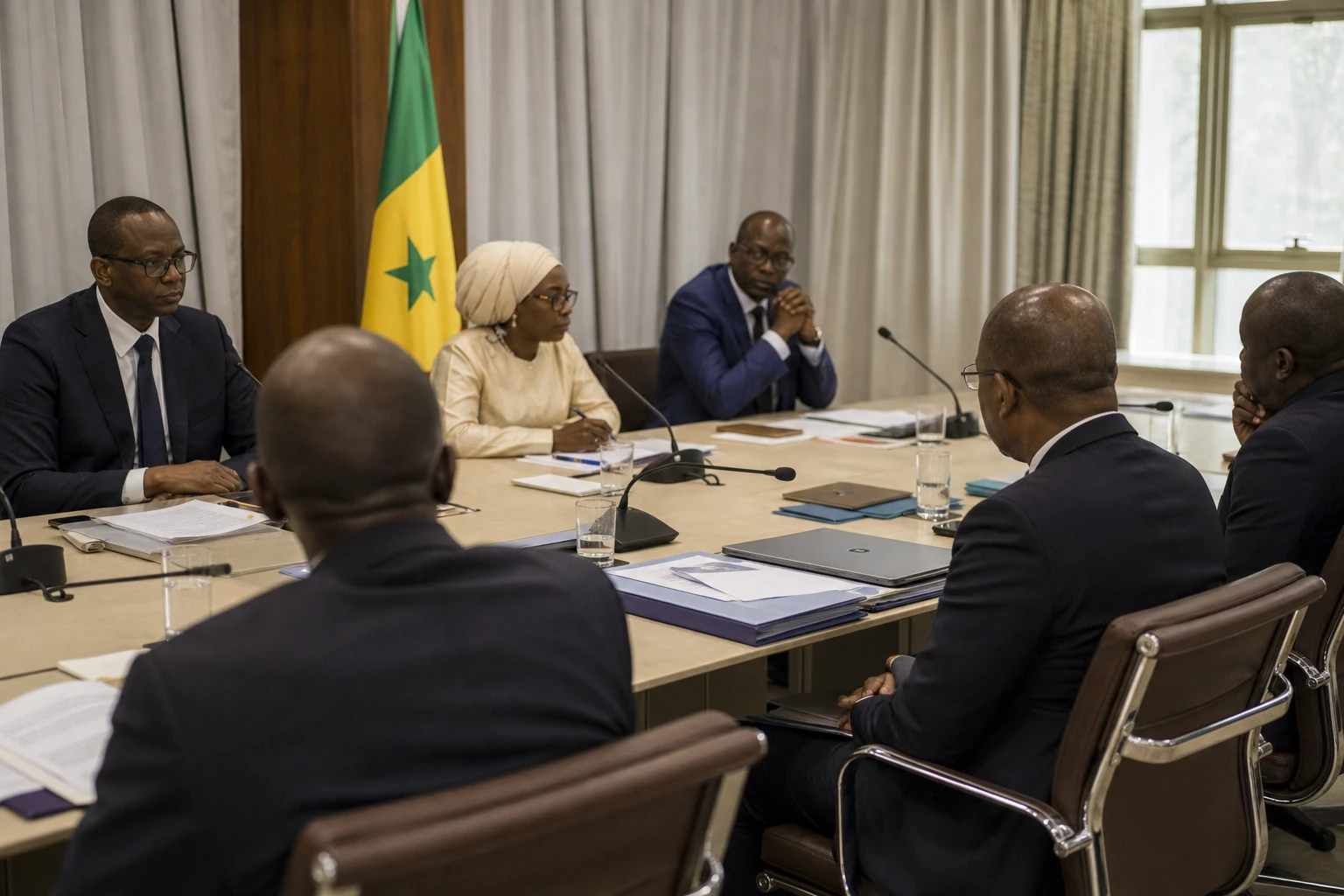
Reshaping debt without derailing the recovery
In Senegal, the question is no longer simply how much needs to be repaid. It has become broader: how to put debt on a sustainable path without turning off the tap on useful spending, in a country seeking both to reassure creditors and to fund public services while protecting the economic recovery. The issue is an immediate one for Dakar, but it also affects the whole of the WAEMU, where the regional securities market remains a major source of financing for governments.
The institutional framework is now clear. On 1 September 2026, Senegal’s Ministry of Economy, Finance and Planning launched its Senegal Debt Treatment Plan, presented as a sovereign initiative for active debt management. On the same day, the IMF announced a staff-level agreement on a 36-month programme worth about $2.2 billion, backed by the Extended Credit Facility. The agreement still needs approval in Washington, but it marks a decisive political step for Dakar.
What Dakar wants to renegotiate
The heart of the matter is the composition of the debt. The Senegalese authorities have chosen to address external debt first, particularly debt denominated in euros and dollars, through the G20 Common Framework, created in 2020 to provide a structure for debt restructurings in countries in difficulty. CFA franc debt, by contrast, remains outside the scope for now. This choice protects the WAEMU regional market, where Dakar continues to borrow, notably through Treasury bill and bond issues.
This distinction is strategic. Touching regional debt would weaken the local banking system and make it harder for Senegal to access the common public debt market. The Finance Ministry has also reiterated that the country remains active in this market, with a marked increase in fundraising in 2025 and 2026. The BCEAO, for its part, confirms that WAEMU countries raise significant amounts there at rates that vary according to sovereign credit ratings. Dakar is therefore seeking a delicate balance: easing external debt pressure without damaging its financial credibility in West Africa.
The discussions ahead will not be straightforward. Senegal faces a range of creditors: public institutions, eurobond holders and commercial banks. The authorities have spoken of reprofiling, in other words spreading out some repayments, but remain cautious about the possibility of reducing the principal owed. The IMF, meanwhile, is emphasising the restoration of debt sustainability and a programme that must also support budget reforms and transparency.
At the macroeconomic level, the government points to a resilient economy, with real GDP growth forecast by the IMF at 6.7% in 2025, driven by the expansion of the hydrocarbons sector. But this momentum still masks weaknesses. The public debt issue had already triggered a crisis of confidence in 2024, after undisclosed debts came to light and the previous IMF programme was suspended. The new financing framework must therefore restore both the accounts and credibility.
The political crux: protecting social spending
The most sensitive issue remains households. Cheikh Diba said the government wanted to reform electricity subsidies, which it considers costly and poorly targeted. The official rationale is precise: 65% of this support is said to benefit the wealthiest 20% of consumers. The government promises to redirect protection towards vulnerable households and essential uses, while announcing a target of cutting electricity costs by about 30%.
This reform could improve budget efficiency, but it will not be socially neutral. In Dakar and other urban centres, electricity weighs on the budgets of households, workshops, small shops and informal services. Better-targeted subsidies could free up resources for education, health, youth employment and social protection. But a poorly calibrated tariff increase would quickly hit low-income families and small businesses that live from day to day. This is the point on which the ruling majority, civil society and trade unions will closely watch what happens next.
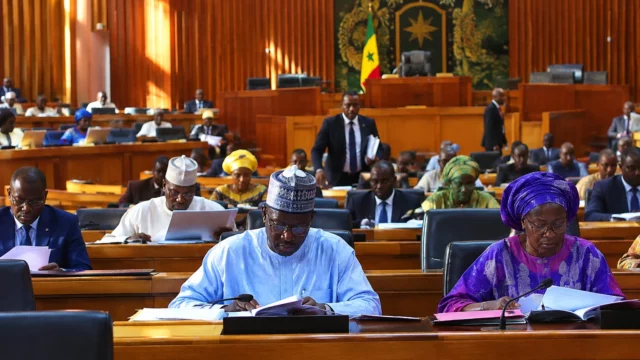
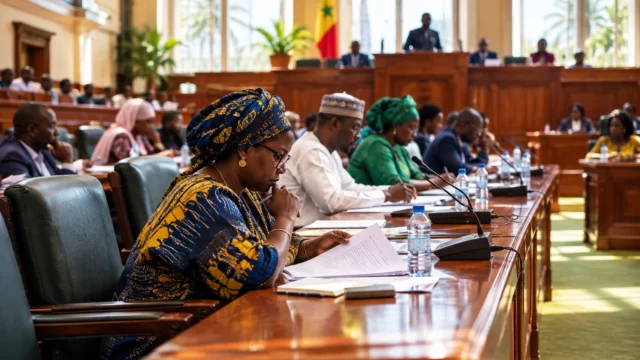
The government also says it will allocate CFA francs 300 billion to settling arrears owed to public companies, to prevent a domino effect on suppliers’ cash flow. This pledge matters to Senegal’s private sector, which is often exposed to late payments by the state. It also matters for tax revenues, since an administration that pays more promptly makes it easier to support formal economic activity. At the same time, the next general policy statement, expected before the National Assembly on Tuesday 8 September 2026, will need to spell out the trade-offs between budget consolidation, social spending and support for growth.
At the regional level, Senegal’s case extends beyond its national borders. It will test WAEMU’s ability to accommodate more complex debt management without destabilising its markets. It will also test the G20 Common Framework, often criticised for being slow but now presented as the standard channel for restructurings involving official and private creditors. If Dakar succeeds in easing its debt-service burden while protecting social investment, other African capitals facing the same dilemma will be watching closely: how to finance, reform and preserve social cohesion at the same time.