Algeria
 Egypt
 Libya
 Morocco
 Sudan
 Tunisia
 Benin
 Burkina Faso
 Cabo Verde
 Côte d'Ivoire
 Ghana
 Guinea
 Guinea-Bissau
 Liberia
 Mali
 Mauritania
 Niger
 Nigeria
 Sierra Leone
 The Gambia
 Togo
 Cameroon
 Central African Republic
 Chad
 DR Congo
 Equatorial Guinea
 Gabon
 Republic of the Congo
 São Tomé and Príncipe
 Burundi
 Comoros
 Djibouti
 Eritrea
 Ethiopia
 Kenya
 Madagascar
 Malawi
 Mauritius
 Mozambique
 Rwanda
 Seychelles
 Somalia
 South Sudan
 Tanzania
 Uganda
 Angola
 Botswana
 Eswatini
 Lesotho
 Namibia
 South Africa
 Zambia
 Zimbabwe
In Dakar, sport is part of a conversation that goes beyond the podiums: how can families receive useful information and services to protect mothers and children? On the eve of the Youth Olympic Games, a gathering highlighted athletes and African solutions as potential conduits, without replacing public policy.
Health joins the Games programme in Dakar
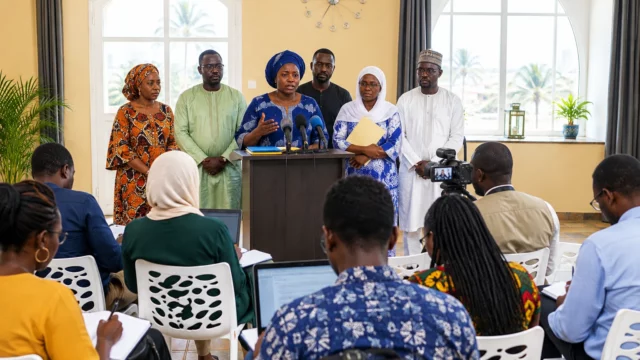
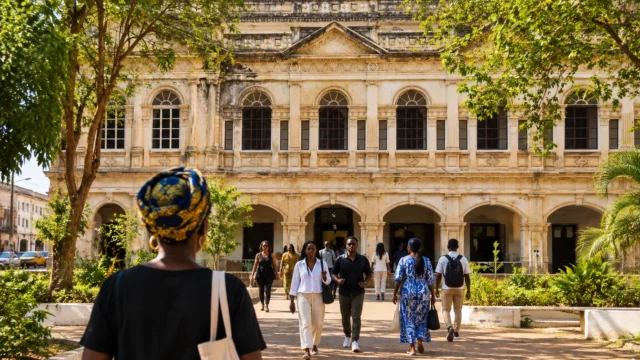
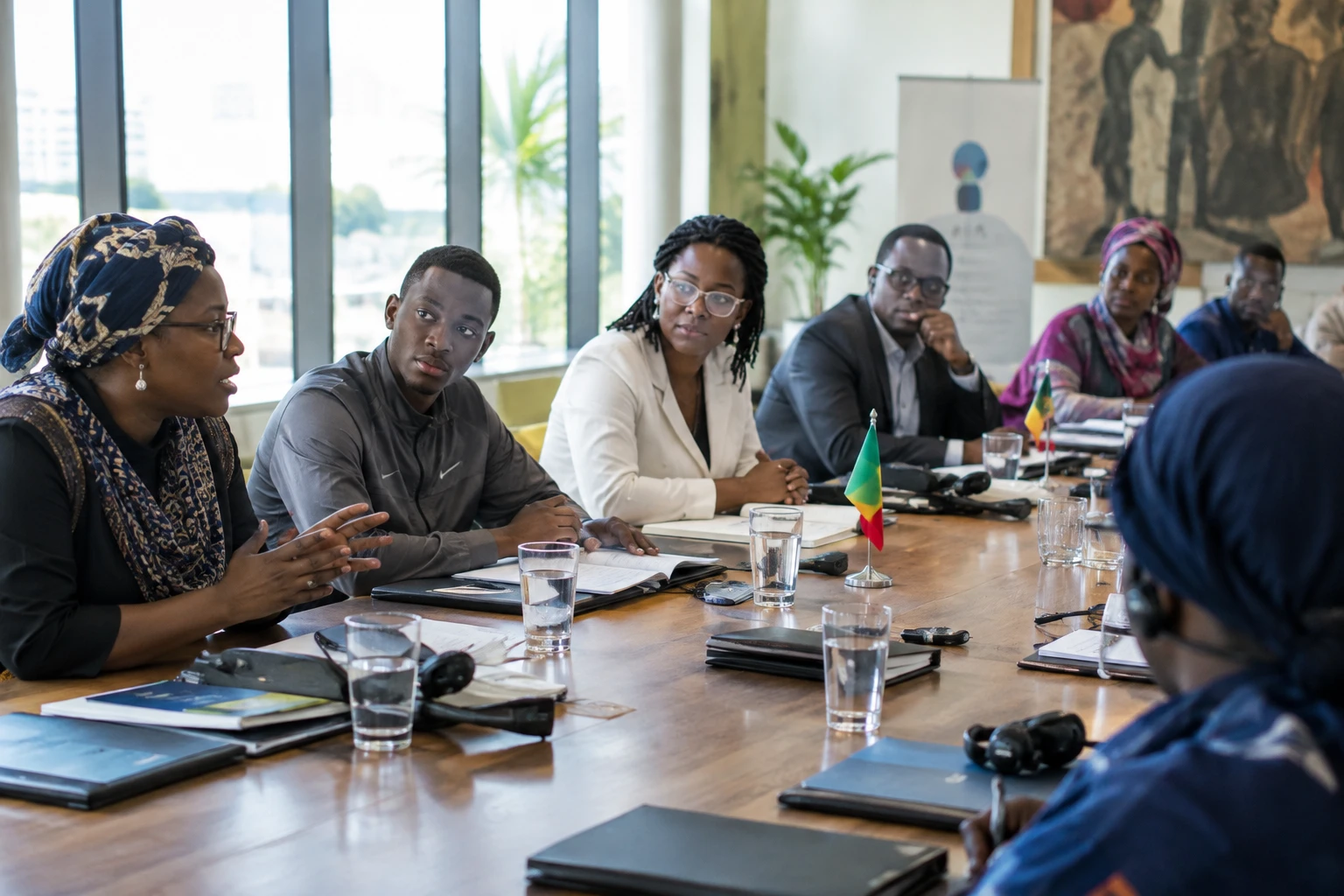
The forum was held on 30 October at the Museum of Black Civilisations, according to organisers cited in the available information. It brought together more than 200 people, including public officials, athletes, associations, entrepreneurs and development partners. The Africa Food Systems Forum (AFSF) organised it with the Gates Foundation, AGRA, Seed Academy and For Hope Africa.
The timing gives the initiative particular visibility. The Dakar Youth Olympic Games began on 31 October and run until 13 November 2026. They are the first Olympic sporting event to be held on the African continent. Competitions and activities are taking place in Dakar, Diamniadio and Saly. The official schedule for the Dakar 2026 Youth Olympic Games confirms these dates.
The forum’s message is simple: athletes’ prominence can help spread advice on nutrition, maternal and child health, and healthy lifestyles. But visibility cannot replace health centres, staff or access to care. Instead, it can direct families to existing services and make certain topics easier to discuss, particularly with young people.
National progress, persistent needs
The health of mothers and newborns remains a major issue in sub-Saharan Africa. At the forum, Caty Fall Sow of the Gates Foundation said that around 700 women die each day in the region during pregnancy or childbirth. This figure is attributed to her remarks: the material consulted here does not make it possible to independently verify it against a second specific source.
Senegal, meanwhile, has seen encouraging progress, but estimates should be compared with caution. The WHO reports that the maternal mortality ratio fell from 392 deaths per 100,000 live births in 2015 to 153 in 2023, in an article published in January 2026. Its global database, however, gives a different estimate for 2023: 237.4, with a wide uncertainty interval. The methods and data series are therefore not directly interchangeable. WHO Senegal sets out the national data series cited; the WHO database gives its estimate and interval.
These figures alone do not tell the story of women’s experiences. Access to consultations, the quality of care, the availability of obstetric services and distances to facilities also matter. Conditions vary between Dakar and other regions, as well as between households able to turn to private healthcare and those that rely on public services.
Food, agriculture and local solutions
Discussions linked health to food systems: in other words, all the stages involved in getting food from fields to plates. Ibrahima Hathie, a representative of the Ministry of Agriculture, emphasised research, seeds and the development of cereal, horticultural and livestock value chains. According to his remarks, these should be more productive, resilient to climate change and attentive to nutrition.
The connection is a practical one. The quality of people’s diets depends not only on the advice given to families, but also on the availability, price and preservation of products. Producers, traders and households do not all have the same resources. An awareness campaign therefore cannot achieve its full impact without affordable food and health services able to support women.
Six innovations developed by Africans were presented, according to the forum’s report. Their approaches range from digital monitoring to community support. Cameroonian Estella Bih-Neh presented mDoc, which supports women before and after pregnancy. In Nigeria, Crib A’Glow offers a foldable phototherapy cot for newborns with jaundice. Malian Mahamane Yahaya presented Denko Kunafoni, which provides advice, reminders and information in local languages.
The other projects address distinct needs. WobSongo, presented by Burkinabè Stéphanie Dominique Nama, aims to provide young people with information on sexual and reproductive health. In Rwanda, HEZA Initiative combines nutrition education, sustainable agriculture and chicken farming to support protein intake. Ghanaian Sophia Mensah Boduwah presented MOCHCare, a digital mother-and-child record with SMS and voice-message reminders.
These presentations point to a range of ideas, not yet evidence of impact at scale. To assess their reach, it will be necessary to know how they are being rolled out, their cost, their accessibility in different languages and their capacity to protect medical data. Digital tools can make follow-up easier, but their usefulness also depends on network coverage and access to phones.
Ambassadors, but also services that need strengthening
The organisers also announced the “Young Champions for Health” network. Athletes are expected to share messages in schools, clubs and communities. The approach could bring prevention closer to places young people frequent, provided the information is validated by health professionals and adapted to local realities.
For Senegal and its ECOWAS neighbours, the issue goes beyond the sporting event. Health campaigns, food supply chains and innovations cross borders. The initiative’s real impact, however, will be measured over time: whether activities continue after the Games, partnerships with health facilities, follow-up of young ambassadors and effective access to services. The challenge is to turn a moment of high visibility into lasting channels of support, without making athletes responsible for duties that belong to institutions.