Algeria
 Egypt
 Libya
 Morocco
 Sudan
 Tunisia
 Benin
 Cabo Verde
 Côte d'Ivoire
 Ghana
 Guinea
 Guinea-Bissau
 Liberia
 Mali
 Mauritania
 Niger
 Nigeria
 Senegal
 Sierra Leone
 The Gambia
 Togo
 Cameroon
 Central African Republic
 Chad
 DR Congo
 Equatorial Guinea
 Gabon
 Republic of the Congo
 São Tomé and Príncipe
 Burundi
 Comoros
 Djibouti
 Eritrea
 Ethiopia
 Kenya
 Madagascar
 Malawi
 Mauritius
 Mozambique
 Rwanda
 Seychelles
 Somalia
 South Sudan
 Tanzania
 Uganda
 Angola
 Botswana
 Eswatini
 Lesotho
 Namibia
 South Africa
 Zambia
 Zimbabwe
In Ouagadougou, young people no longer want merely to be invited to the debate; they want to shape the project
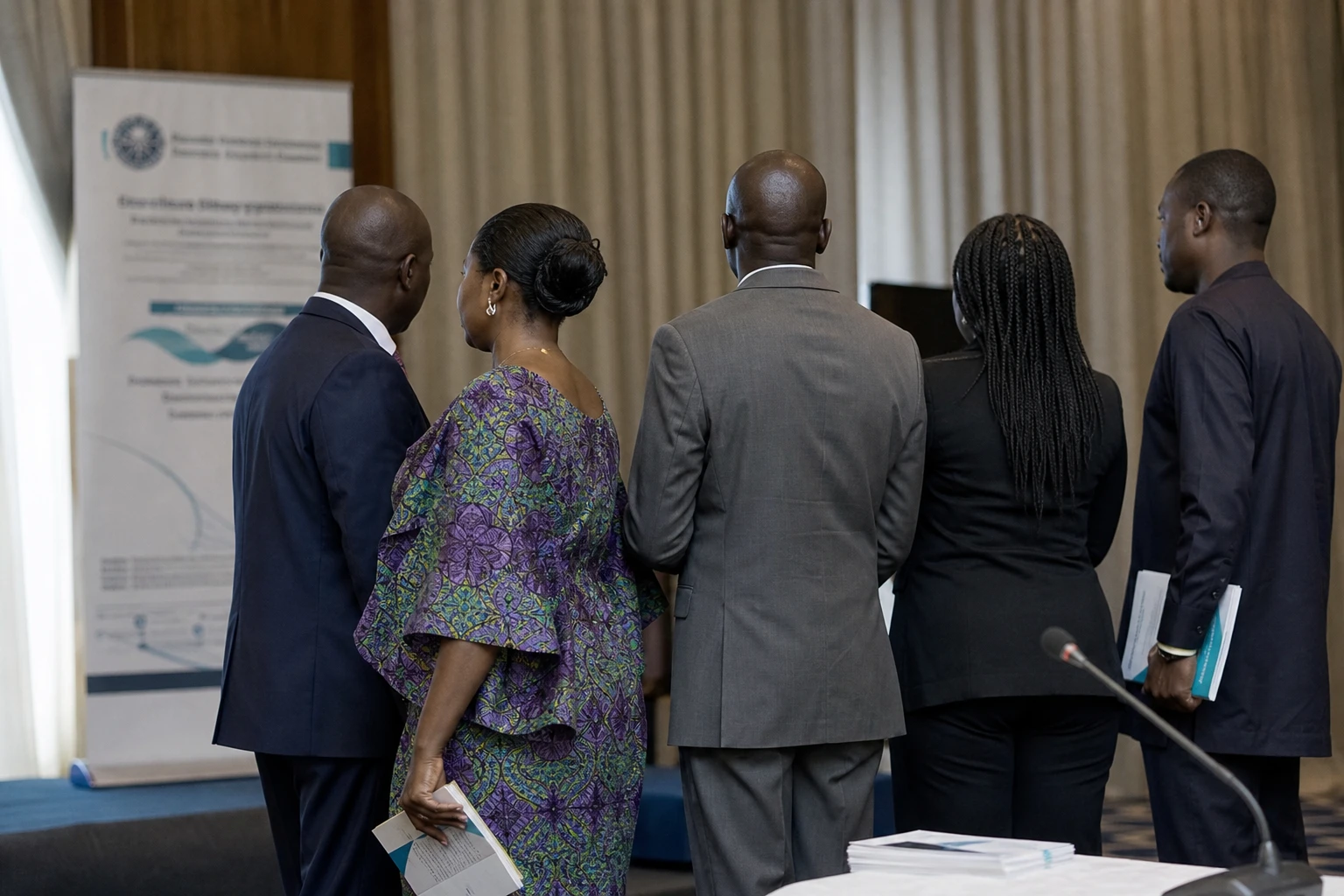
In Ouagadougou, talk of young people is taking a more practical turn this week. The first Confederal Forum on Youth and Volunteering of the Alliance of Sahel States (AES) brings together young people from Burkina Faso, Mali and Niger from 28 to 30 August 2026 around a word that carries weight: build. Organisers say around 300 delegates will take part in the proceedings, with more than 1,000 young people expected at the opening and closing ceremonies.
In a Sahelian region still dominated by security emergencies, the choice of volunteering is not insignificant. It signals a simple political intention: to give young people a visible, useful and measurable role, rather than reduce them to a group to be managed. In Burkina Faso, this ambition is also part of a national trajectory in which the state is expanding civic mobilisation and employment schemes.
A forum in the making since June, as the Confederation seeks ways of working
The Ouagadougou meeting did not come out of nowhere. In late June 2026, AES ministers and experts responsible for sport, youth and employment approved several operational documents. These included a memorandum of understanding on the Confederal Forum on Youth and Volunteering, another on the AES Games, a text on a Confederal Employment Fair and a concept note for a Youth and Sports Development Centre.
This institutional sequence matters. It shows that the AES does not want to limit itself to a diplomatic or security architecture. Since Burkina Faso, Mali and Niger signed the confederal treaty, the grouping has also been seeking social instruments capable of giving integration substance. The authorities of the three countries regularly make this point, including before international bodies.
The Ouagadougou forum is therefore part of a broader effort to consolidate the grouping. It follows other meetings already held in the Sahel, notably the first AES Youth Forum in Niamey in June 2025, which also focused on integration and the role of young people in regional renewal.
Political statements, but also very practical projects
At the opening of the proceedings, Niger’s minister responsible for youth, Sidi Mohamed Almahmoud, called for the historic ties between the peoples of the Sahel to be turned into joint action. His Malian counterpart, Abdoul Kassim Fomba, emphasised social cohesion and the fight against violence. Their remarks point to a shared idea: in a region weakened by insecurity, young people are also seen as a source of stability.
For Burkina Faso, the minister for sport, youth and employment, Annick Lydie Djouma Pikbougoum/Zingué Ouattara, placed the issue at community level. In her view, consolidating the Confederation depends not only on leaders’ decisions, but also on daily engagement in schools, universities, businesses, associations and neighbourhoods. This view is consistent with the approach she has championed since taking up her post in Ouagadougou in January 2026.
The focus on volunteering also gives the forum practical substance. Burkina Faso already has the National Volunteer Programme in Burkina Faso as a public scheme for civic engagement and employment support. The question now is whether this experience can inspire a joint approach across the three countries, with opportunities for young volunteers, exchanges of experience and, eventually, harmonised schemes.
This is no minor point. In countries where most of the population is young and access to formal employment remains limited, volunteering can serve as a stepping stone. It is no substitute for an employment policy. But it can provide experience, networks, local public service and an initial form of social recognition. It is precisely this kind of bridge that the AES is seeking to build through the announced Employment Fair, Games and Development Centre.
What Burkina Faso wants to show, and what the region is watching
For Burkina Faso, hosting this first forum has clear political significance. Ouagadougou wants to be seen as a driving force within the Confederation, as the AES seeks to fill the space left by its break with ECOWAS, which took effect on 29 January 2025. The withdrawal has reshaped West African relations and forced the three states to devise other frameworks for cooperation.
The regional significance therefore extends beyond the forum itself. If young people across the Sahel can make joint programmes work, the AES will be able to point to integration from the ground up, more tangible than grand declarations. If, by contrast, these announcements come to nothing, the Confederation risks appearing to be a project driven mainly by summit meetings. That is the challenge: moving from sovereignty rhetoric to lasting mechanisms for mobility, volunteering, training and employment.
In practice, young people in Burkina Faso, Mali and Niger do not share the same realities, but they face similar constraints: unemployment, insecurity, migration pressures, fragile public services and a need for concrete opportunities. That is why volunteering could appeal both in urban centres, where graduates are looking for their first jobs, and in rural areas, where community action is often the first level of engagement.
What happens next will depend on the AES’s ability to turn this momentum into a timetable, a budget and institutions. After Ouagadougou, it remains to be seen whether the Games, the youth centre and the Employment Fair will move forward at the same pace. Only then will the Confederation be able to offer its young people more than words: a real role in building a shared Sahelian space.